
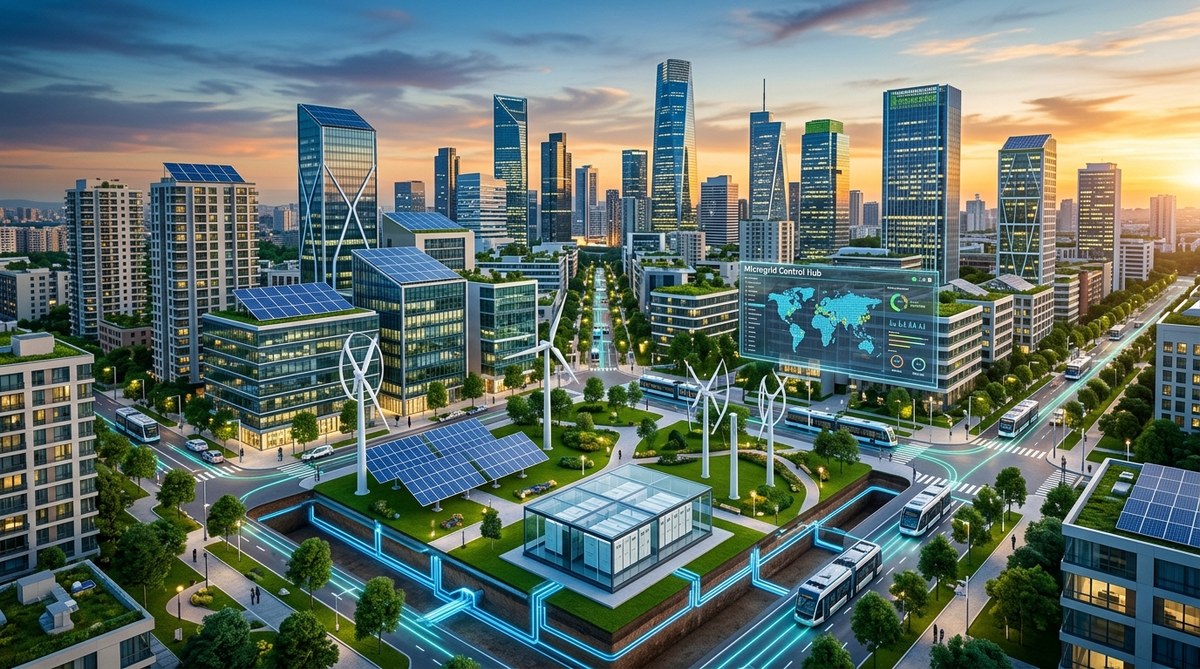
The way we power our cities is changing. Not slowly, not someday, but right now in 2026. The old model of a single, centralized grid sending electricity from far away is giving way to something more local, more resilient, and much smarter. Renewable energy microgrids are at the heart of this shift. They let neighborhoods, business districts, and even whole city blocks generate, store, and manage their own power using solar, wind, and battery storage. For urban planners and policy makers, the question is no longer whether to include microgrids in smart city plans. The question is how to do it well, at scale, without getting tangled in complexity.
Integrating renewable energy microgrids into smart city planning requires a shift from centralized grids to localized, resilient systems. This guide covers the essential steps: site assessment, stakeholder alignment, technology selection, and policy navigation. Urban planners in 2026 are using solar, battery storage, and AI-powered management to create energy-independent neighborhoods. Learn the frameworks, avoid common pitfalls, and see how cities are making microgrids a core part of sustainable urban development.
Why Microgrids and Smart Cities Belong Together
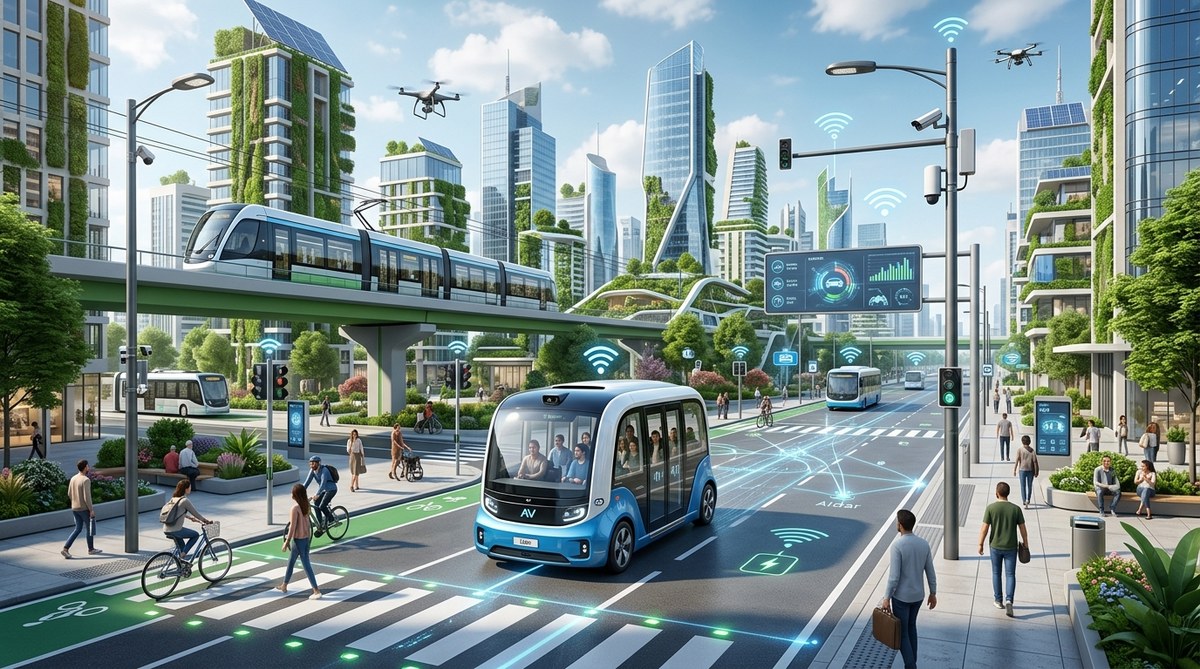
A smart city runs on data. Sensors, traffic lights, building management systems, public transit, all of them depend on reliable electricity. But the traditional grid was never designed for the two-way flow of energy that modern renewables require. It was built for one direction: power plant to home. Microgrids flip that model.
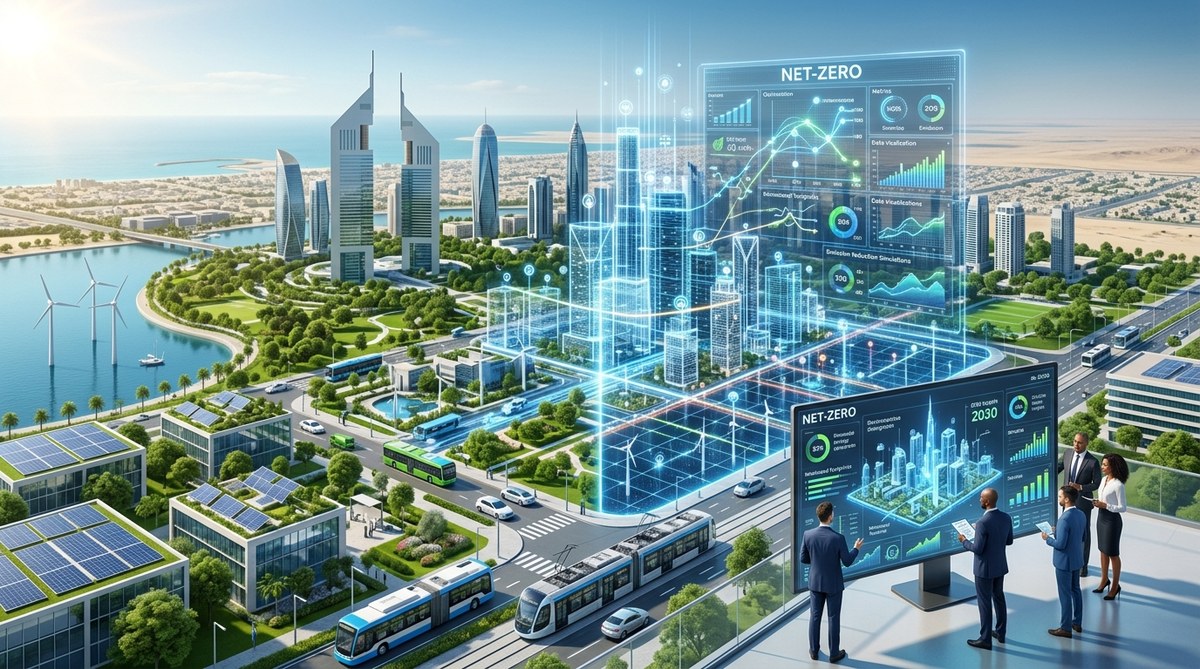
A microgrid is a local energy system that can disconnect from the main grid and operate independently. When it runs on renewable sources like rooftop solar or community wind turbines, it becomes a clean, self-sufficient power hub. Pair that with smart city infrastructure, and you get real time optimization. The microgrid talks to the buildings. The buildings talk to the grid operator. Everyone adjusts based on demand, weather, and price signals.
This is what makes the combination so powerful. Renewable energy microgrids give smart cities the muscle to actually meet climate goals while keeping the lights on during storms, heatwaves, or grid failures. And in 2026, with extreme weather events becoming more common, that resilience is non-negotiable.
A Practical Framework for Planning Renewable Microgrids
Integrating microgrids into a city plan is not a plug and play exercise. It requires a thoughtful, step by step process. Here is a framework that works for urban planners, energy policy makers, and smart city researchers.
-
Map the energy landscape of each district. Start with data. What are the current load profiles for different neighborhoods? Where are the largest energy consumers? Which areas have the best solar exposure or wind potential? Use building permits, utility data, and satellite imagery to build a baseline. Without this map, you are planning blind.
-
Identify anchor sites and early adopters. Not every block needs a microgrid on day one. Look for sites where the business case is strongest: hospitals, universities, transit hubs, municipal buildings, and new residential developments. These anchor sites can serve as demonstration projects that prove the model and attract private investment.
-
Align stakeholders early and often. Microgrids sit at the intersection of public utilities, private developers, technology vendors, and community groups. Each group has different priorities. Utilities care about grid stability. Developers care about cost. Communities care about equity and reliability. Hold joint workshops, share data transparently, and create a governance model that gives everyone a seat at the table. For more on how to bring these groups together, see innovative strategies for building smarter urban infrastructure.
-
Choose the right technology stack. The hardware matters: solar panels, battery systems, inverters, and switchgear. But the software matters just as much. A microgrid needs an intelligent energy management system that can forecast demand, optimize storage dispatch, and communicate with the main grid. Look for systems that use open standards so they can integrate with other smart city platforms.
-
Design for policy and regulatory alignment. Every city has different rules around net metering, interconnection, and utility franchise agreements. Work with your legal and policy teams early to understand the barriers. Some cities in 2026 have created special microgrid zones with streamlined permitting. Others have established green banks to finance community projects. Learn from those examples and adapt them to your context.
-
Plan for monitoring and continuous improvement. A microgrid is not a set it and forget it asset. Deploy sensors and analytics dashboards that track performance in real time. Use that data to adjust operations, identify maintenance needs, and prove the value to stakeholders. This is where smart city infrastructure really shines. For a deeper look at using data to improve urban systems, check out harnessing data analytics to transform urban living in smart cities.
Key Technologies Powering Urban Microgrids in 2026
The tools available for microgrid planning have matured significantly. Here is a breakdown of the core technologies and the common missteps that planners make when adopting them.
| Technology | Best Practice | Common Mistake |
|---|---|---|
| Solar photovoltaics | Pair with local battery storage to shift evening peak load | Installing panels without storage, then exporting at low value times |
| Battery energy storage | Size for 2 to 4 hours of critical load, not full building backup | Oversizing batteries without analyzing actual outage patterns |
| AI powered load forecasting | Train models on at least 12 months of local weather and usage data | Using generic models that miss neighborhood specific demand signals |
| Peer to peer energy trading | Start with a pilot in a single block or condo association | Trying to scale trading before utility regulations are resolved |
| Electric vehicle integration | Use EV batteries as distributed storage through bidirectional chargers | Ignoring the impact of uncontrolled EV charging on microgrid stability |
| Smart inverters | Specify grid forming inverters for island mode operation | Using standard grid following inverters that cannot support standalone operation |
Common Pitfalls and How to Avoid Them
Even the best plans hit snags. Here are the most frequent challenges urban planners face when integrating renewable energy microgrids into smart city development, along with ways to navigate them.
-
Treating microgrids as purely technical projects. The biggest failures are almost never about the hardware. They are about governance, finance, and community buy in. A microgrid that works technically but lacks a clear ownership model or a fair pricing structure will struggle to gain traction. Invest as much in the social and economic design as you do in the engineering.
-
Underestimating interconnection timelines. Connecting a microgrid to the main utility grid can take 12 to 24 months in some jurisdictions. That timeline often catches planners off guard. Start the interconnection application as soon as you have a preliminary design. Build buffer time into your project schedule.
-
Forgetting about data security. A smart microgrid is a digital microgrid. That means it is vulnerable to cyber attacks. Include cybersecurity requirements in your procurement specifications. Require encryption, regular penetration testing, and incident response plans from your vendors.
-
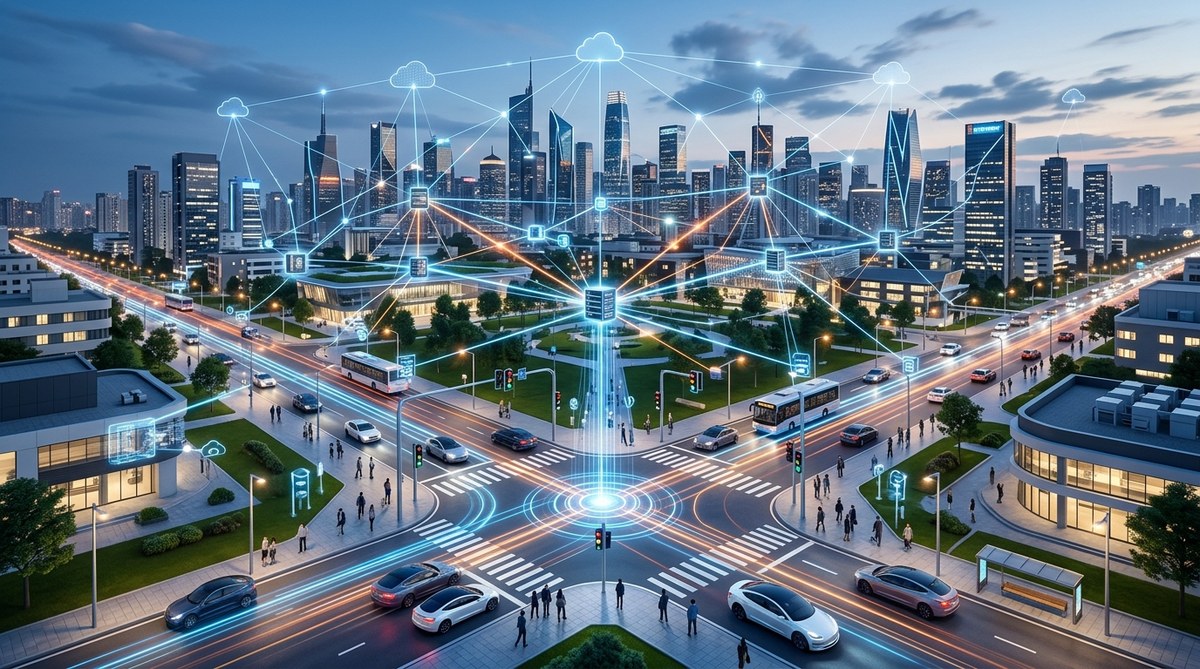
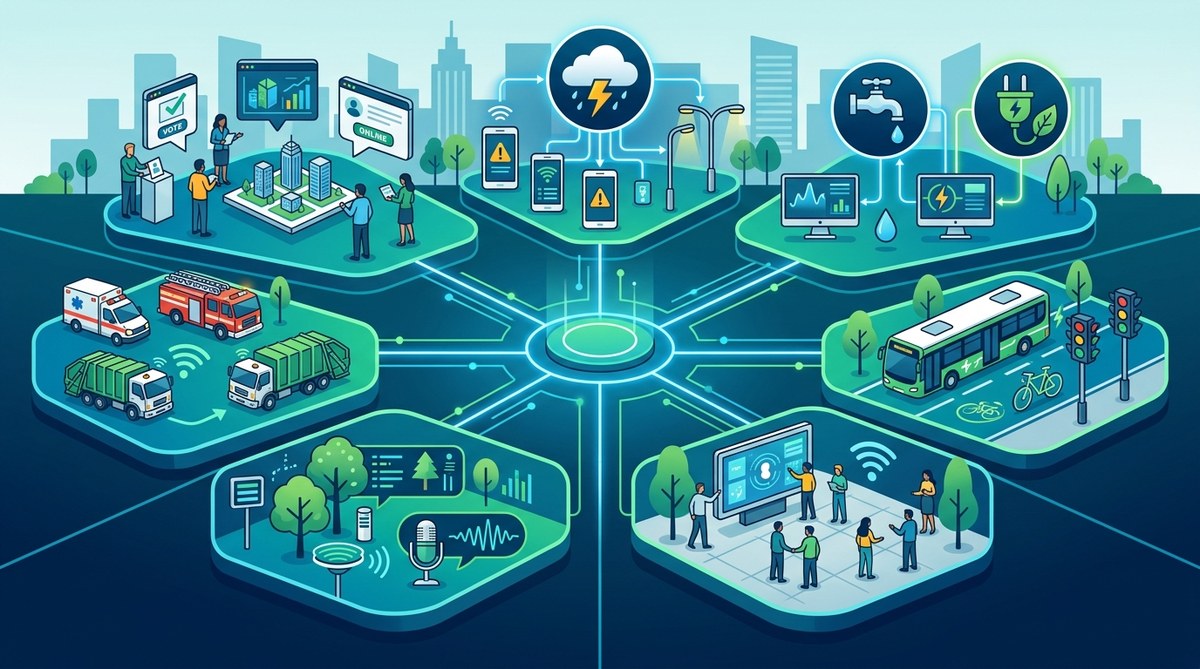
Designing in isolation from other city systems. A microgrid should not be a standalone project. It should connect to the city’s broader smart infrastructure: traffic management, building automation, water systems, and emergency response. When these systems share data, the whole city operates more efficiently. For ideas on how to create those connections, look at smart urban solutions transforming cityscapes of the future.
“The cities that get microgrids right are the ones that stop treating energy as a utility issue and start treating it as a land use and community development issue. Microgrids are infrastructure, yes. But they are also neighborhood assets. Plan them that way.”
Dr. Elena Vasquez, Director of Urban Energy Systems at the Institute for Sustainable Cities
Real World Momentum in 2026
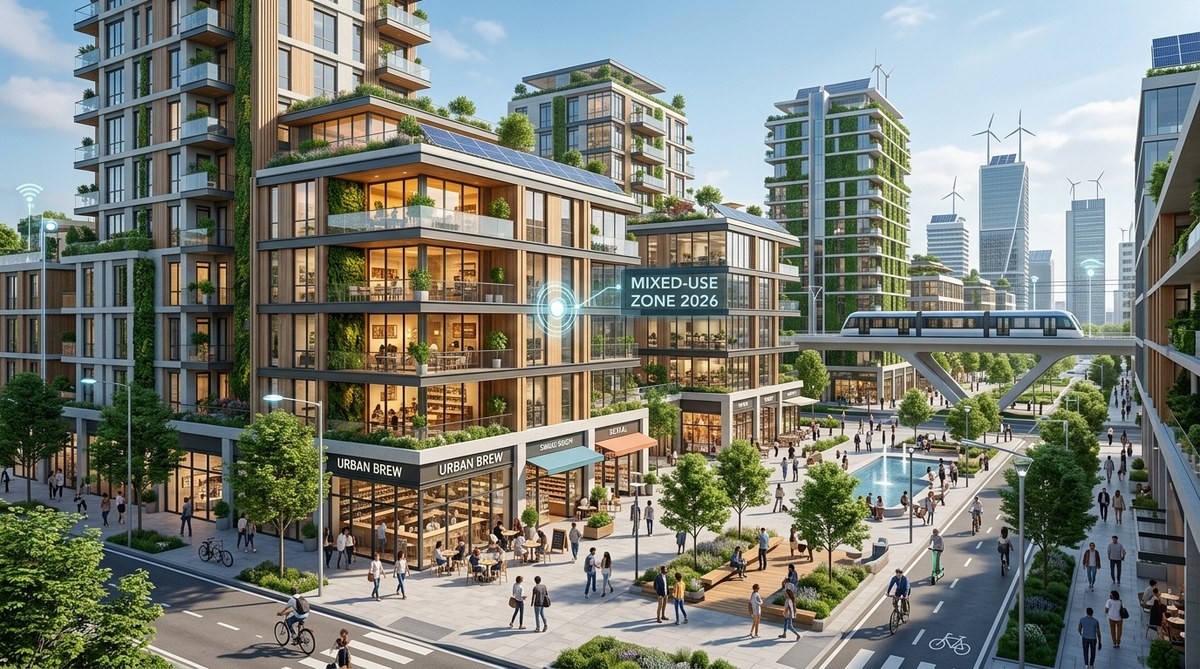
Around the country and around the world, cities are putting these principles into practice. In Austin, Texas, a new mixed use district called the Eastside Energy Corridor is being built with a shared microgrid that serves residential towers, retail spaces, and a light rail stop. Solar panels cover every roof. Battery storage sits in the basement of the parking garage. The system is managed by an AI platform that predicts each day’s energy needs based on weather forecasts, event schedules, and historical usage.
In Philadelphia, a group of five public schools in the same neighborhood banded together to create a community microgrid. The schools share rooftop solar and a single large battery. During a grid outage, the microgrid keeps the lights on for the schools, which serve as emergency shelters. During normal operation, the schools sell excess power back to the grid and use the revenue to fund educational programs.
These examples show a pattern. Successful microgrids start with a clear use case, involve multiple stakeholders from the beginning, and use data to prove their value. They do not try to boil the ocean. They start small, learn, and scale.
For planners looking at the bigger picture, it helps to understand how microgrids fit into the broader trend of the future of green urban development: trends and technologies to watch. The same forces that are pushing cities toward renewable energy are also reshaping transportation, water management, and building design.
Building Energy Independence Into the Urban Fabric
This is the deeper opportunity. Renewable energy microgrids are not just about backup power or carbon reduction. They are about giving cities more control over their own future. When a district can generate, store, and manage its own energy, it becomes less vulnerable to price spikes, grid failures, and supply disruptions. That independence is a form of resilience that pays dividends for decades.
The smart city of 2026 is not a single master plan. It is a network of interconnected systems, each one learning and adapting. Microgrids are one of the most tangible examples of that vision in action. They sit at the intersection of clean energy, digital intelligence, and community design. For urban planners, energy policy makers, and researchers, they represent one of the highest leverage investments you can make.
Start with a single district. Map the loads. Find the anchor partner. Build the coalition. Pick the technology. Navigate the policy. Learn from the data. Then do it again in the next neighborhood. That is how you turn a smart city concept into a lived reality.
For a broader view on how renewable energy fits into city ecosystems, take a look at integrating renewable energy solutions to create sustainable urban ecosystems. The future of urban living depends on the choices we make today. And the good news is, the tools are ready. The frameworks exist. The only thing left is the will to build them.


Leave a Reply