
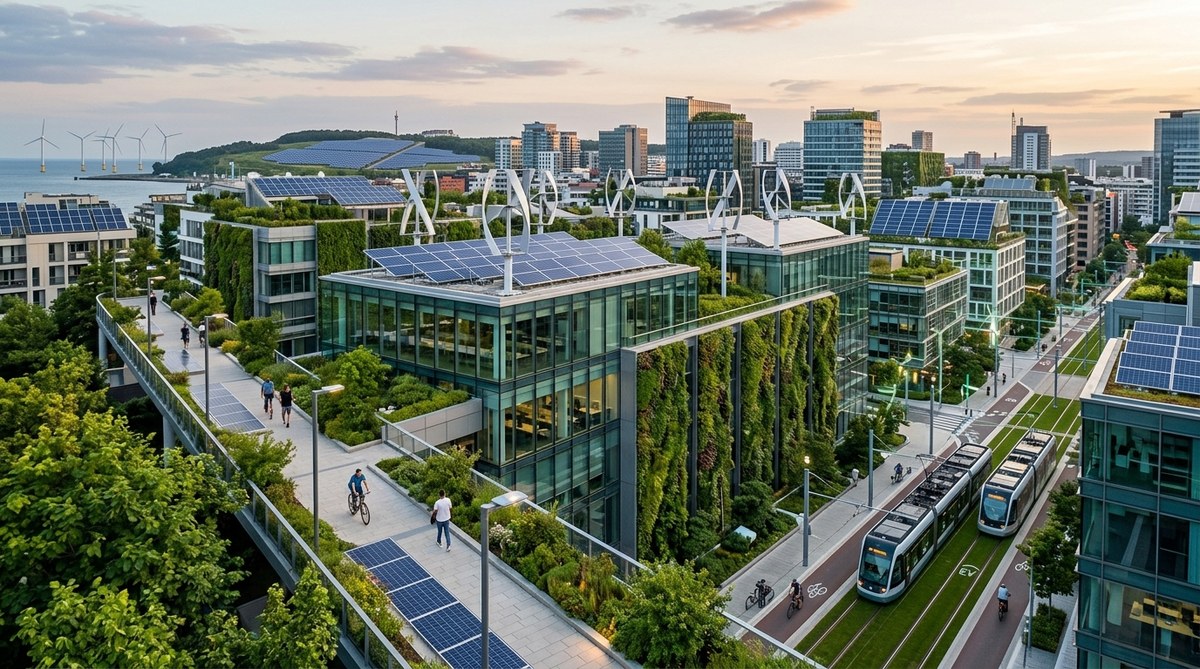
Urban centers are rapidly expanding, and the pressure to create resilient, eco-friendly cities has never been greater. Integrating renewable energy solutions in urban areas is key to building sustainable urban ecosystems. It’s not just about installing solar panels or wind turbines. It involves a holistic approach that combines innovative technology, thoughtful planning, and community engagement. Cities that harness renewable energy can reduce carbon footprints, improve air quality, and increase energy resilience. This guide explores practical strategies, real-world examples, and expert insights to help urban planners and policymakers make renewable energy a core part of city development.
Integrating renewable energy solutions in urban areas is vital for sustainable development. Combining innovative tech, strategic planning, and community support can transform cities into resilient, eco-friendly habitats for future generations.
Why integrating renewable energy in urban environments matters
Cities are responsible for a significant share of global greenhouse gas emissions. They also face challenges like space constraints, aging infrastructure, and regulatory hurdles. Incorporating renewable energy sources like solar, wind, and geothermal into urban planning offers multiple benefits:
- Reduced carbon emissions and improved air quality.
- Increased energy resilience during disruptions or peak demands.
- Economic advantages through job creation and energy savings.
- Enhanced urban livability with cleaner, quieter infrastructure.
The shift towards renewable energy is essential for meeting climate goals and ensuring urban sustainability. But how can cities effectively embed these solutions into their existing fabric?
Practical steps for urban renewable energy integration
Implementing renewable energy in cities involves a clear, phased approach. Here are three key steps to guide the process:
-
Assess urban energy needs and potentials
Conduct thorough evaluations of current energy consumption patterns and identify available resources. Use tools like geographic information systems (GIS) to map solar exposure, wind corridors, and geothermal opportunities. This helps pinpoint where renewable solutions are most feasible and effective. -
Design and plan integrated systems
Develop a comprehensive plan that incorporates renewable sources into existing infrastructure. Think building-mounted solar panels, solar canopies in parking lots, or small wind turbines on rooftops. Use innovative techniques such as building-integrated photovoltaics (BIPV) which replace traditional building materials with solar elements. Planning must also consider grid integration and storage options to balance supply and demand. -
Engage stakeholders and secure support
Collaboration is vital. Work with local governments, utility companies, community groups, and developers. Educate residents on the benefits of renewable energy and involve them in decision-making processes. Policy incentives, financial grants, and public-private partnerships can accelerate adoption.
Key techniques and common mistakes
| Techniques | Common mistakes |
|---|---|
| Installing solar panels on rooftops with high sun exposure | Overlooking shading or structural limitations |
| Incorporating building-integrated photovoltaics | Ignoring building aesthetics or zoning restrictions |
| Utilizing wind turbines in city outskirts | Installing turbines without proper wind assessments |
| Developing community solar projects | Failing to involve local residents or provide equitable access |
| Applying energy storage solutions | Underestimating costs or technical challenges of storage |
Innovative approaches that are shaping urban renewable energy
Cities are experimenting with various innovative solutions to maximize renewable integration:
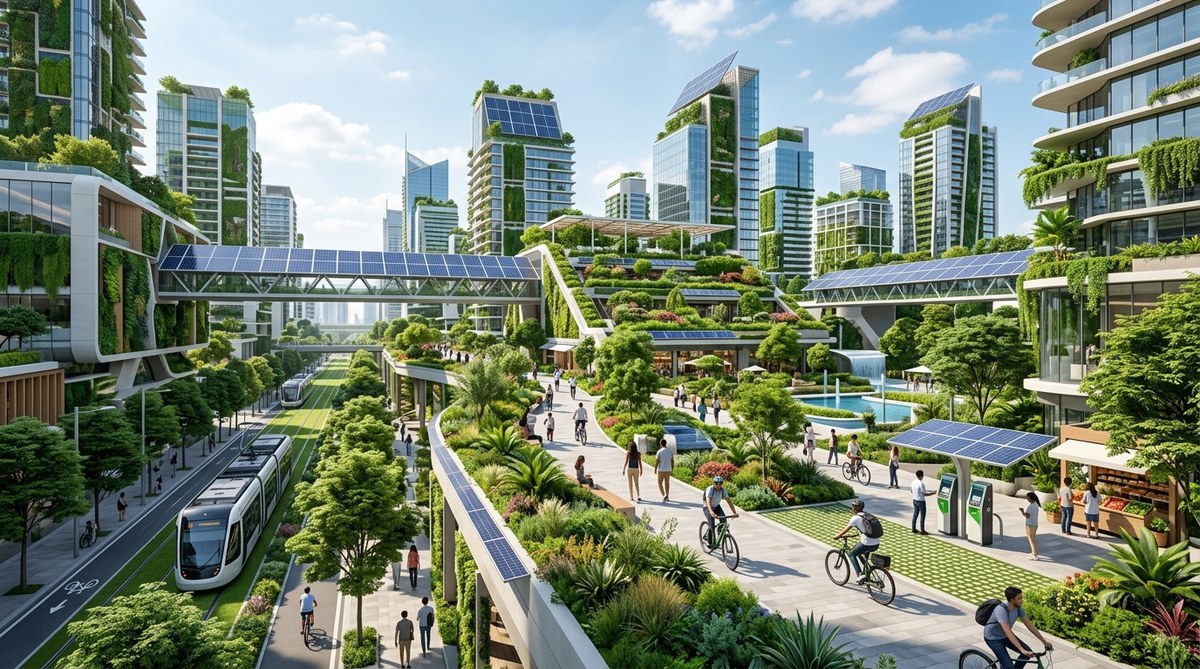
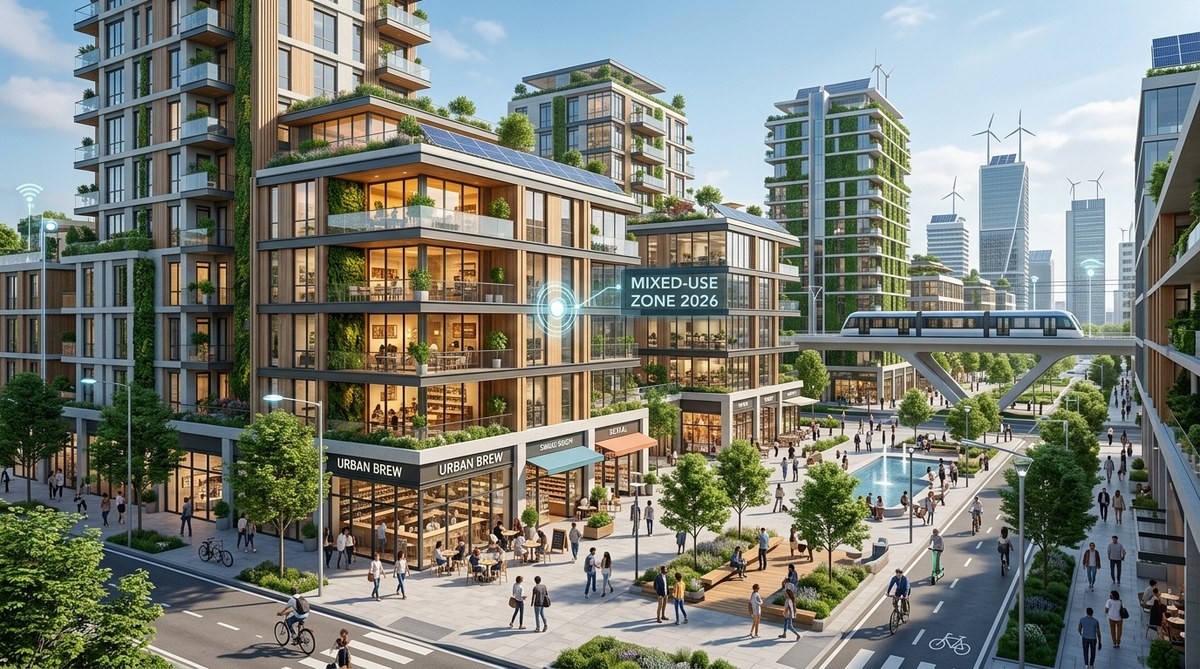
- Green roofs and facades: Combining insulation with solar panels, these spaces improve building efficiency while generating power.
- Microgrids: Localized grids that operate independently, enhancing resilience and enabling renewable sources to power neighborhoods.
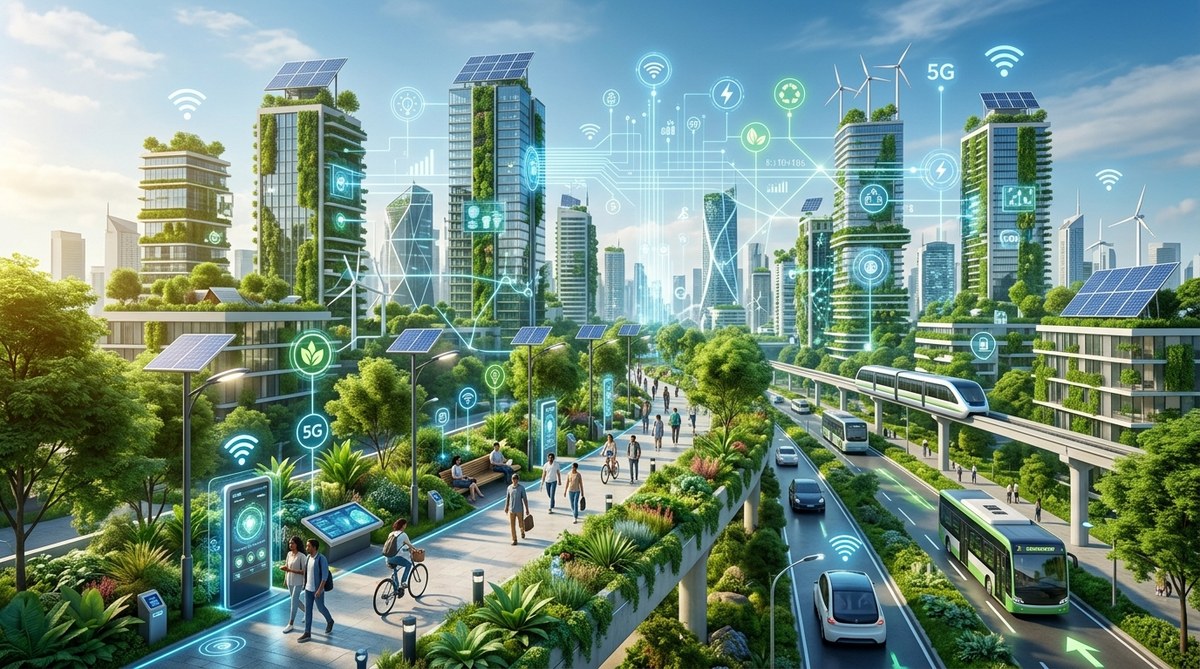
- Smart grid technology: Using real-time data and automation to optimize energy flow and reduce waste.
- Utilizing public spaces: Installing solar canopies at bus stops or parks to generate energy while serving community needs.
“A successful renewable energy integration in urban areas requires a mix of technological innovation and community participation,” shares Dr. Lisa Chen, an urban sustainability researcher. “Smart planning ensures that renewable solutions are not just add-ons but integral to urban growth.”
Addressing challenges and avoiding pitfalls
While integrating renewable energy offers many benefits, cities face hurdles such as high upfront costs, space limitations, and regulatory barriers. Here’s how to navigate them:
- Financial incentives: Seek grants, subsidies, and favorable loan programs to lower initial investments.
- Policy frameworks: Develop clear policies that encourage renewable projects and streamline approvals.
- Community involvement: Engage residents early to build support and ensure equitable access.
- Technology selection: Choose proven, adaptable solutions suited to local conditions to minimize risks.
Common mistakes to avoid:
- Underestimating maintenance costs of renewable systems.
- Overlooking the importance of energy storage and grid capacity.
- Failing to integrate renewable planning into broader urban development strategies.
- Ignoring the social dimension—public buy-in is critical.
Lessons from cities leading the way
Several cities worldwide exemplify successful integration of renewable energy:
- Freiburg, Germany: Known for its solar-friendly policies and community solar projects, Freiburg has transformed its urban landscape into a renewable showcase.
- Masdar City, UAE: A planned eco-city powered primarily by renewable sources, with innovative transportation and building designs.
- San Diego, USA: Its aggressive rooftop solar programs and microgrid initiatives make it a leader in urban renewable energy.
These examples reinforce that strategic planning, community engagement, and policy support are vital. Incorporating renewable energy solutions often sparks broader urban sustainability initiatives, creating ripple effects that benefit entire communities.
Looking ahead: Building cities that breathe green
The future of urban development hinges on the ability to seamlessly weave renewable energy into the city fabric. Continuous technological advances, increasing policy support, and rising public awareness make this an achievable goal. Cities that prioritize integrating renewable solutions will stand out as resilient, healthy, and vibrant places to live.
Remember, successful integration is not about one-size-fits-all solutions. It requires tailored approaches that respect local contexts, resources, and community needs. Start by assessing your city’s unique opportunities, involve stakeholders early, and embrace innovative techniques.
Harnessing renewable energy in urban environments is a powerful way to shape sustainable, livable cities for generations to come. Take the first step today and build a future where cities thrive in harmony with nature.
Embracing the shift towards green urban ecosystems
As urban areas evolve, integrating renewable energy solutions becomes a cornerstone of sustainable living. By combining smart planning, cutting-edge technology, and active community participation, cities can reduce their environmental impact while boosting resilience and quality of life. The journey toward greener, smarter cities is ongoing, but every step taken today contributes to a healthier planet tomorrow. Urban planners and policymakers are encouraged to innovate boldly and think holistically, ensuring that renewable energy becomes an inseparable part of urban life.

Leave a Reply