
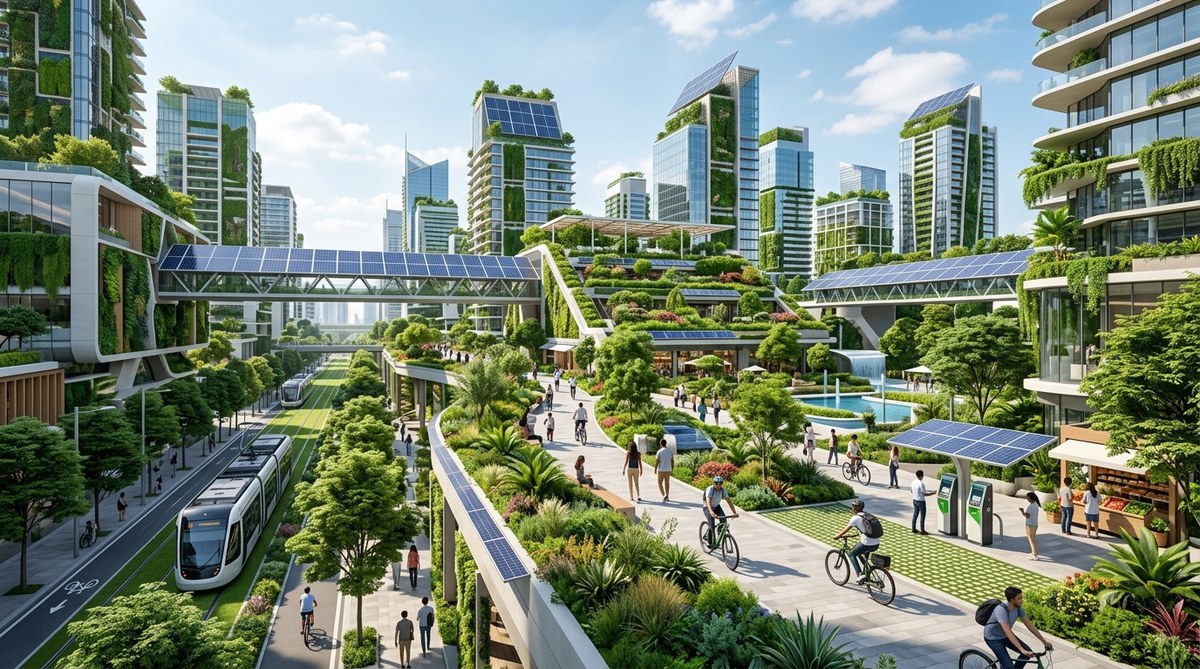
Urban environments face a multitude of pressures today, from climate change to rapid population growth. Building resilient and sustainable urban communities is no longer optional but essential for cities aiming to thrive in the face of these challenges. Resilient cities can absorb shocks, adapt quickly, and continue to provide quality living spaces for their residents. Meanwhile, sustainability ensures that urban growth does not come at the expense of the environment or future generations. Combining these elements creates urban communities that are both robust and eco-conscious.
Building resilient sustainable urban communities requires strategic planning, innovative infrastructure, community engagement, and a focus on environmental and social equity. These elements help cities adapt to climate change, economic shifts, and social challenges, ensuring long-term vitality for all residents.
Understanding the importance of resilient and sustainable urban communities
Urban areas are the beating hearts of modern life, hosting more than half of the world’s population. As cities grow, they face increasing threats such as extreme weather events, resource scarcity, and social inequalities. Resilience and sustainability are interconnected goals that help urban centers withstand shocks and maintain their quality of life.
Resilience refers to a city’s ability to bounce back from disruptions. Whether it’s a flood, heatwave, or economic downturn, resilient cities recover faster and suffer less long-term damage. Sustainability, on the other hand, emphasizes reducing environmental impact, conserving resources, and creating equitable communities. When combined, these principles guide cities toward becoming adaptable, eco-friendly, and inclusive spaces.
Practical steps for building resilient and sustainable urban communities
Developing resilient cities involves deliberate actions. Here are three core processes to get started:
-
Assess vulnerabilities and set priorities
Begin with comprehensive risk assessments. Map out potential hazards such as flooding zones, heat islands, or social inequalities. Use data analytics and community input to identify areas most at risk. -
Design and implement adaptive infrastructure
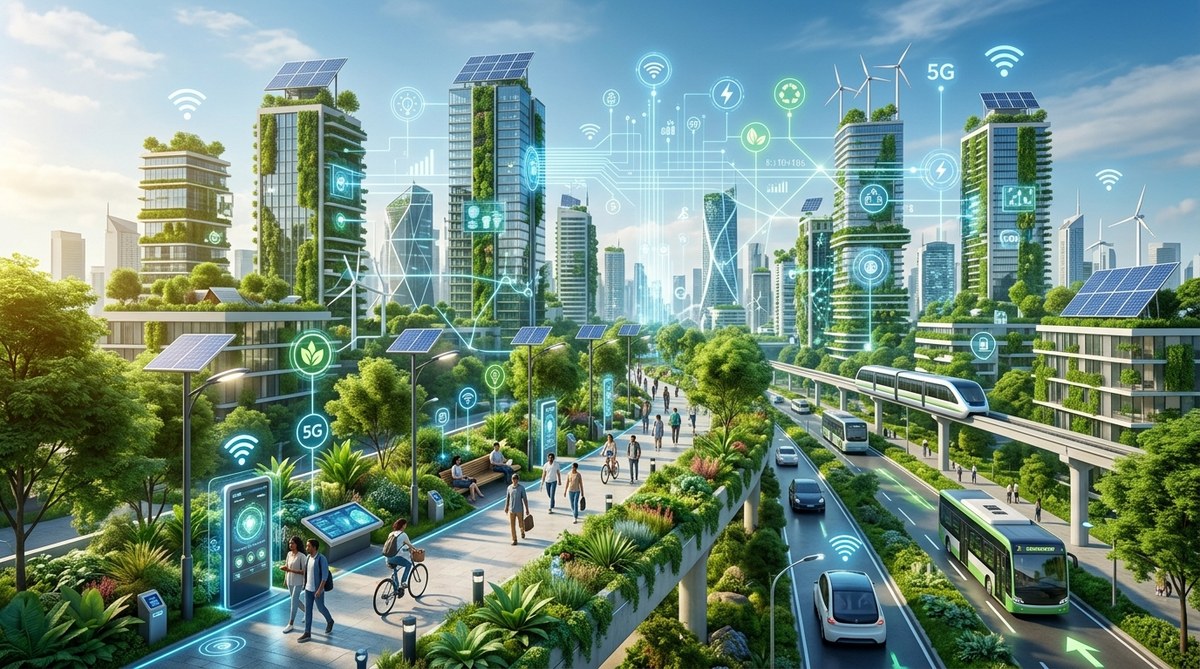
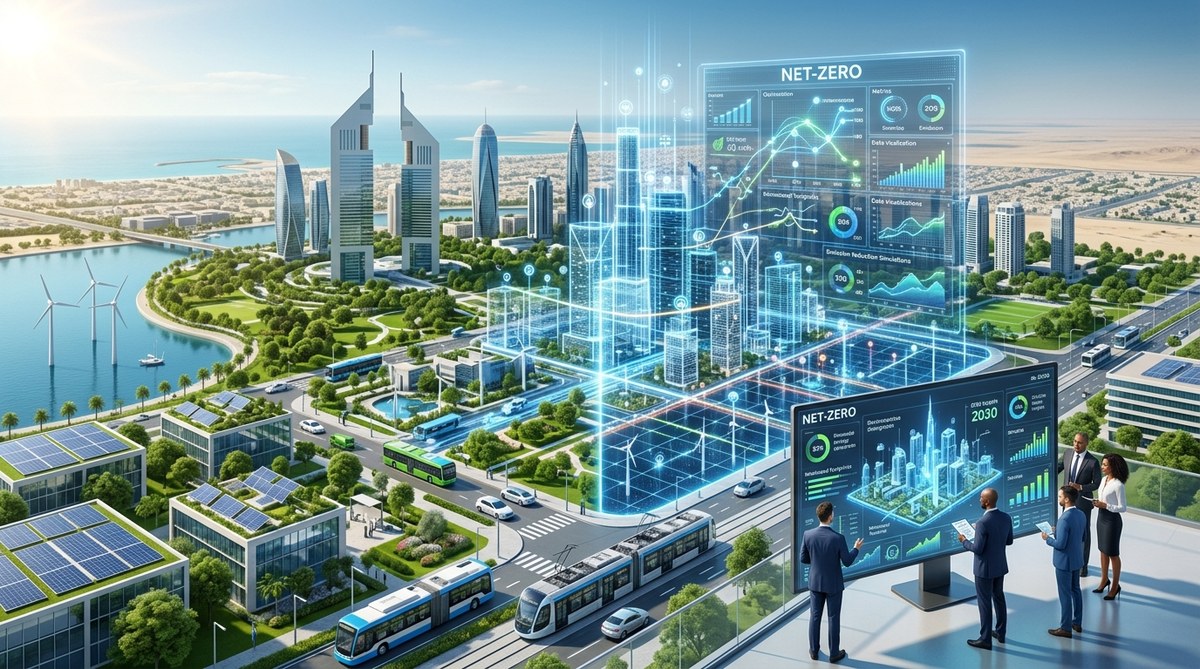
Invest in green infrastructure like permeable pavements, green roofs, and floodable parks. Incorporate smart technologies such as IoT sensors for real-time monitoring of water levels or air quality. These measures help cities respond swiftly and adapt to changing conditions. -
Engage communities in planning and decision-making
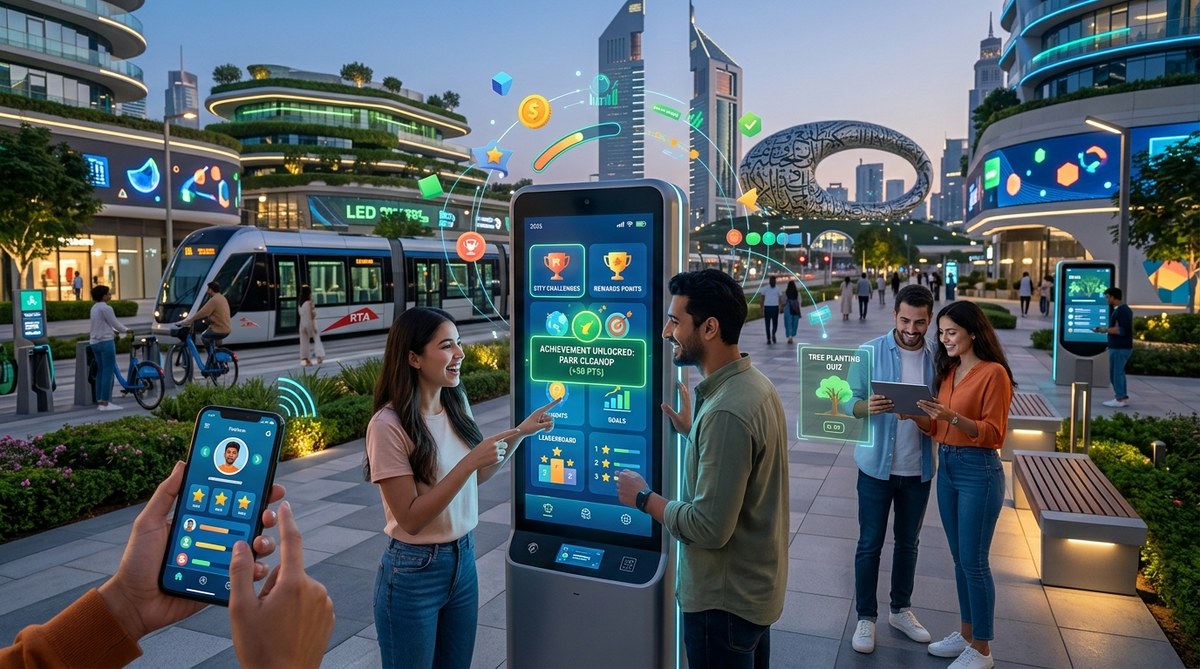
Involve local residents, businesses, and stakeholders early in the process. Public participation fosters ownership and ensures that solutions meet diverse needs. Education campaigns can also raise awareness about resilience practices.
Key techniques and common mistakes
| Techniques | Mistakes to avoid |
|---|---|
| Integrating green infrastructure | Overlooking maintenance needs |
| Using data-driven planning | Ignoring social equity considerations |
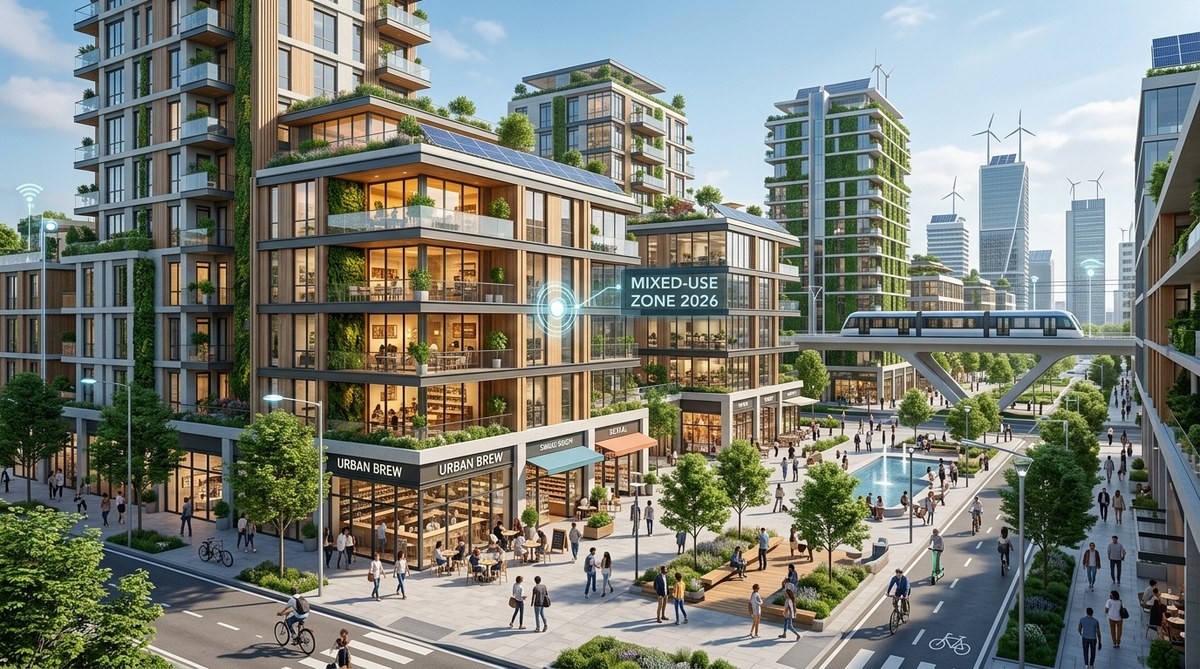
| Promoting mixed-use developments | Focusing solely on technical solutions |
| Encouraging community participation | Neglecting vulnerable groups |
| Implementing smart technology solutions | Relying on technology without backup systems |
Innovative approaches shaping resilient urban landscapes
Cities worldwide are experimenting with fresh ideas to enhance resilience and sustainability. For example, some urban areas are adopting nature-based solutions to manage stormwater or reduce urban heat islands. Others are deploying AI-powered systems to optimize energy use and emergency response.
Case studies reveal that successful resilient communities often share common traits. They prioritize flexibility, community engagement, and integration of technological advances. Cities like Singapore have pioneered vertical gardens and water recycling, while Rotterdam leverages flood barriers and innovative water management.
The role of green infrastructure and digital tools
“Green infrastructure not only mitigates environmental risks but also enhances urban livability,” advises Dr. Maria Lopez, an urban resilience expert. “When combined with smart tech, it creates a dynamic system capable of adjusting to unforeseen challenges.”
Common pitfalls to avoid
| Technique | Mistake |
|---|---|
| Relying solely on gray infrastructure | Ignoring climate change projections |
| Overlooking community input | Implementing projects without local support |
| Underestimating maintenance needs | Failing to plan for long-term upkeep |
Building resilience through policy and governance
Strong governance is fundamental. Cities must develop policies that promote resilience and sustainability as core priorities. This includes zoning laws that encourage green spaces, incentives for renewable energy adoption, and disaster preparedness planning.
Collaborative governance models foster cross-sector coordination. Public-private partnerships can accelerate infrastructure projects and innovation. Equitable policies ensure vulnerable populations are not left behind.
Practical process for policy development
- Conduct stakeholder consultations to gather diverse input.
- Develop a comprehensive resilience and sustainability plan aligned with local needs.
- Regularly review and update policies based on new data and emerging challenges.
Community empowerment and social equity
Resilient communities are inclusive communities. Addressing social inequalities ensures that all residents can benefit from sustainable infrastructure and disaster resilience measures. This involves targeted programs for low-income households, migrants, and marginalized groups.
Building social capital is equally vital. Strong networks facilitate information sharing, mutual aid, and collective action during crises. Education and outreach programs can empower residents to participate actively in resilience efforts.
Techniques to foster social resilience
- Community-led planning initiatives
- Local resilience committees
- Inclusive public engagement sessions
- Capacity-building workshops
How to avoid common mistakes and ensure success
| Techniques | Mistakes to avoid |
|---|---|
| Prioritizing community participation | Excluding marginalized voices |
| Ensuring equitable resource distribution | Relying on short-term fixes |
| Combining technological and social solutions | Neglecting long-term maintenance |
| Integrating resilience into urban design | Overlooking climate projections |
Final thoughts: shaping the cities of tomorrow
Urban resilience and sustainability are ongoing journeys. Successful communities adapt to emerging threats while maintaining social cohesion and environmental health. It requires continuous learning, innovation, and stakeholder collaboration.
Practical actions today lay the groundwork for cities that not only survive but thrive amid future challenges. By embracing integrated planning, community empowerment, and smart technologies, urban planners and city officials can craft vibrant, resilient, and sustainable urban landscapes.

Leave a Reply