
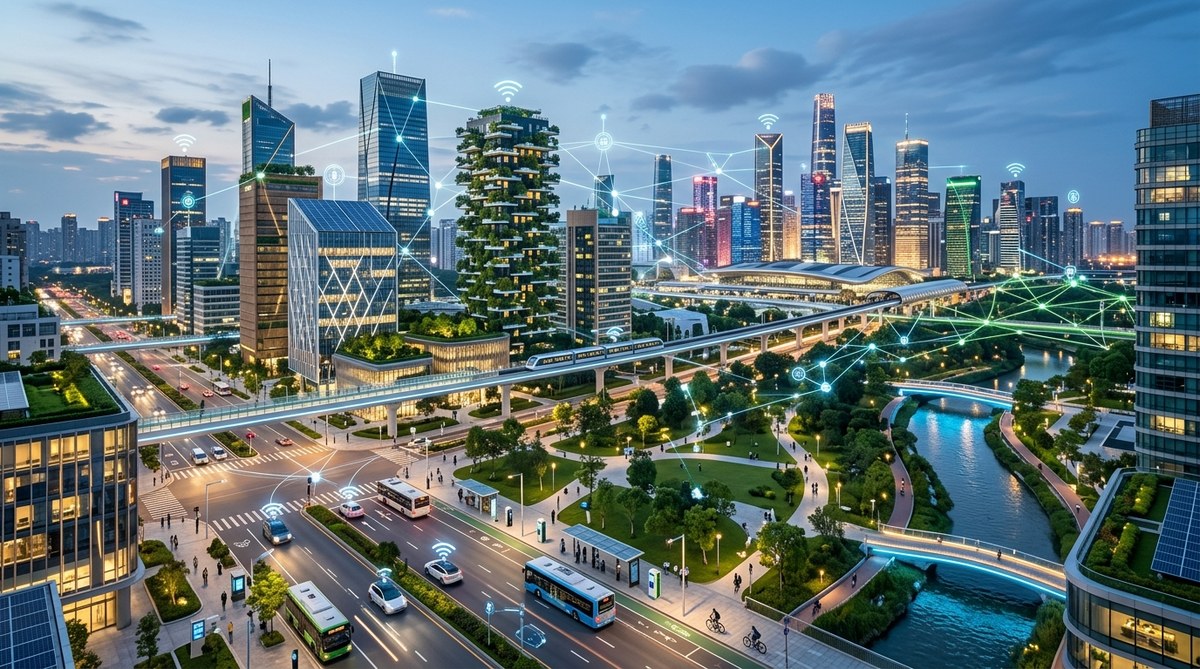
Building vibrant, efficient cities requires more than just new buildings or roads. It demands innovative urban infrastructure strategies that harness technology, sustainability, and smart design. As urban populations grow, city leaders and developers face increasing pressure to create environments that are not only functional but also adaptable and future-ready. Embracing new approaches can drive resilience, improve quality of life, and ensure cities remain competitive in the years ahead.
Innovative urban infrastructure strategies combine smart technology, sustainable practices, and adaptive design to build resilient, efficient cities that meet future needs and improve residents’ lives.
Rethinking Urban Infrastructure for the Future
Cities today are evolving into complex systems that require more than traditional planning. They need to incorporate innovative strategies that optimize resource management, enhance connectivity, and promote sustainability. This shift is driven by the urgent need for climate resilience, technological advancement, and the increasing demand for smarter urban environments.
Embracing Smart Technologies in Urban Planning
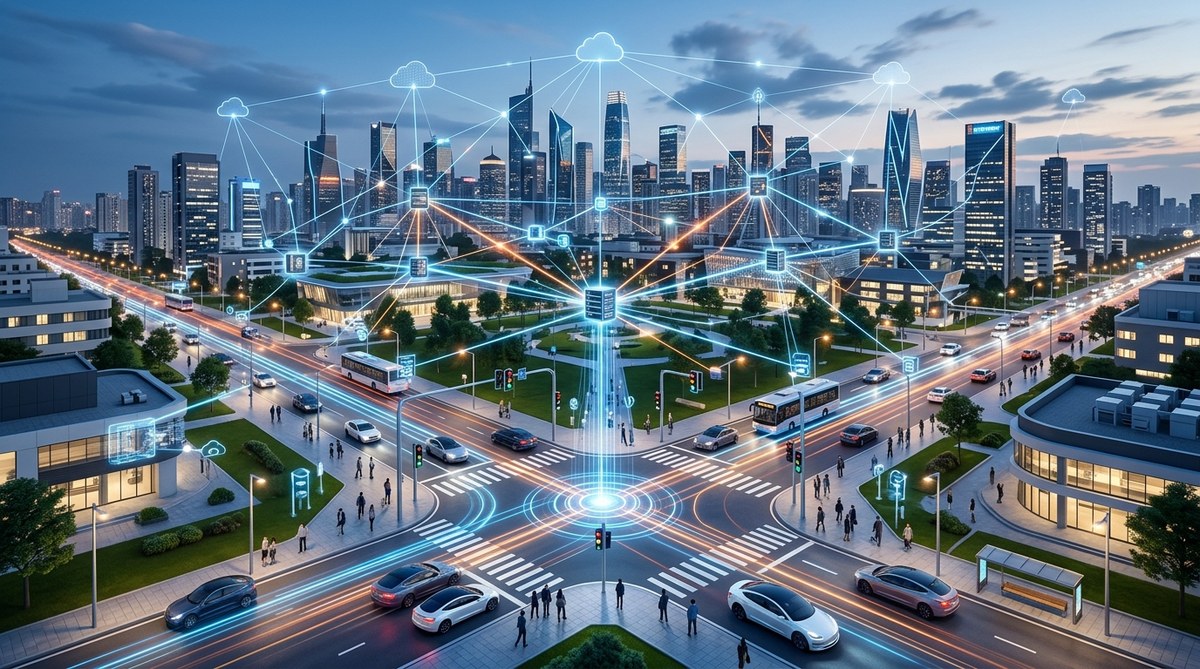
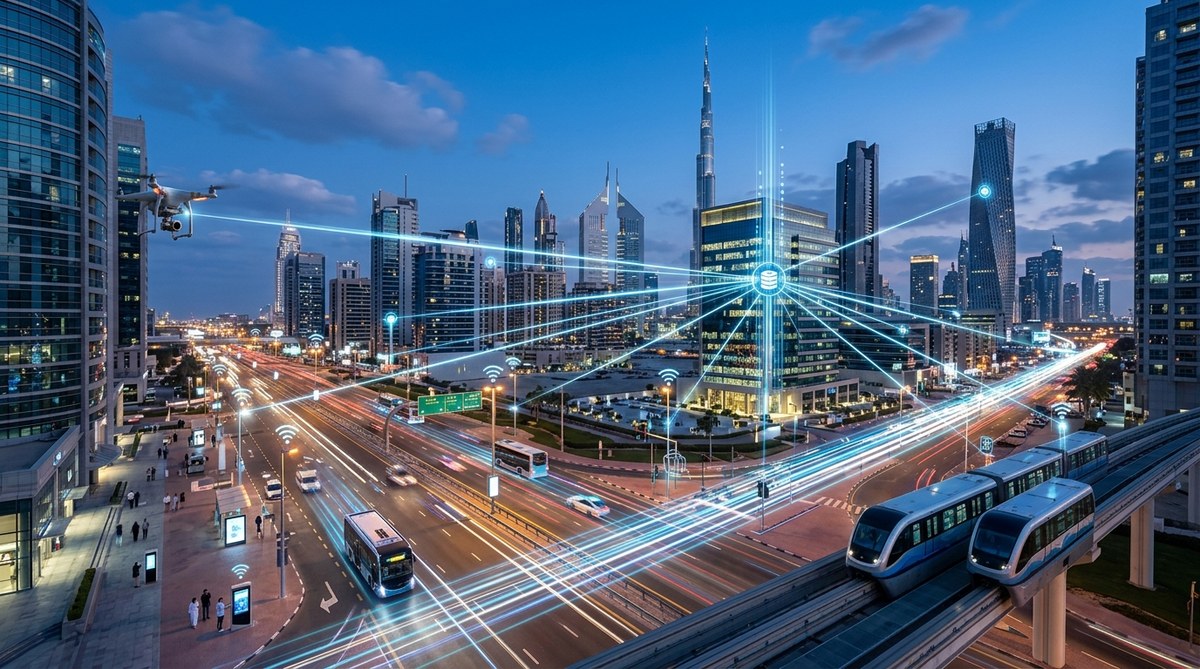
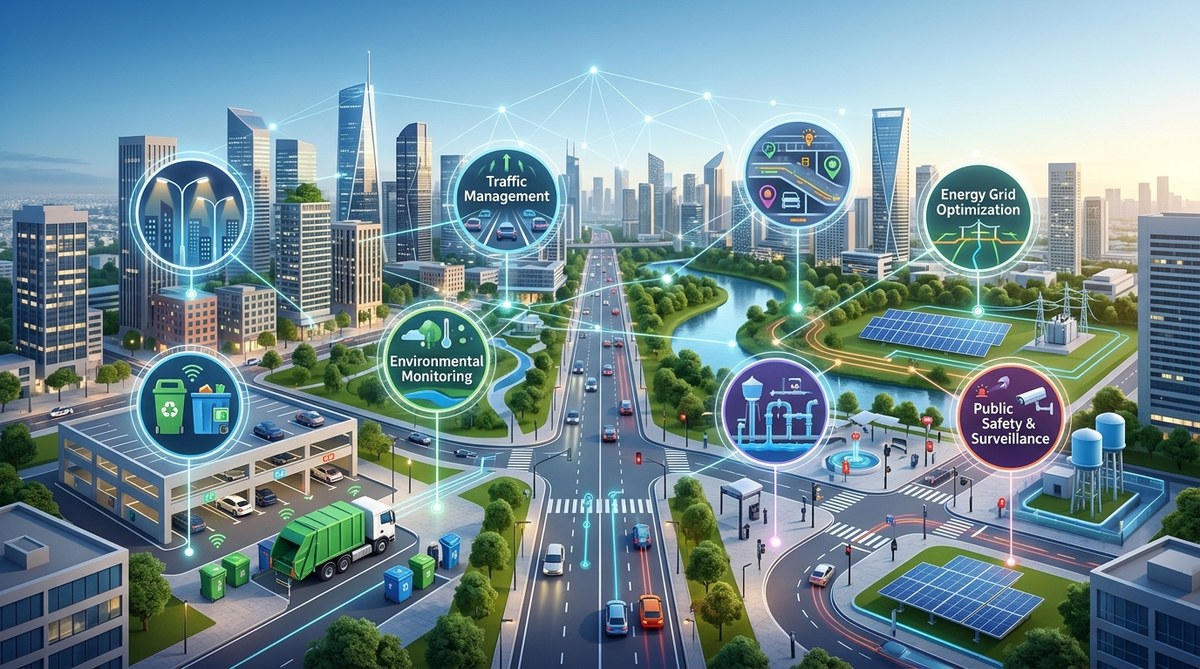
Smart city solutions are transforming how urban areas function. From sensor-enabled traffic management to intelligent water systems, technology allows cities to operate more efficiently. For instance, integrating Internet of Things (IoT) devices into infrastructure can provide real-time data, leading to better decision-making.
Prioritizing Sustainability and Resilience
Sustainable infrastructure minimizes environmental impact and ensures longevity. Green roofs, permeable pavements, and renewable energy sources are practical examples. Resilient infrastructure can withstand natural disasters and climate-related stresses, safeguarding communities and investments.
Promoting Integrated and Adaptive Design
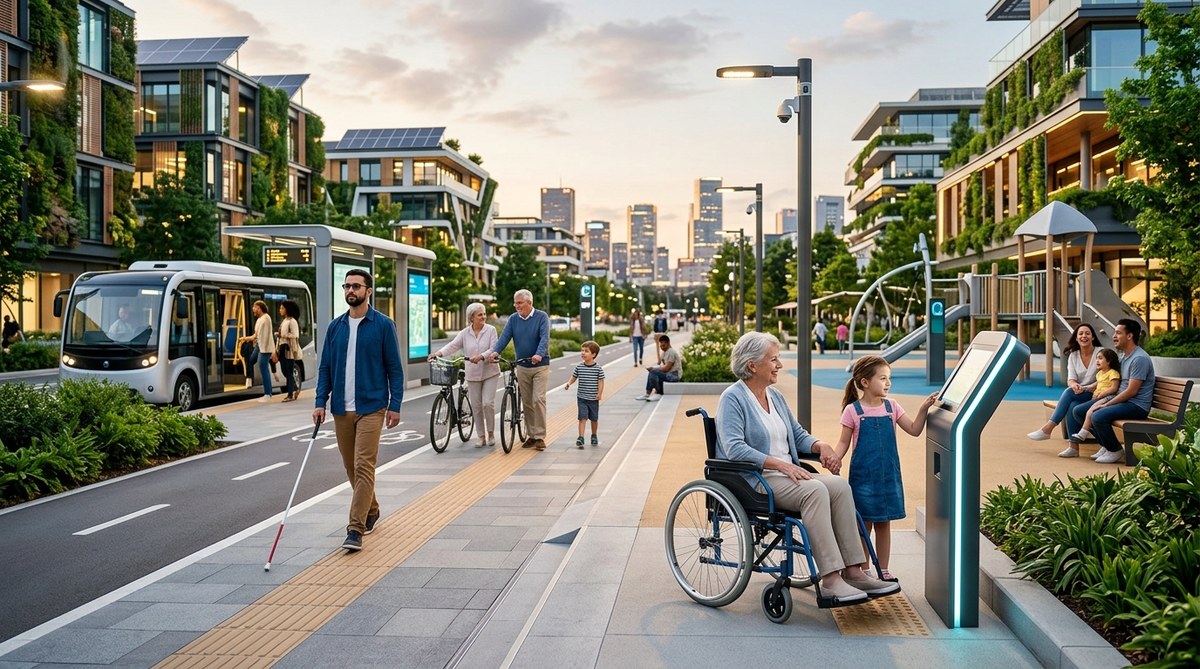
Designing infrastructure that adapts to changing needs is crucial. Modular systems, flexible public spaces, and multi-use facilities enable cities to respond quickly to demographic shifts or emergencies. This approach promotes a more dynamic urban landscape.
Practical Steps to Implement Innovative Urban Infrastructure Strategies
Implementing these strategies involves a clear process. Here are three essential steps:
-
Assess current infrastructure and future needs
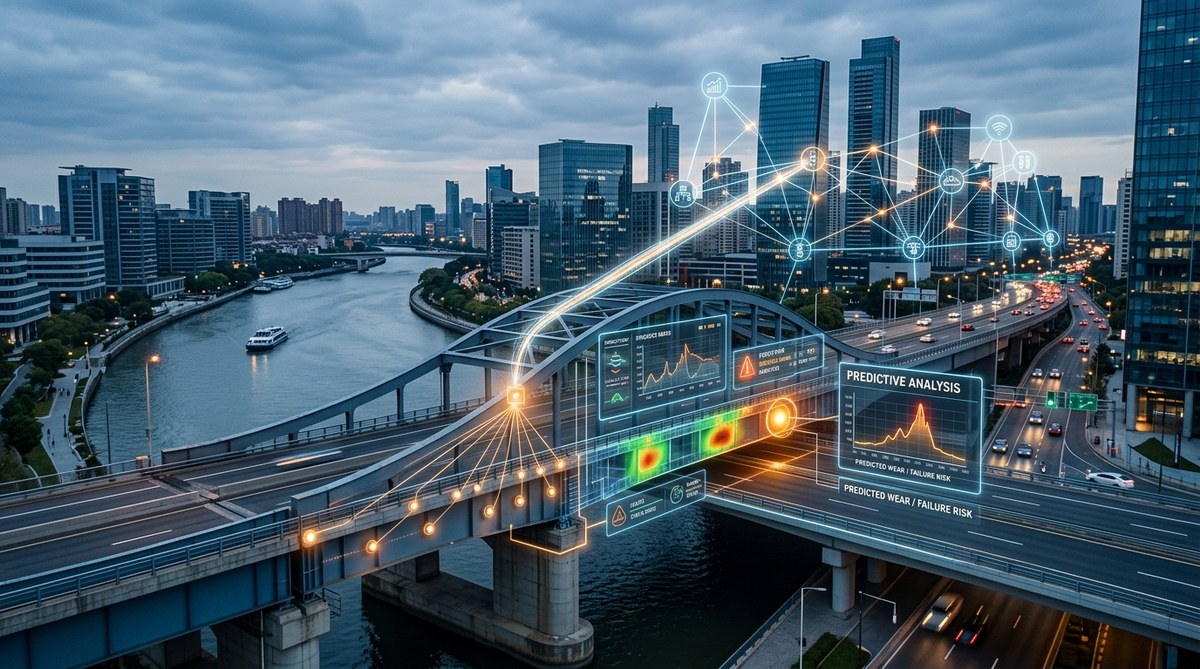
Conduct comprehensive evaluations of existing systems, identifying gaps and vulnerabilities. Use predictive analytics to understand future demands based on population growth, climate models, and technological trends. -
Engage stakeholders and foster collaboration
Bring together city officials, residents, developers, and researchers. Collaborative planning ensures solutions are practical, inclusive, and aligned with community goals. -
Integrate technology and sustainable practices
Incorporate smart systems such as intelligent lighting, waste management, and water conservation tools. Prioritize eco-friendly materials and renewable energy sources in new projects.
Key Areas of Focus for Urban Infrastructure Innovation
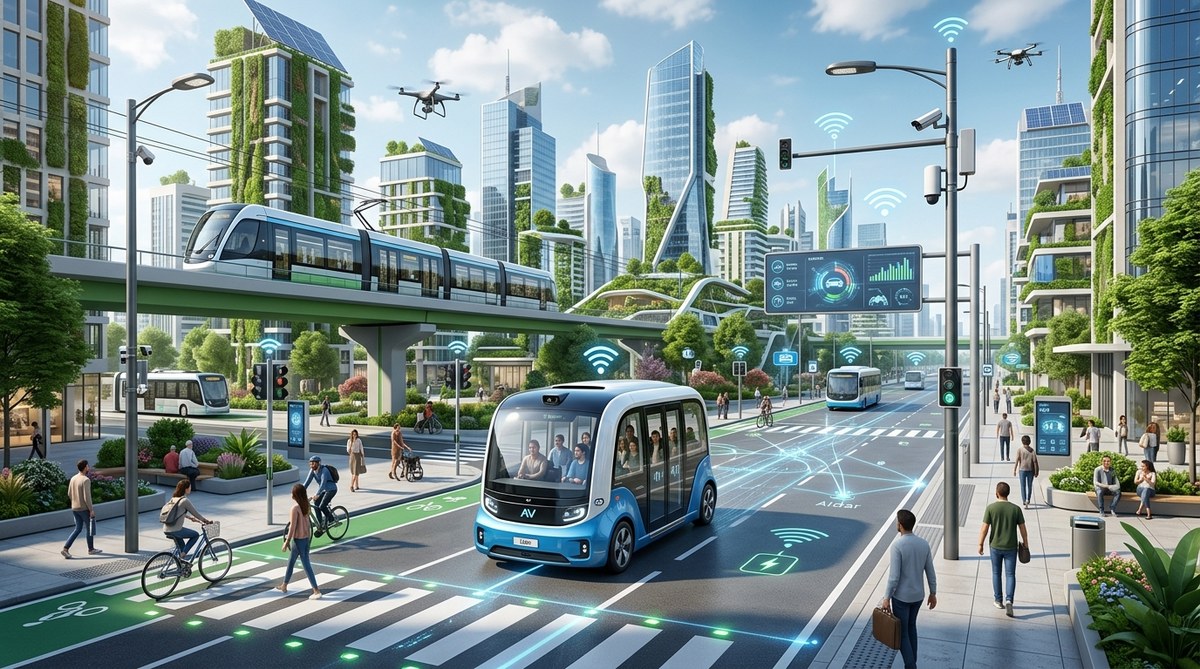
- Smart mobility: Connected transportation networks reduce congestion and emissions.
- Green infrastructure: Nature-based solutions like urban forests and wetlands support biodiversity and climate resilience.
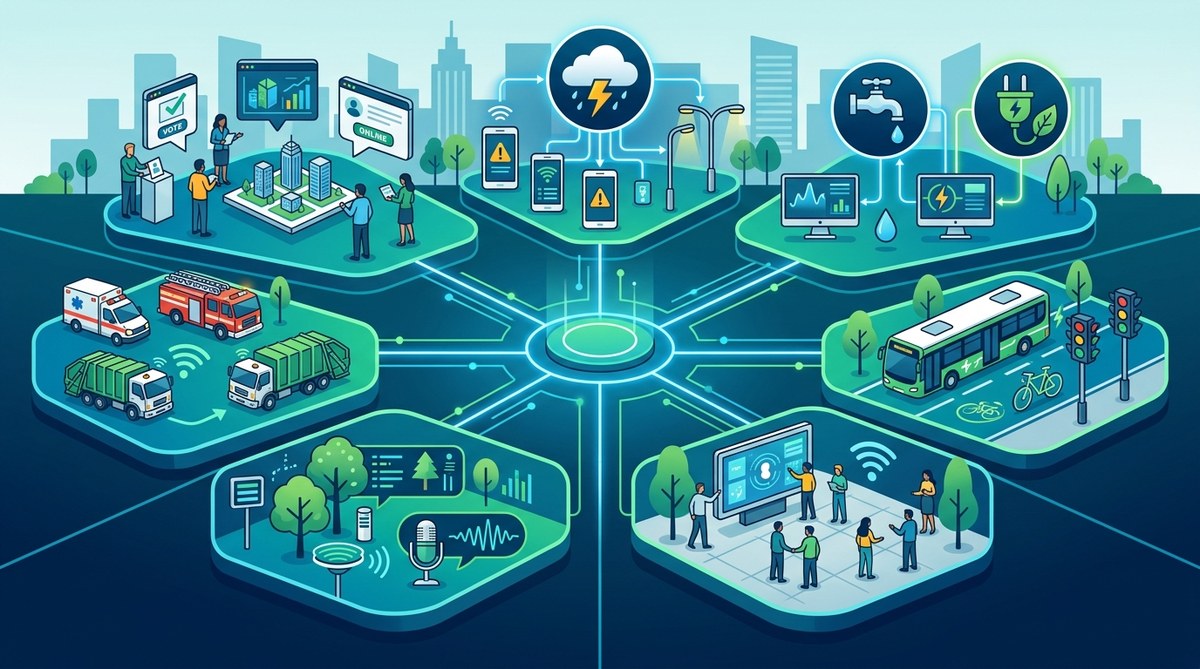
- Data-driven management: Real-time data improves maintenance, emergency response, and resource allocation.
- Renewable energy integration: Solar, wind, and other renewables power infrastructure sustainably.
- Resilient construction: Building codes and materials designed for extreme weather events.
Common pitfalls to avoid
| Technique | Mistake |
|---|---|
| Relying solely on traditional infrastructure | Ignoring technological advancements |
| Overlooking community input | Designing without public engagement |
| Neglecting maintenance and upgrades | Failing to plan for future scalability |
| Focusing only on new projects | Ignoring the potential of retrofitting existing systems |
Harnessing Technology for Smarter Cities
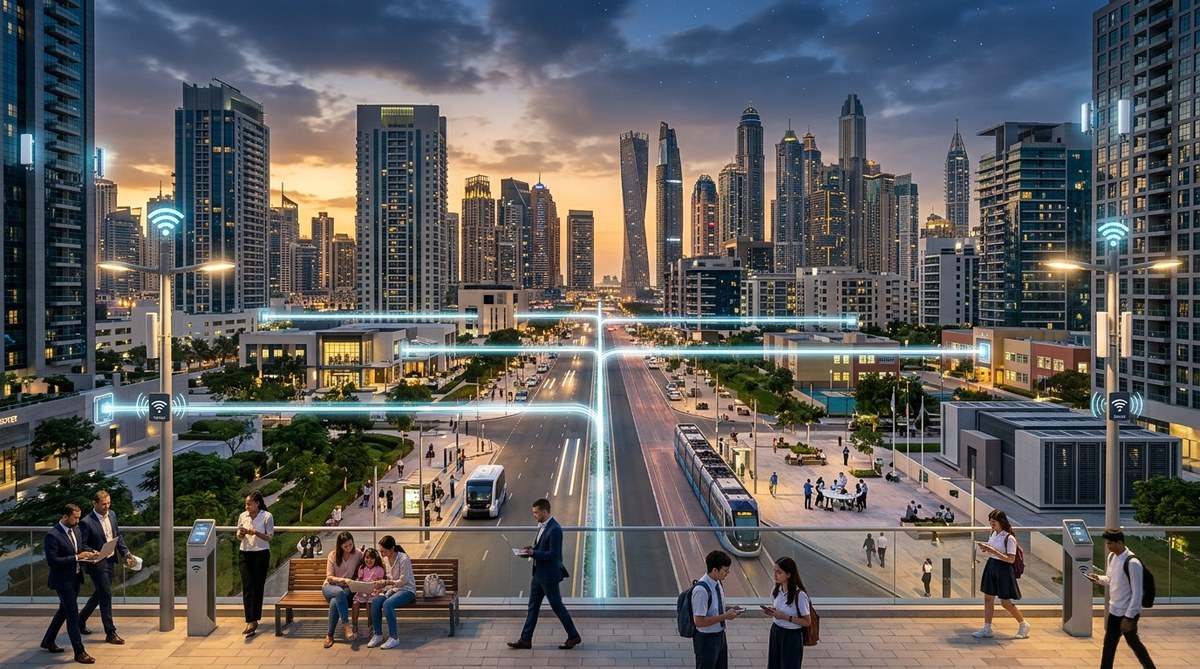
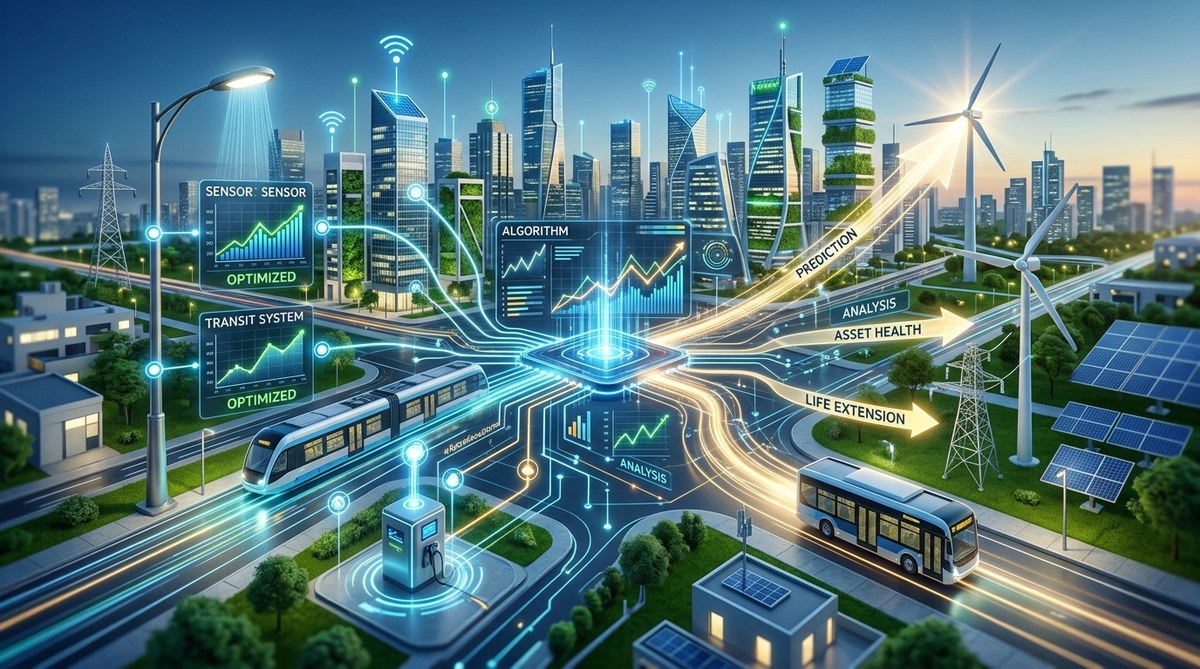
Technology underpins most innovative strategies. IoT sensors can monitor traffic flow, air quality, and water usage, providing data to optimize operations. Artificial intelligence helps forecast infrastructure needs and manage resources proactively.
“Incorporating smart technology into urban infrastructure is no longer optional. It’s essential for building cities that are efficient, sustainable, and prepared for future challenges,” emphasizes urban planning expert Dr. Lisa Morgan.
Case Study: Smart Water Management in Singapore
Singapore has implemented an advanced water management system that uses sensors and data analytics to monitor water quality, detect leaks, and optimize usage. This approach has significantly reduced waste and improved service reliability. Such systems exemplify how integrating technology enhances urban resilience.
Fostering Sustainable Development
Sustainable infrastructure supports long-term urban health. Strategies include installing solar-powered streetlights, creating green corridors, and utilizing recycled materials. These initiatives not only cut costs but also promote eco-conscious living.
Moving Toward Adaptive and Resilient Urban Environments
Cities must be prepared for a range of future scenarios. Implementing flexible infrastructure that can evolve over time is key. This might include modular transit stations, adaptable public spaces, or energy systems that can incorporate new renewable sources.
- Use of modular construction allows quick expansion or modification.
- Development of multi-use corridors supports transportation, green spaces, and social activities.
- Incorporation of climate-adaptive materials enhances durability against weather extremes.
Building a Better Urban Tomorrow
Adopting innovative urban infrastructure strategies is no longer optional. It is a necessity for cities to thrive amid rapid change. By leveraging smart technology, sustainable practices, and flexible design, urban areas can become more resilient, efficient, and livable.
Remember, the most successful projects involve collaboration and a clear vision for future needs. Start small with pilot programs, gather data, and scale up promising solutions.
A Practical Approach to Smarter Urban Development
No matter where your city stands today, you can begin integrating innovative strategies. Consider:
- Conducting an infrastructure audit to identify vulnerabilities.
- Engaging community stakeholders early in planning.
- Investing in smart systems that provide immediate benefits and long-term flexibility.
- Prioritizing sustainability to future-proof urban environments.
By taking these steps, city leaders and developers can shape urban landscapes that serve residents now and in generations to come.
Cultivating Cities That Work Smarter
In the end, building smarter urban infrastructure hinges on creativity, collaboration, and a willingness to adopt new ideas. Think of infrastructure not just as physical assets but as adaptable frameworks that support vibrant communities. Small changes today can lead to substantial improvements tomorrow.
Encourage innovation at every stage, from planning through deployment. Cities that embrace these strategies will be better equipped to face future challenges and offer residents a higher quality of life.
“The future of urban living depends on our ability to innovate continuously. Smart, sustainable infrastructure is the foundation of resilient cities,” advises urban strategist Mark Ellis.
Let’s work together to make our cities smarter, more sustainable, and ready for whatever the future holds.

Leave a Reply