
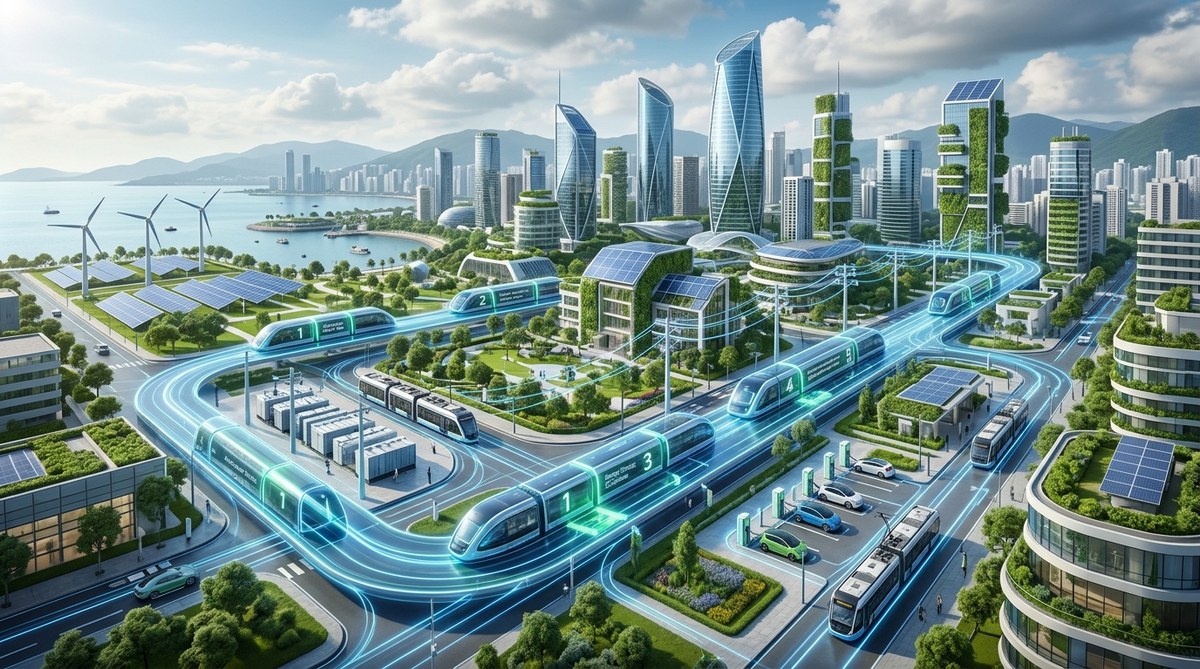
When a hurricane wallops a coastal city, the first thing residents lose is often the lights. For urban planners and energy engineers in the United States, that scenario is becoming a regular stress test. Power outages from extreme weather cost the U.S. economy billions each year, and aging infrastructure is struggling to keep up. Building a climate-resilient smart city power grid is no longer a futuristic goal. It is a present-day necessity. The good news is that we now have the technology, the data, and the policy frameworks to make it happen. This article walks through seven essential steps to future-proof your city’s electricity infrastructure against climate shocks.
Building a climate-resilient smart city power grid requires a shift from reactive repairs to proactive, data-driven design. The seven steps cover risk mapping, microgrid deployment, energy storage, digital twins, smart metering, cybersecurity, and community engagement. Each step reduces outage risk and lowers long-term costs for municipalities and utilities alike.
Start with a Climate Risk Map
You cannot protect what you do not understand. The first step is to build a detailed climate risk map for your entire service area. This goes beyond looking at FEMA flood zones. It means layering historical weather data with predictive climate models for 2026 and beyond.
- Identify which substations sit in flood plains or wildfire corridors.
- Map underground cable routes that are vulnerable to storm surge.
- Overlay heat island data to predict transformer failure points during heat waves.
Cities like Miami and Houston have started using open-source GIS tools to create these maps. Once you have the visual, you can prioritize hardening projects. For example, a substation in a low-lying area might need elevation or a waterproof barrier. A neighborhood in a wildfire zone might require undergrounding power lines. This map becomes the foundation for every budget decision that follows.
Deploy Distributed Energy Resources and Microgrids
A centralized grid is a fragile grid. When one major plant goes down, the entire system can collapse. The solution is to distribute generation across many smaller, local sources. This is where microgrids shine.
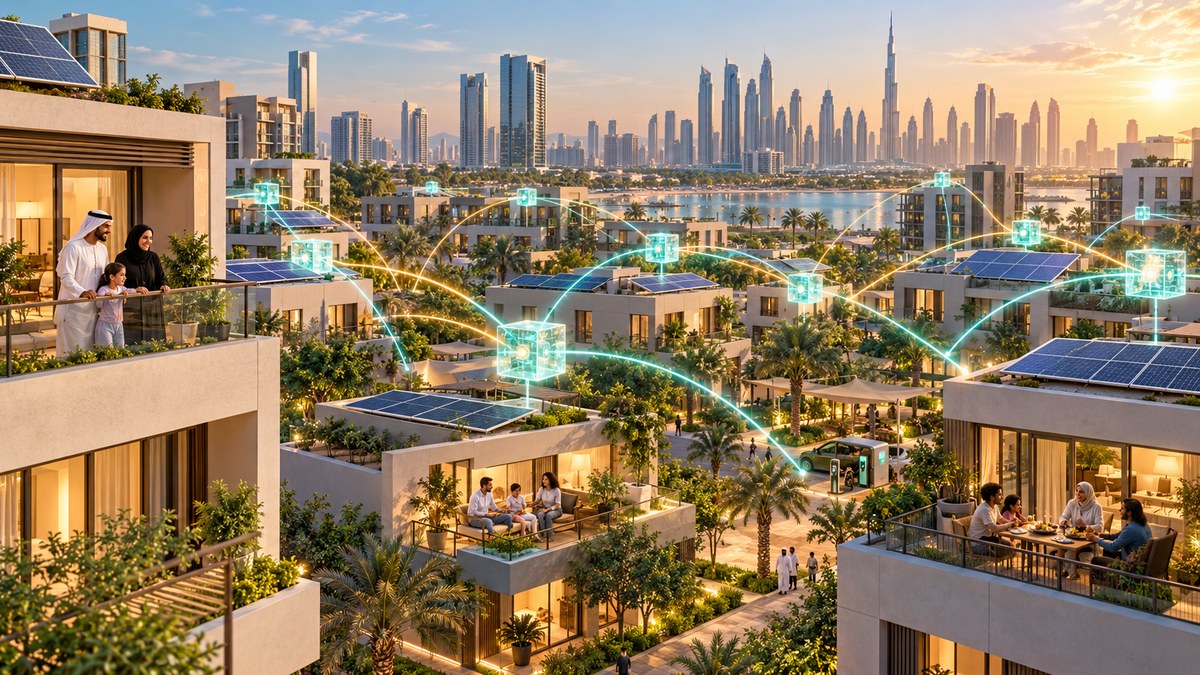
A microgrid can run independently from the main grid during an emergency. Think of a hospital, a fire station, or a community cooling center that keeps its lights on even when the surrounding neighborhood is dark. Solar panels paired with battery storage are the most common backbone for these systems.
For urban planners, the goal is to create “resilience zones.” These are clusters of critical infrastructure that can island themselves during a blackout. Cities like New York have piloted this approach after Hurricane Sandy. They installed solar-plus-storage microgrids at public housing developments. When the next storm hits, those buildings can serve as emergency hubs.
Invest in Long-Duration Energy Storage
Battery storage is the bridge between renewable generation and reliable power. Solar panels stop producing at night. Wind turbines slow down when the air is still. Storage smooths out those gaps.
For climate resilience, you need more than the typical four-hour lithium-ion battery. Look at long-duration storage options that can discharge power for 10 to 100 hours. This includes flow batteries, compressed air energy storage, and even green hydrogen.
| Storage Type | Duration | Best Use Case | Current Cost Trend |
|---|---|---|---|
| Lithium-ion | 2-4 hours | Peak shaving, frequency regulation | Falling fast |
| Flow battery | 6-12 hours | Microgrid backup, overnight load | Stable |
| Compressed air | 8-24 hours | Bulk grid support | Declining |
| Green hydrogen | Days to weeks | Seasonal storage, emergency backup | Early stage |
A common mistake is to oversize solar while undersizing storage. That leaves a city with excess daytime power and no buffer for the evening peak. Balance your generation and storage capacity from day one.
Build a Digital Twin of the Grid
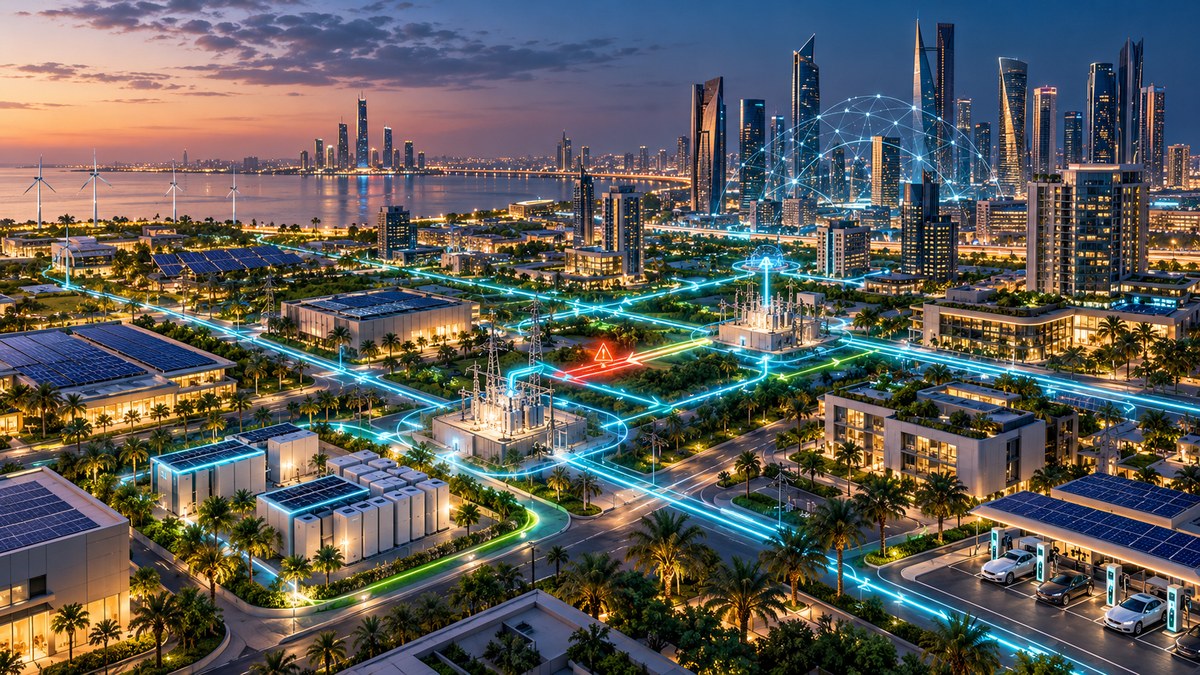
A digital twin is a virtual copy of your physical grid. It updates in real time using sensor data from IoT devices. This tool lets you run simulations before a storm arrives.
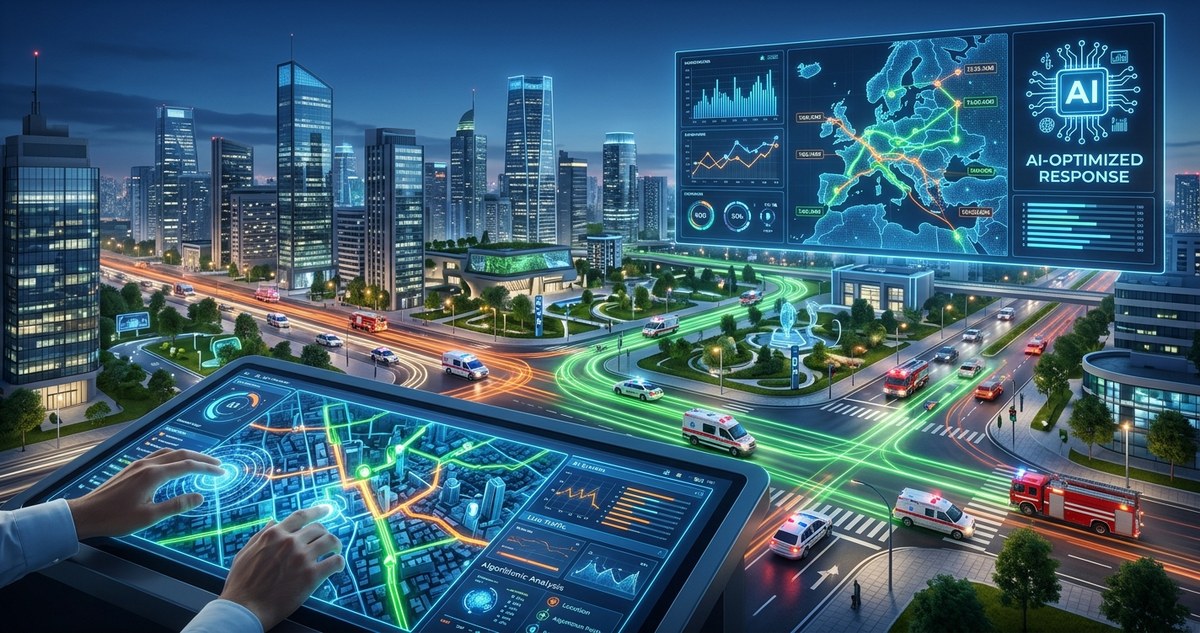
Imagine a hurricane is forecast to hit in 48 hours. You can feed the wind speed and rainfall predictions into the digital twin. The system shows you exactly which transformers will overload and which feeder lines will sag. You can then pre-position repair crews and reroute power automatically.
Cities like Las Vegas and Singapore are already using digital twins for their water and energy systems. For a climate-resilient smart city power grid, this is non-negotiable. It turns emergency response from a chaotic scramble into a rehearsed operation. If you want to understand the broader potential of this technology, read about how digital twins are the key to smarter infrastructure maintenance.
Install Advanced Metering and Real-Time Controls
You cannot manage what you cannot measure. A climate-resilient grid depends on a dense network of sensors and smart meters. These devices give operators visibility down to the household level.
Smart meters can detect a voltage dip caused by a falling tree branch before the branch even breaks the line. That early warning allows the utility to switch the circuit and prevent a blackout. Real-time controls also enable demand response programs. When the grid is stressed, the system can automatically dial down non-critical loads like EV chargers or industrial HVAC.
For residents, this means fewer outages and lower bills. For planners, it means granular data to optimize future upgrades. The key is to ensure the communication network for these meters is hardened. If the cell tower goes down, the meters should still be able to talk to each other through mesh networking.
“A grid that can see itself is a grid that can heal itself. Real-time monitoring is the nervous system of any resilient power network.” — Dr. Elena Marquez, urban energy systems researcher at MIT.
Harden Cybersecurity and Data Privacy
A smart grid is a connected grid. That connection opens the door to cyber attacks. In 2024, several U.S. utilities reported attempted intrusions during extreme weather events. Attackers know that a stressed grid is a vulnerable grid.
Cybersecurity must be built in, not bolted on. This means encrypting all data flows between sensors, substations, and control centers. It means segmenting the network so that a breach in the billing system does not reach the SCADA system that controls circuit breakers.
Municipal policy makers should require third-party penetration testing for any new smart grid technology. They should also mandate data privacy protections for the customer data collected by smart meters. Residents need to trust that their energy usage patterns are not being sold or misused.
For a deeper look at why this matters, consider how smart city cybersecurity should be a top priority for urban planners. The same principles apply to the grid.
Create Community Resilience Partnerships
The final step is the most human. Technology alone will not save a city during a crisis. You need a community that is prepared and connected.
Formalize partnerships with community organizations, faith-based groups, and local businesses. Identify which buildings can serve as resilience hubs. Equip them with backup power, water, and communication gear. Train residents on how to use them.
Cities like Baltimore and Detroit have started “block captain” programs for energy resilience. Each block has a trained volunteer who knows how to shut off gas lines, operate a portable generator, and check on elderly neighbors. When the grid goes down, these human networks are the first line of defense.
This step also builds public support for the infrastructure investments. When residents see that a new microgrid will keep their local school open during a blackout, they are more likely to vote for the bond measure that funds it.
Common Mistakes to Avoid
Even with the best intentions, cities make errors when building resilient grids. Here are the most common pitfalls and how to avoid them.
| Mistake | Why It Hurts | Better Approach |
|---|---|---|
| Focusing only on generation | Transmission and distribution are equally vulnerable | Harden the entire path from plant to plug |
| Ignoring low-income neighborhoods | Resilience gaps widen equity divides | Prioritize underserved areas first |
| Buying proprietary systems | Vendor lock-in prevents future upgrades | Use open standards and interoperable hardware |
| Skipping maintenance | Smart tech fails if not updated | Budget for ongoing software and hardware refreshes |
Putting the Steps into Action
You do not need to do all seven steps at once. Start with the climate risk map. That will show you the highest priority area in your city. Then tackle one microgrid project in that zone. Learn from it. Scale it.
The cities that succeed will be the ones that treat grid resilience as a continuous process, not a one-time project. They will pair smart technology with smart policy and smart community engagement. The result is a power system that bends under pressure but does not break.
If you are looking for more guidance on how to integrate these concepts into broader urban planning, the article on innovative strategies for building smarter urban infrastructure offers a great companion read. It covers how these grid steps fit into the larger picture of city design.
Your First Move for a Stronger Grid
Start small but start today. Pick one substation or one neighborhood that is most exposed to climate risk. Gather the data. Build the map. Call a meeting with your utility partners and community leaders. The seven steps above are a proven path, but they only work if you take the first step. Your city deserves a grid that can handle whatever the weather throws at it. Go make that happen.


Leave a Reply