
Cities across the United States are feeling the pressure. Aging pipes leak millions of gallons daily. Drought cycles hit harder each year. Population growth strains every drop. For urban planners and sustainability officers, the question is no longer whether to adopt smart water management but which programs deliver real, measurable results. The good news is that several cities have already done the hard work. They tested sensors, rewired their billing systems, and redesigned public spaces to capture every raindrop. Their lessons are ready for you to borrow.
Smart city water conservation is not about one giant technology fix. It is about combining real-time leak detection, tiered pricing powered by AI, smart irrigation for public parks, and community engagement platforms that turn residents into active partners. The seven programs below prove that cities of any size can cut water use by 15 to 30 percent within three years.
What makes a water program truly “smart”
A smart water program does more than install new pipes. It collects data, learns from it, and adapts. The best programs share a few common traits.
- Real-time monitoring: Sensors in the network send alerts the moment pressure drops or flow spikes.
- Predictive analytics: Software forecasts demand and spots weak points before they become bursts.
- Automated controls: Irrigation systems water parks only when the soil is dry and the forecast shows no rain.
- Resident engagement: People see their own usage data and get personalized tips to reduce waste.
These elements work together. A city that only fixes leaks without addressing consumption patterns will still struggle. A city that only asks residents to conserve without fixing leaks will lose trust. The balance is everything.
Seven proven programs that deliver results
1. Barcelona’s smart water network for public parks
Barcelona faced a tough problem. Its beautiful public gardens consumed a huge share of the city’s water budget. Traditional irrigation schedules wasted water on rainy days and underwatered plants during heat waves.
The city installed soil moisture sensors and connected them to a central platform. The system checks weather forecasts, soil data, and plant type before deciding when to water. Parks now use 25 percent less water. Maintenance crews receive alerts on their phones when a specific zone needs attention.
This approach works especially well for cities with large park systems. You can read more about how IoT sensors support this kind of monitoring in our guide on how to leverage IoT sensors for real-time urban infrastructure monitoring.
2. Singapore’s NEWater and smart home integration
Singapore treats and recycles wastewater to a standard that exceeds drinking water requirements. The NEWater program supplies recycled water to industrial users and commercial buildings. But the smart part is the home integration.
Each household receives a smart meter that tracks consumption by the hour. Residents log into a portal to see exactly when they use the most water. The system sends a friendly nudge if a household’s usage climbs above the neighborhood average. Combined with tiered pricing, this approach cut per capita water use by 12 percent over five years.
3. Los Angeles’s leak detection grid
Los Angeles loses millions of gallons each year through cracks in aging pipes. The city deployed acoustic sensors along 4,000 miles of water mains. These sensors listen for the high-frequency sound of a leak. Software triangulates the location within a few feet.
Before this system, crews spent days searching for a leak. Now they get a map coordinate and a repair priority score. The city reduced non-revenue water by 20 percent in two years. For any municipality with infrastructure built before 1980, this kind of sensor grid pays for itself.
4. Copenhagen’s cloudburst management program
Copenhagen does not just save water. It manages too much water. Heavy rains overwhelm combined sewer systems and cause flooding. The city built a network of green roofs, rain gardens, and permeable pavements that capture stormwater where it falls.
Sensors in these green infrastructure elements monitor water levels. When a cloudburst is predicted, the system automatically opens gates to direct water into designated retention basins. The program reduced flood damage costs by 60 percent while also replenishing the local aquifer. This is a strong example of implementing green design principles to transform urban spaces.
5. San Francisco’s tiered pricing with AI
San Francisco uses a pricing model that charges more per gallon as a household uses more. The twist is that the tiers adjust automatically based on household size and season. An AI model analyzes past billing data and local weather patterns to set the thresholds.
Low-income households receive a base amount of water at a reduced rate. Large families do not get penalized for essential use. The program cut overall consumption by 15 percent while keeping water affordable. The key was communicating the changes clearly so residents understood why their bill changed.
6. Amsterdam’s smart canal water exchange
Amsterdam sits on canals, but the canal water is too salty or polluted for drinking. The city built a smart exchange system that pumps canal water to industrial users for cooling and cleaning. Sensors track salinity and pollution levels in real time. If the water quality drops, the system switches to treated municipal supply.
This program saved 30 million gallons of drinking water per year. Industrial users paid less for their cooling water. The city avoided building a new treatment plant. It is a reminder that smart water conservation often starts by matching the right water quality to the right use.
7. Tucson’s rainwater harvesting incentive program
Tucson offers rebates to homeowners who install rainwater harvesting systems. The smart part is the monitoring. Each rebated system includes a flow meter that reports to the city. The city tracks how much rainwater each property captures and uses.
The data helps planners decide where to invest in larger community-scale harvesting projects. It also proves to state regulators that the program is effective, which helps secure continued funding. Tucson now captures over 100 million gallons of rainwater each year through residential and commercial systems.
How to choose the right approach for your city
Not every program fits every city. Use the table below to match your biggest challenge with the right solution.
| If your city struggles with… | Consider this approach | Example city |
|---|---|---|
| High water loss from old pipes | Acoustic leak detection sensors | Los Angeles |
| Oversized water bills for parks | Smart irrigation with soil sensors | Barcelona |
| Low resident engagement | Smart meters with personalized dashboards | Singapore |
| Seasonal flooding from storms | Green infrastructure with real-time controls | Copenhagen |
| Inequitable water pricing | AI-adjusted tiered pricing | San Francisco |
| Industrial demand competing with residential | Alternative water quality matching | Amsterdam |
| Low annual rainfall | Rainwater harvesting with data tracking | Tucson |
“The cities that succeed are the ones that treat water data like a public utility, not a secret. When residents see their own usage patterns, they become partners, not just customers.” — Sarah Chen, urban water systems director at the Pacific Institute
Common pitfalls and how to avoid them
Even the best technology fails if the rollout is sloppy. Here are three mistakes that keep programs from delivering results.
-
Ignoring the human side: Installing smart meters without teaching people how to read them wastes the investment. Pair every technology deployment with a simple guide and a help desk.
-
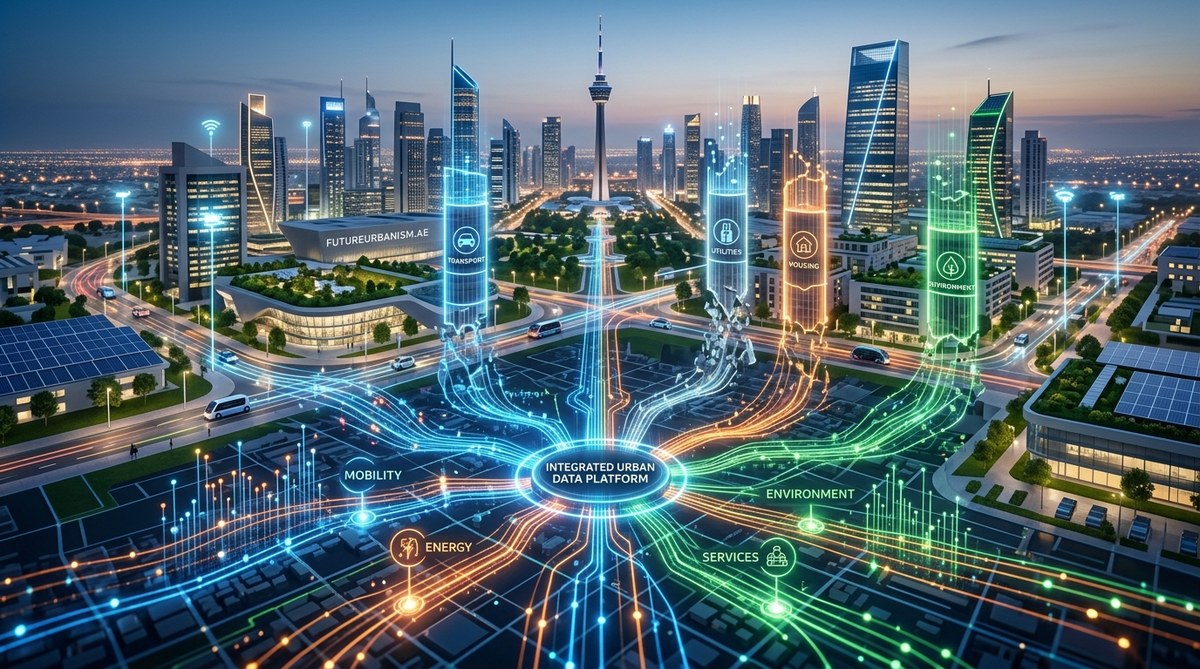
Siloed data: If the water department does not share data with the parks department, you end up watering the grass while fixing a leak next to it. Break down the internal walls.
-
One-size-fits-all pricing: A flat rate for water encourages waste. Tiered pricing works, but only if the tiers reflect real household needs. Test the model with a pilot group first.
Building a smarter water future
The seven programs above prove that smart city water conservation is not science fiction. It is happening right now in cities that face the same challenges you do. Barcelona, Singapore, Los Angeles, Copenhagen, San Francisco, Amsterdam, and Tucson each found a path that matched their unique geography and politics.
Your city can do the same. Start with a single pilot. Pick one park, one neighborhood, or one industrial district. Install the sensors. Collect the data. Show the results. Once the first success is visible, the next project gets easier.
For a deeper look at the technologies that make these programs possible, check out our piece on how to implement smart water management systems in urban areas. And if you are planning a broader sustainability overhaul, our article on innovative strategies for building smarter urban infrastructure offers a helpful framework.
The water crisis is not coming. It is here. But with the right tools and a willingness to learn from cities that have already paved the way, you can build a program that conserves water, saves money, and earns the trust of your community. Start small. Measure everything. Share the wins. That is how real change happens.



Leave a Reply