

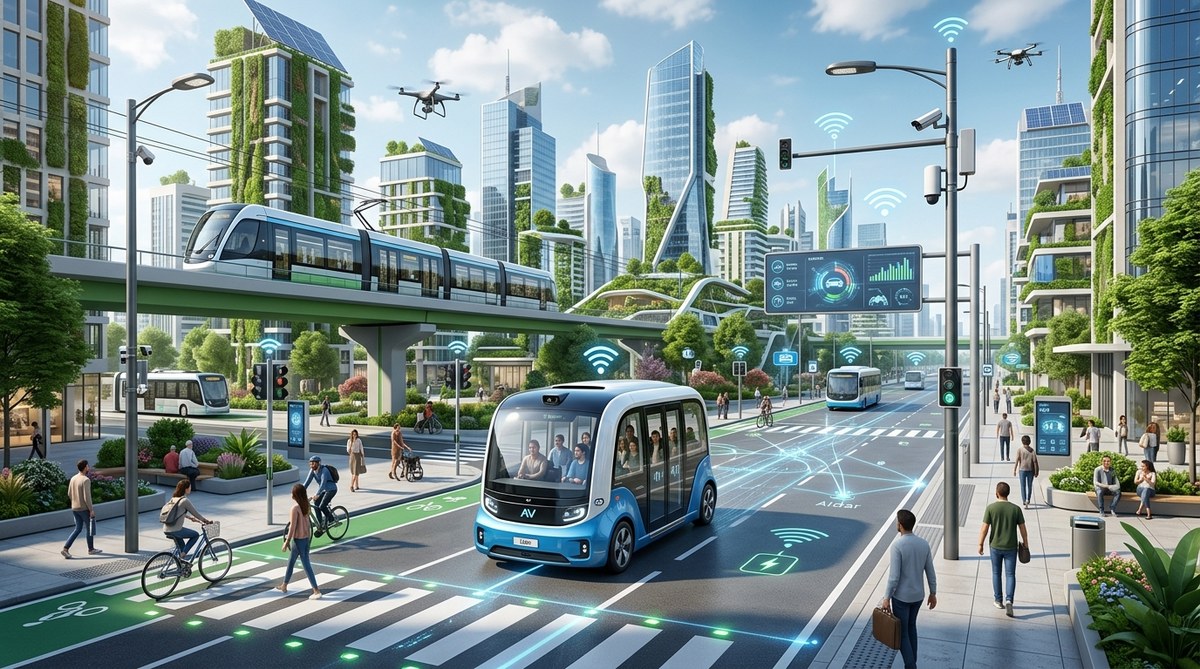
Smart cities are no longer just a vision for the future; they are becoming a reality thanks to the power of data analytics. By harnessing vast amounts of data generated within urban environments, city officials and planners can make smarter decisions. This leads to more efficient transportation, better resource management, and a higher quality of life for residents. As urban areas continue to grow, the integration of data analytics becomes essential for sustainable development and innovation.
Data analytics in smart cities enables urban planners to interpret complex information, optimize infrastructure, and improve public services. This results in more sustainable, efficient, and livable urban environments that adapt to changing needs.
Understanding the role of data analytics in smart urban environments
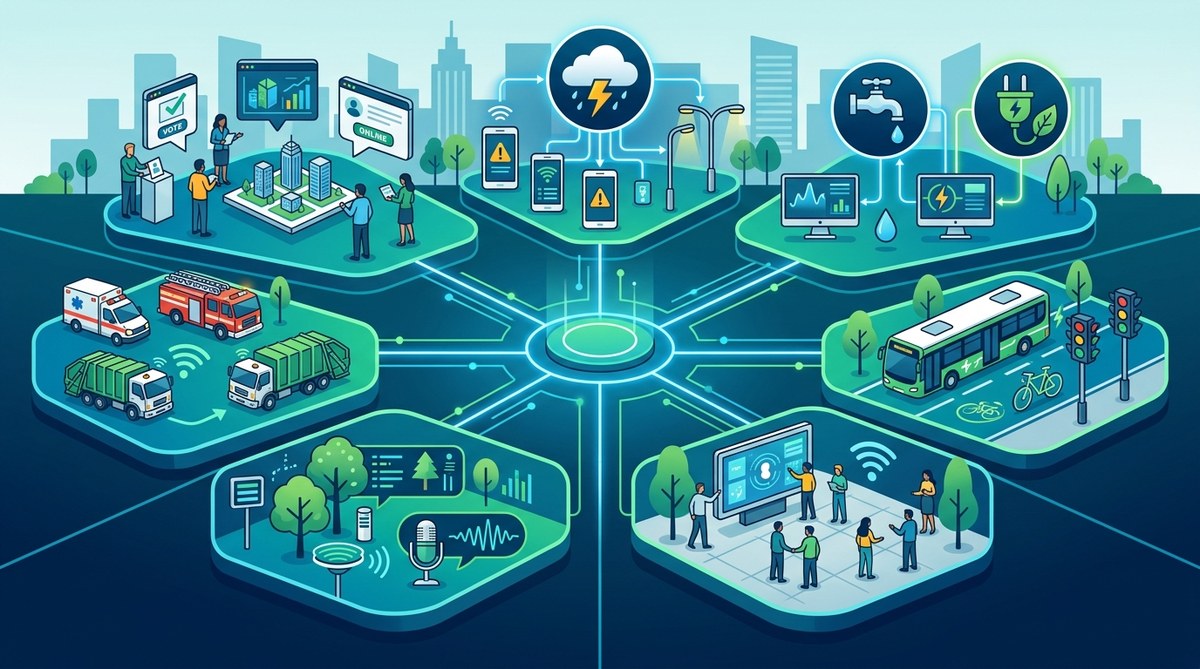
Data analytics involves collecting, processing, and interpreting large sets of information to uncover patterns and insights. In the context of smart cities, this means analyzing data from sensors, cameras, mobile devices, and other connected systems. This information helps city officials understand how urban spaces are used, identify issues, and develop targeted solutions.
The real strength of data analytics lies in its ability to turn raw data into actionable insights. For example, traffic flow sensors can reveal congestion hotspots, prompting authorities to adjust signal timings or suggest alternative routes. Similarly, energy consumption data can inform policies aimed at reducing waste and promoting sustainability.
Practical steps for implementing data analytics in smart cities
-
Identify key data sources. Cities need to map out the data generated within their urban systems. This includes traffic sensors, public transportation data, utility meters, and social media feeds. Recognizing these sources helps prioritize data collection efforts.
-
Establish data infrastructure. Building a robust data infrastructure is crucial. This involves deploying IoT devices, data storage solutions, and processing platforms. Cloud-based systems often provide flexibility and scalability for growing data needs.
-
Develop analytics capabilities. Investing in analytics tools and expertise enables cities to interpret the data effectively. This can mean hiring data scientists or partnering with technology providers to implement machine learning models and real-time dashboards.
-
Integrate insights into decision-making. Data-driven insights should influence policies and operational strategies. For example, predictive analytics can forecast future traffic patterns, guiding infrastructure investments before issues arise.
-
Monitor and refine. Continuous data collection and analysis allow cities to adapt their strategies over time. Regular evaluation of outcomes ensures the system remains effective and aligned with urban goals.
Key techniques powering data analytics in smart cities
| Technique | Description | Common mistakes |
|---|---|---|
| Descriptive analytics | Summarizes current data, such as traffic volume or energy use | Relying solely on historical data without considering trends |
| Predictive analytics | Forecasts future events based on patterns, like congestion peaks | Ignoring data quality issues that skew predictions |
| Prescriptive analytics | Recommends actions to optimize outcomes, such as routing suggestions | Overconfidence in automated recommendations without human oversight |
| Geo-spatial analysis | Uses location data to map urban phenomena | Misinterpreting spatial data due to poor mapping or inaccurate sensors |
“Effective data analytics transforms raw city data into insights that directly impact urban living. When used properly, it can lead to smarter resource allocation, improved services, and more resilient infrastructure,” notes urban technology expert Dr. Lisa Nguyen.
Case studies showcasing data analytics success stories
In Barcelona, a comprehensive sensor network provides real-time data on air quality, traffic, and waste management. This information allows city officials to optimize street cleaning schedules and reduce pollution hotspots. As a result, residents enjoy cleaner air and smoother traffic flow.
Singapore has integrated data analytics into its public transportation planning. Using predictive models, they dynamically adjust bus routes and schedules to match passenger demand. This approach reduces wait times and enhances the overall commuting experience.
In Dubai, data-driven approaches have improved energy efficiency across buildings and public utilities. Smart meters and analytics platforms help identify energy wastage, leading to significant cost savings and sustainability gains.
Challenges and opportunities in adopting data analytics
While the benefits are clear, integrating data analytics into urban management isn’t without hurdles. Privacy concerns, data security, and the high costs of infrastructure can slow adoption. Additionally, data silos across departments may hinder comprehensive analysis.
However, these challenges also open doors for innovation. Cities can develop open data policies that foster collaboration among public and private sectors. Investing in cybersecurity ensures data remains protected. Training staff in analytics best practices builds internal capacity.
Emerging trends shaping the future of urban data analytics
- Artificial intelligence: Machine learning models are becoming more sophisticated, offering deeper insights and automation capabilities.
- Edge computing: Processing data closer to its source reduces latency and enhances real-time decision-making.
- Open data initiatives: Transparency and public participation grow when cities share anonymized data sets.
- Digital twins: Virtual replicas of urban environments enable simulation and testing of policies before implementation.
How data analytics impacts urban communities
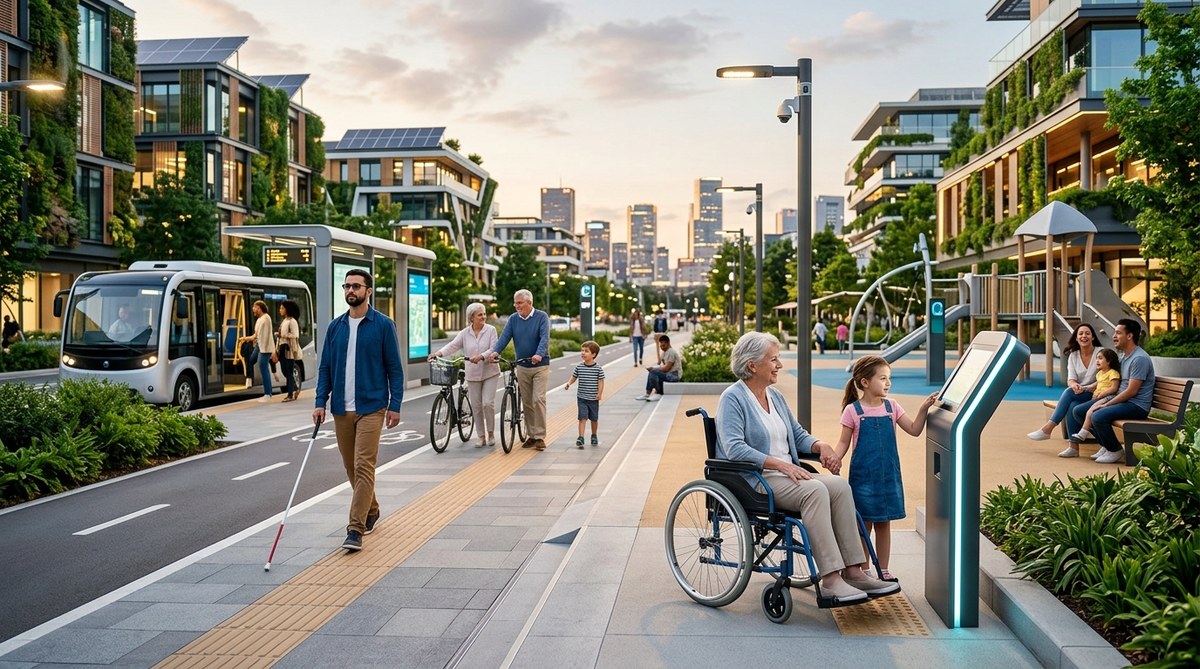
By making cities more responsive and efficient, data analytics directly benefits residents. Improved transportation reduces commute times. Smarter utility management lowers costs and environmental impact. Enhanced safety systems can predict and prevent emergencies.
Practical process for leveraging data insights
- Collect relevant data from sensors and other sources.
- Use analytics tools to identify patterns or anomalies.
- Prioritize issues based on impact and feasibility.
- Deploy targeted interventions.
- Measure results and adjust strategies accordingly.
Best practices for successful data-driven urban planning
- Maintain transparency with citizens about data collection and usage.
- Foster cross-departmental collaboration to share insights.
- Invest in staff training to build analytics expertise.
- Regularly update technology systems to stay ahead of evolving needs.
- Pilot projects before full-scale deployment to test effectiveness.
A look ahead at smarter, more sustainable cities
The future of urban living lies in continuous data-driven innovation. Cities that harness data analytics effectively will be more adaptable, resilient, and inclusive. As technology advances, so will the opportunities to improve quality of life through smarter infrastructure, smarter services, and smarter governance.
By adopting a strategic approach to data analytics, urban leaders can transform their cities into vibrant spaces where residents thrive. This journey requires collaboration, vision, and a willingness to embrace change. Start small, learn fast, and scale your efforts to create a truly smart city that meets tomorrow’s needs today.








Leave a Reply