
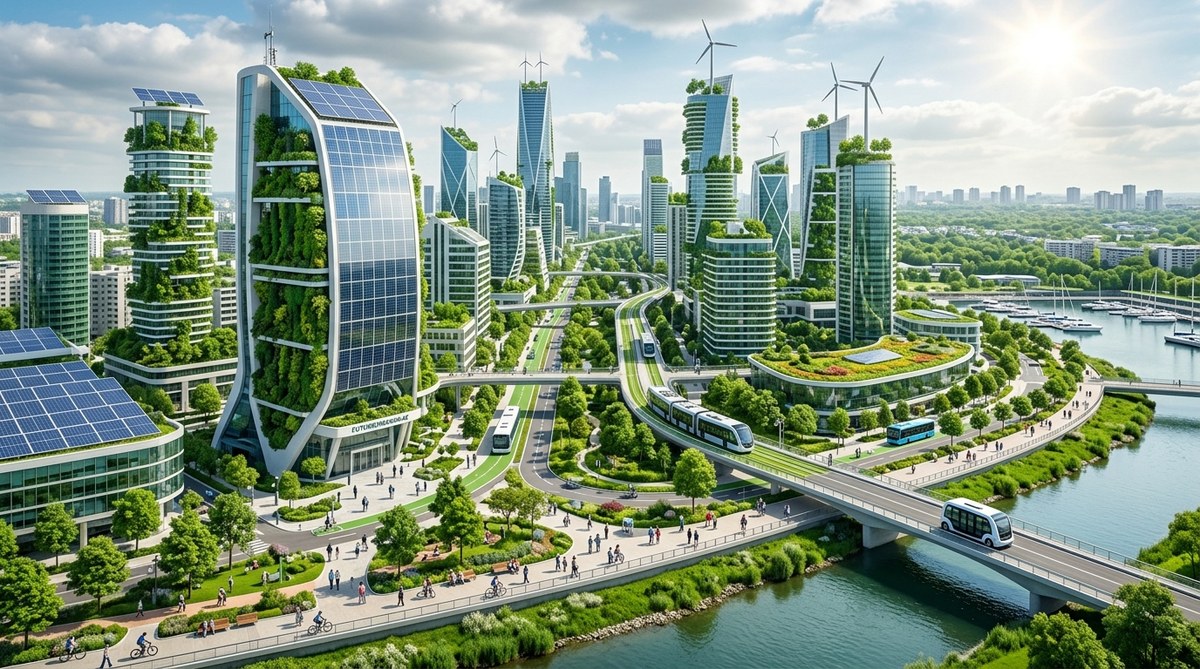
Urban landscapes are rapidly changing. Cities are no longer just places of dense populations and economic activity. They are becoming hubs of sustainability, innovation, and resilience. The future of green urban development holds the promise of healthier environments, smarter infrastructure, and communities that thrive while respecting the planet. As urban areas grow, so does the importance of integrating eco-friendly solutions that meet the needs of both people and nature.
The future of green urban development combines innovative technologies and planning strategies to create sustainable cities. Emphasizing energy efficiency, green infrastructure, and smart design, these developments aim for resilient urban ecosystems that benefit residents and the environment alike.
The Shift Toward Sustainable Urban Futures
Urban centers are facing unprecedented challenges, from climate change to resource scarcity. Responding to these pressures requires a paradigm shift. The future of green urban development involves rethinking how cities grow, operate, and serve their inhabitants. It is about weaving sustainability into every aspect of urban life, from building materials to transportation systems.
Emerging technologies and innovative planning principles cross traditional boundaries, pushing cities toward smarter, greener, and more adaptable models. This shift is not just an aspirational goal; it is a necessity for ensuring urban resilience and livability in the decades ahead.
Key Trends Driving Green Urban Development
1. Integration of Smart Technologies
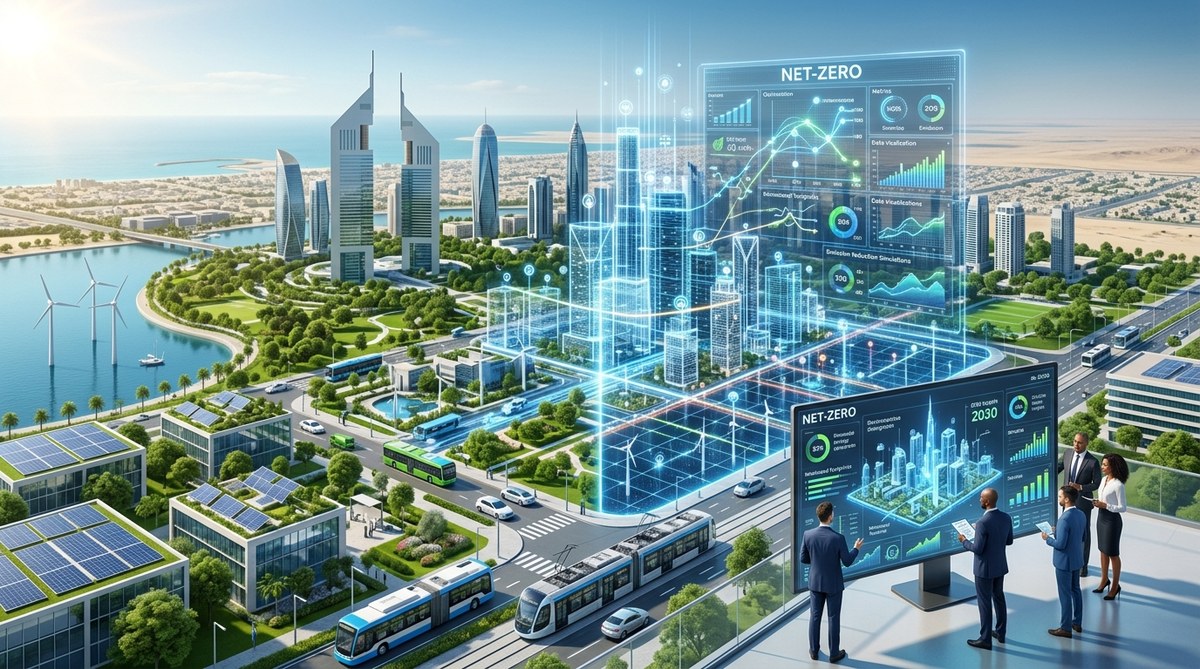
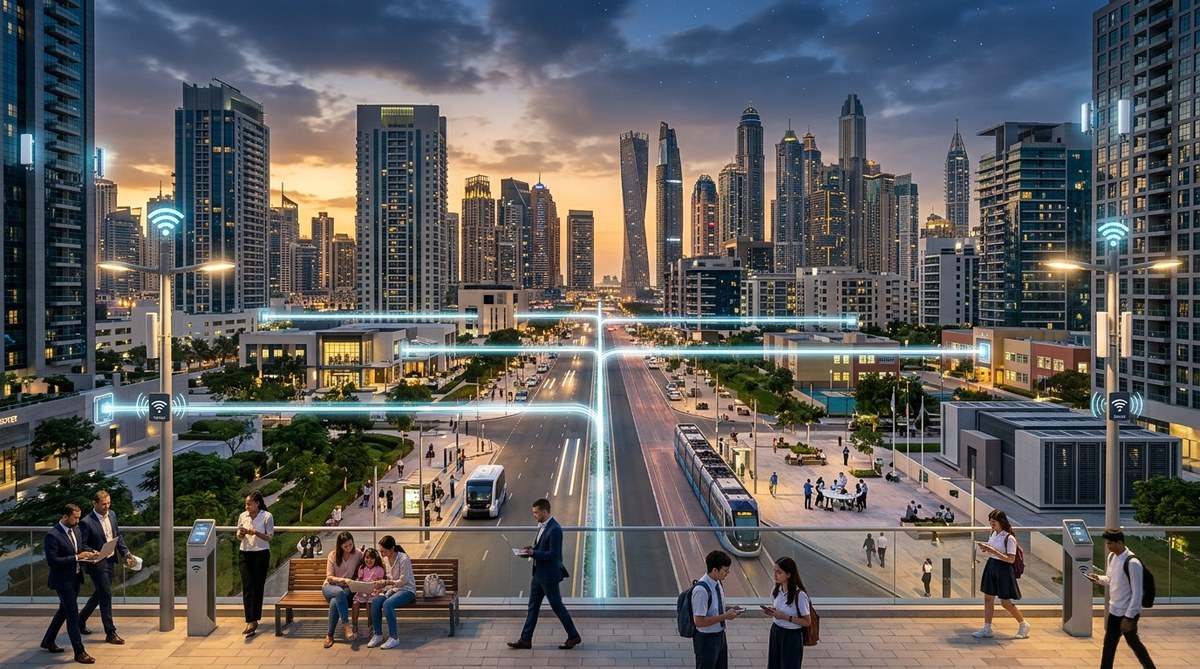
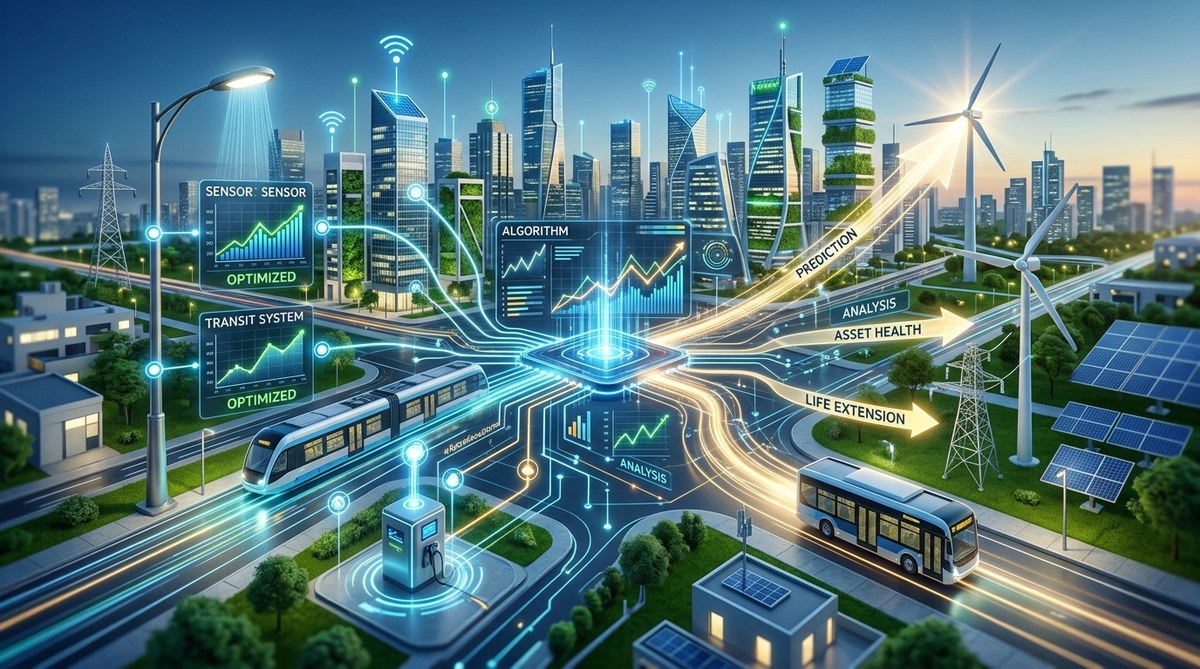
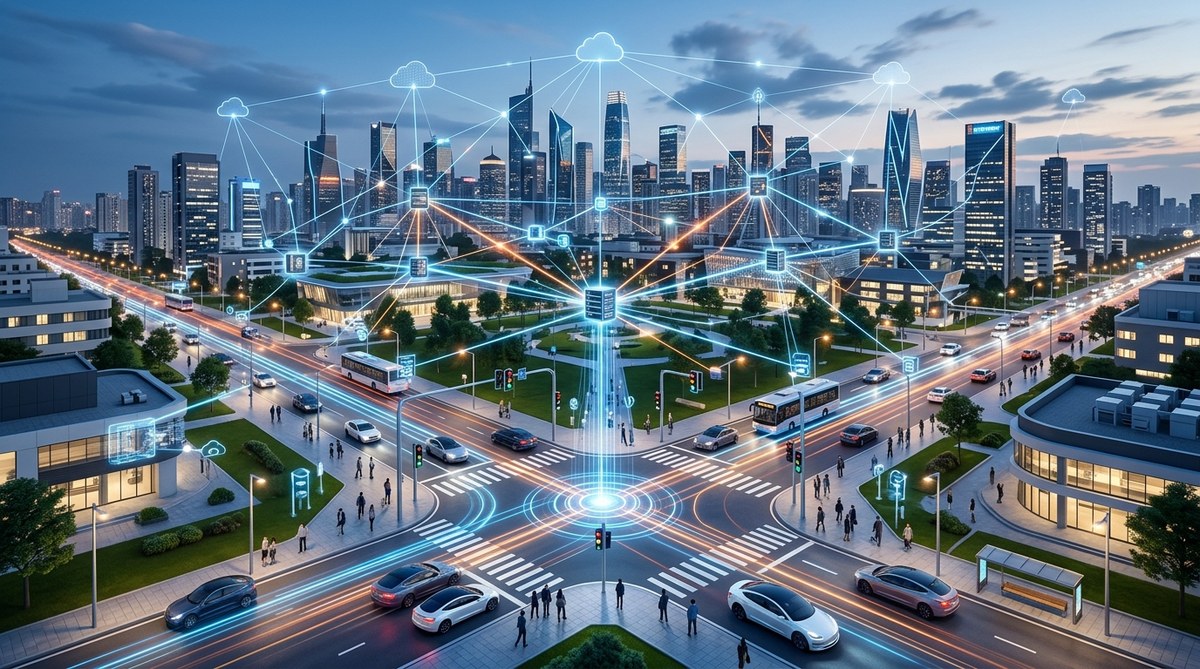
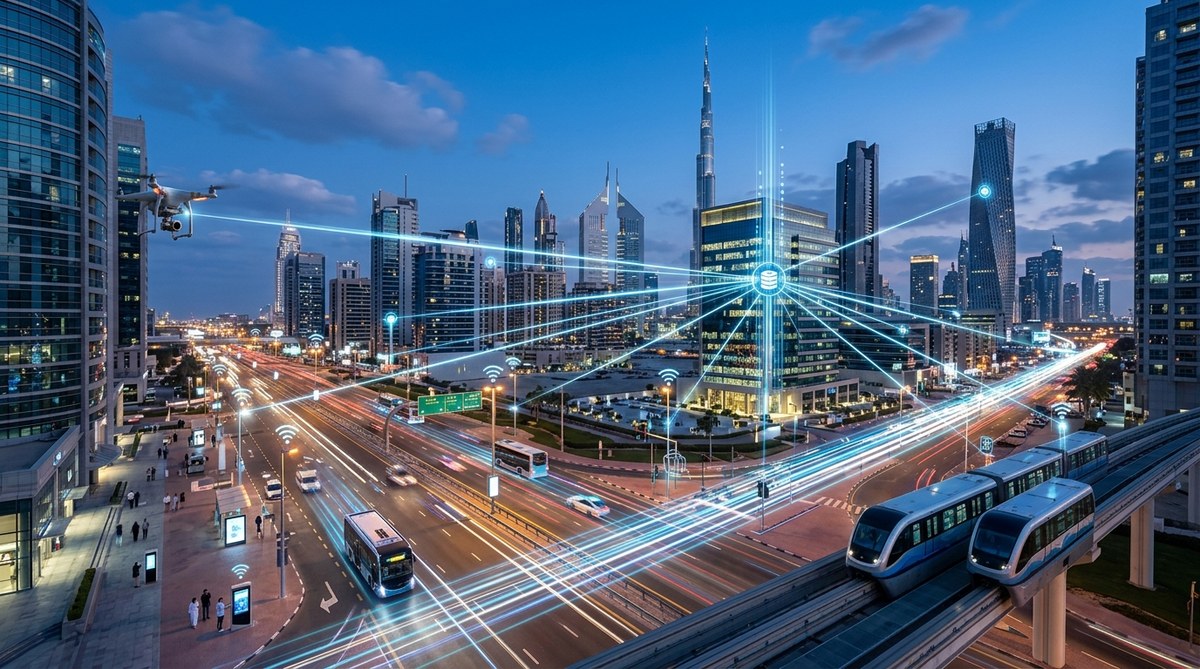
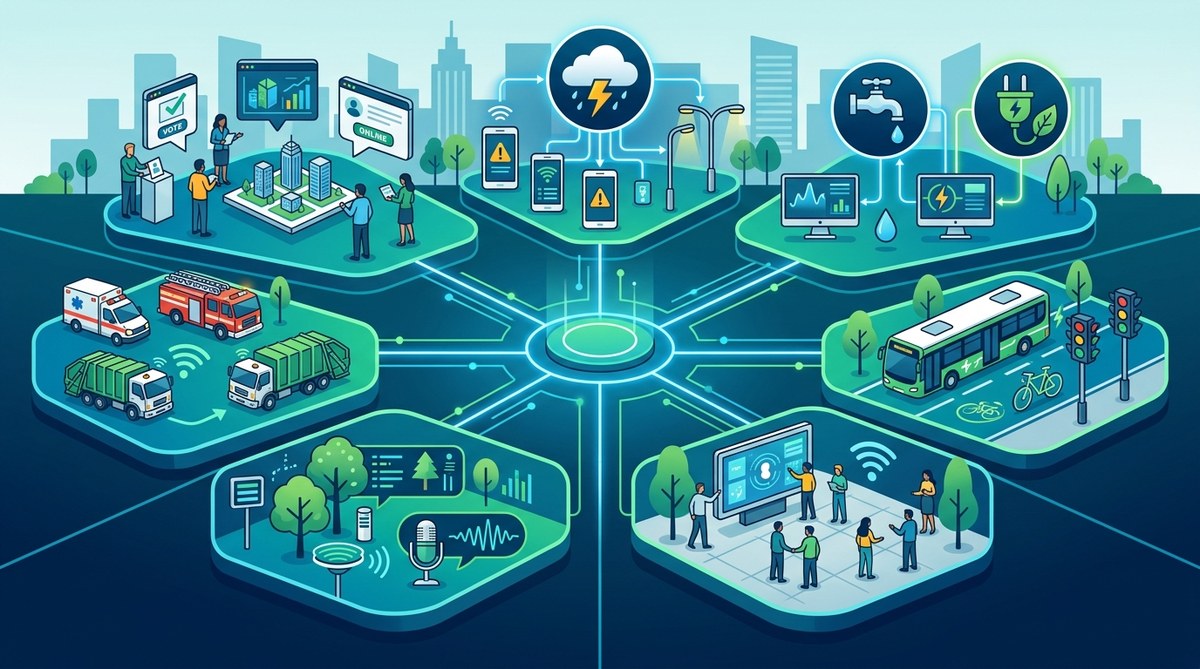
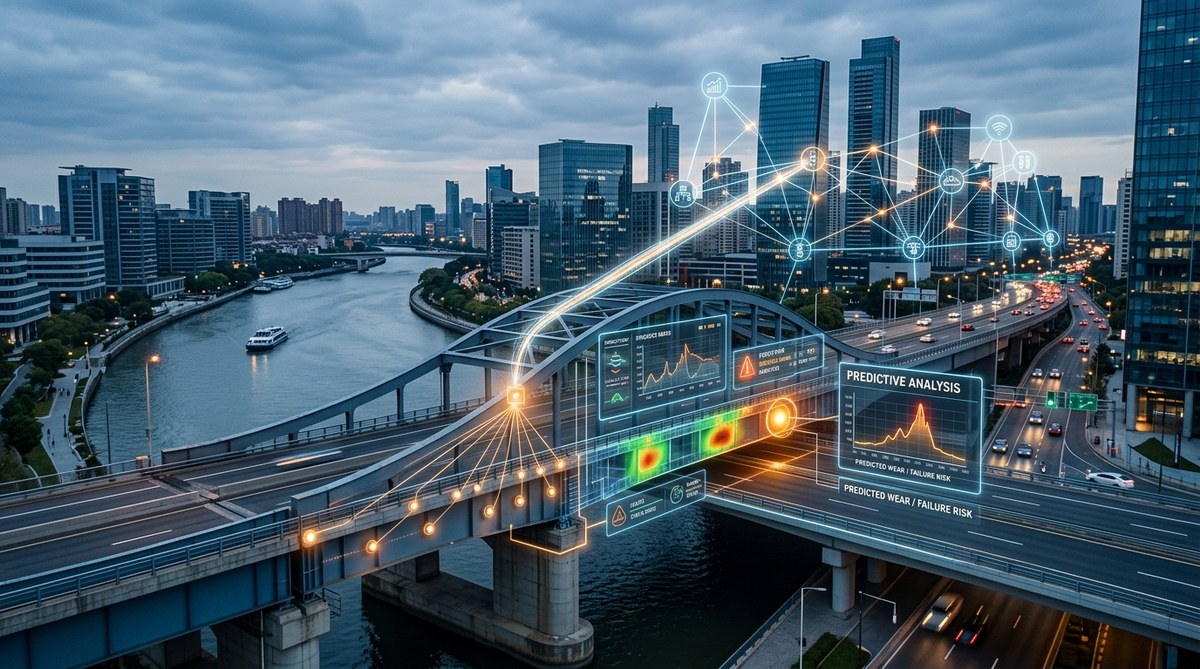
Smart city solutions are at the forefront of green urban development. Sensors, data analytics, and IoT devices enable real-time monitoring of energy use, traffic flow, waste management, and air quality. This integration allows cities to optimize operations, reduce emissions, and improve quality of life.
2. Green Building and Retrofitting
The built environment accounts for a significant share of global emissions. Future urban development emphasizes energy-efficient buildings, green roofs, and retrofitting existing structures. Technologies like passive design, solar panels, and advanced insulation reduce energy demand.
3. Sustainable Transportation
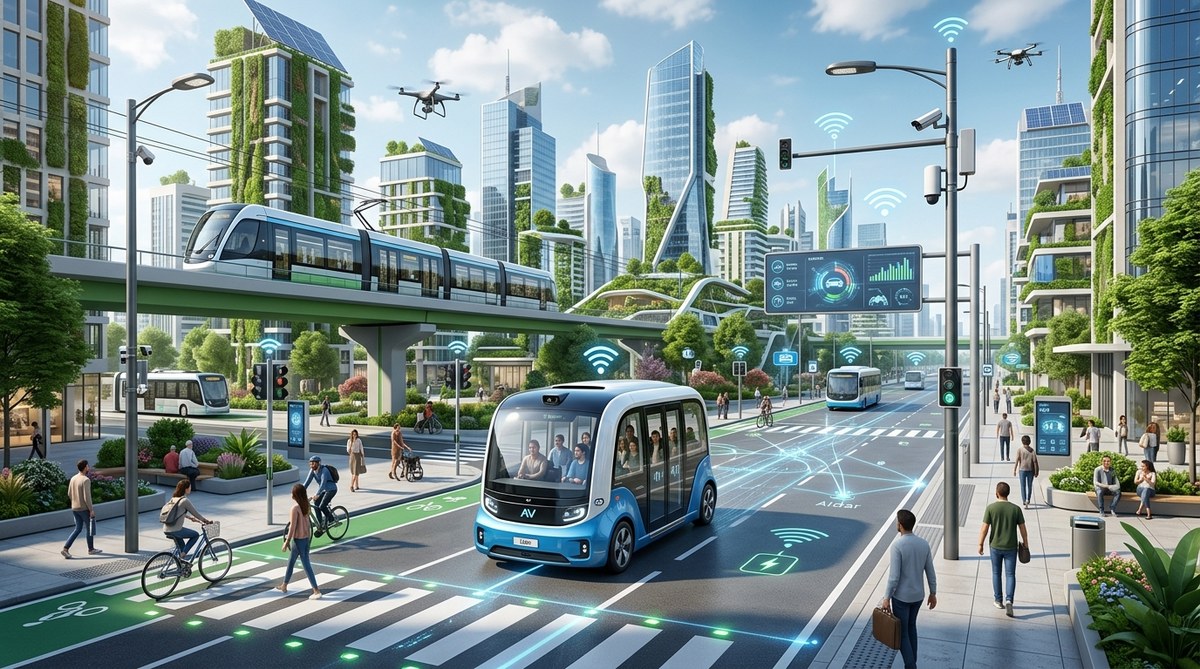
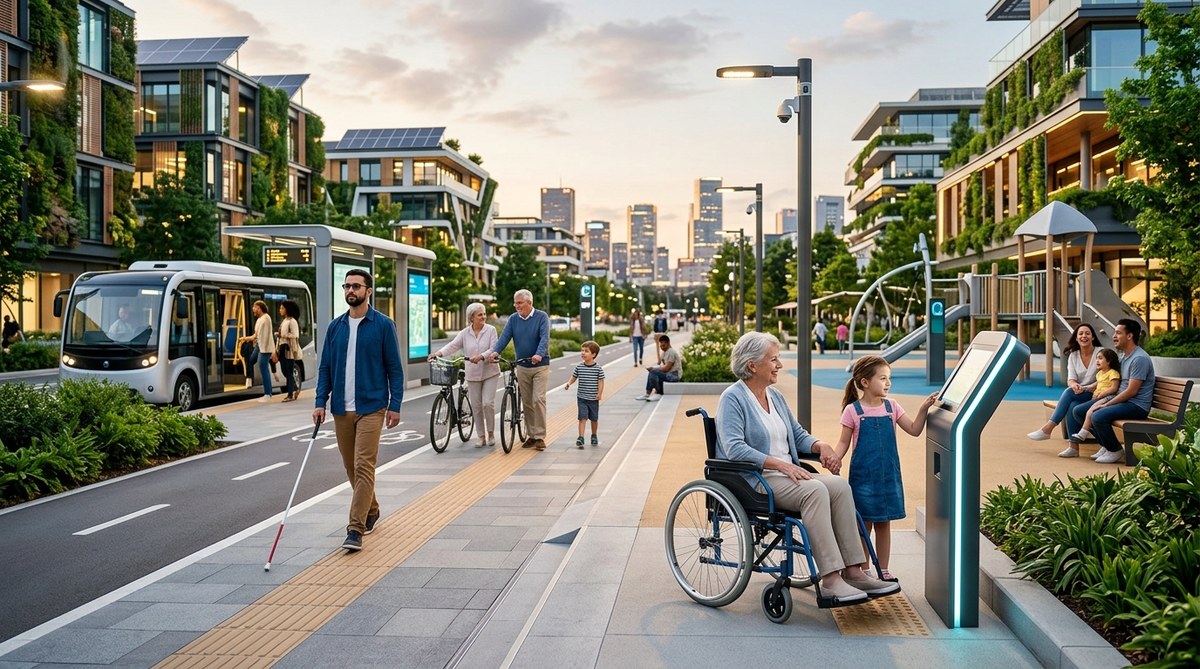
Electrification of public transit, bike-friendly infrastructure, and walkable neighborhoods are transforming urban mobility. Smart transportation systems help decrease reliance on fossil fuels, cut emissions, and enhance accessibility.
4. Green Infrastructure and Nature-Based Solutions
Cities are increasingly incorporating parks, wetlands, and green corridors to manage stormwater, reduce urban heat islands, and enhance biodiversity. These nature-based solutions foster healthier ecosystems within urban settings.
5. Circular Economy Practices
Waste reduction, recycling, and the use of biodegradable materials align with circular economy principles. Cities adopting these practices minimize environmental impact and promote resource efficiency.
Practical Steps for Implementing Green Urban Development
Urban planners, policymakers, and developers can follow these steps to embed sustainability into city growth:
-
Assess and Prioritize
Conduct comprehensive sustainability assessments to identify key areas for improvement. Prioritize interventions that offer the greatest environmental and social benefits. -
Embrace Smart Technologies
Integrate IoT, data analytics, and digital twin models to optimize city operations. Use these tools to monitor progress and adapt strategies dynamically. -
Design for Flexibility and Resilience
Create adaptable infrastructure that can evolve with future needs. Incorporate green spaces and resilient materials to withstand climate impacts. -
Engage Communities
Involve residents in planning processes to ensure solutions meet local needs. Education and awareness campaigns foster support for green initiatives. -
Implement and Monitor
Apply green building standards, promote sustainable transportation, and establish performance metrics. Regularly evaluate outcomes to guide continuous improvement.
Techniques and Common Pitfalls in Green Urban Development
| Techniques | Common Mistakes |
|---|---|
| Incorporating renewable energy sources | Overlooking local climatic conditions when choosing tech |
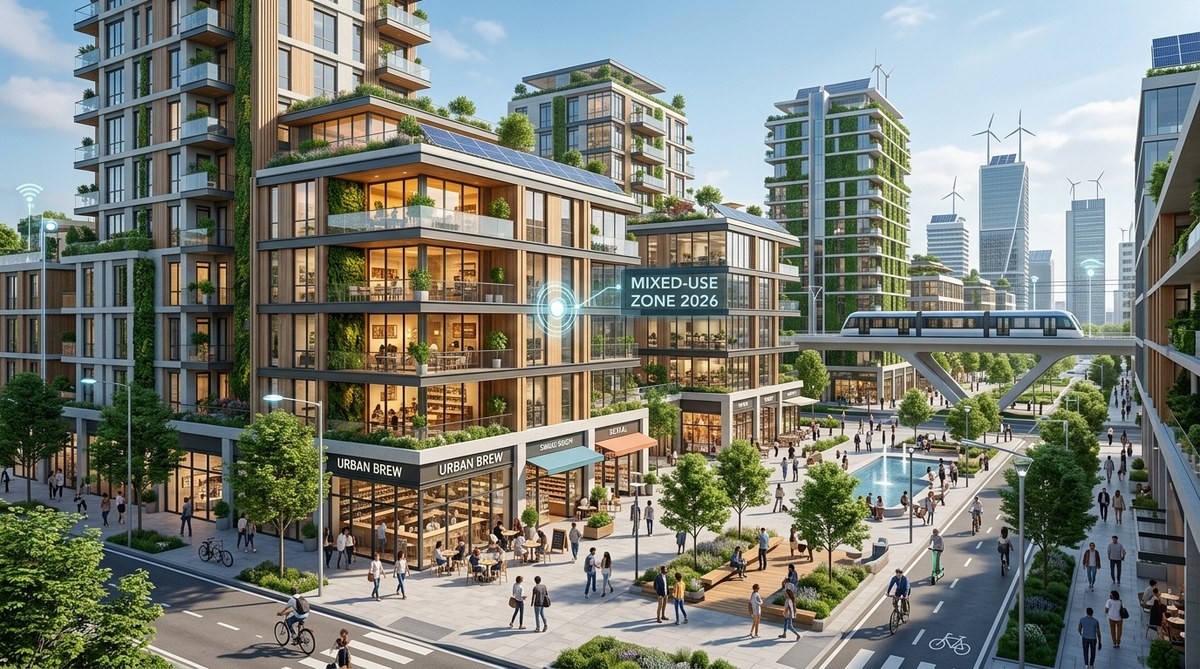
| Designing walkable, mixed-use neighborhoods | Ignoring community input during planning processes |
| Using eco-friendly, recycled materials | Underestimating maintenance costs of green infrastructure |
| Developing green roofs and walls | Focusing solely on aesthetics rather than functionality |
| Deploying smart traffic management systems | Relying on outdated data for decision making |
“Successful green urban development hinges on a holistic approach that balances technological innovation with community engagement,” advises urban sustainability expert Dr. Maya Lee.
Techniques to Advance Green Urban Development
- Urban canopy expansion to reduce heat islands
- Green corridors connecting parks and neighborhoods
- Renewable energy microgrids for localized power
- Water-sensitive urban design for stormwater management
Common mistakes to avoid
- Neglecting the social implications of green initiatives
- Over-relying on unproven technologies
- Underestimating the importance of ongoing maintenance
- Failing to involve local communities in planning
Case Studies of Pioneering Green Cities
Cities around the world are leading the way in sustainable urban development. For example, Singapore’s Garden City vision incorporates extensive green spaces and eco-friendly buildings. Copenhagen’s investments in cycling infrastructure and renewable energy have made it a model for urban sustainability. In the United States, Portland’s emphasis on green building codes and transit-oriented development showcases how policy can drive change.
These examples demonstrate that with strategic planning and innovative technologies, cities can significantly reduce their carbon footprint while enhancing residents’ quality of life.
The Role of Policy and Community Engagement
Effective policies are crucial for accelerating green urban development. Incentives for green building certifications, funding for renewable energy projects, and zoning reforms can facilitate sustainable growth. Equally important is engaging communities. When residents participate in decision-making, initiatives gain support and are more likely to succeed.
Educational programs and awareness campaigns foster a culture of sustainability. Cities that cultivate a shared sense of responsibility among citizens see better results in implementing green practices.
Looking Ahead: The Future of Green Urban Development
The future holds exciting possibilities. Advances in artificial intelligence and machine learning will enable even smarter city management. Emerging materials like carbon-negative concrete and biodegradable composites will redefine construction standards. Urban areas will become more resilient to climate impacts through innovative design and nature-based solutions.
Collaboration across sectors and borders will accelerate these developments. International networks and knowledge-sharing platforms will enable cities to learn from each other’s successes and challenges.
Final Thoughts: Building Green Cities for Tomorrow
The path toward sustainable cities requires commitment, innovation, and collaboration. By integrating emerging green technologies and adopting forward-thinking policies, urban areas can evolve into eco-friendly, resilient communities. The future of green urban development is not just about reducing environmental impact but also about creating vibrant, livable spaces that benefit everyone.
As urban planners, policymakers, and students, you play a vital role in shaping this future. Embrace the opportunities to implement sustainable solutions today. Small steps can lead to transformative changes that make cities healthier for generations to come.

Leave a Reply