
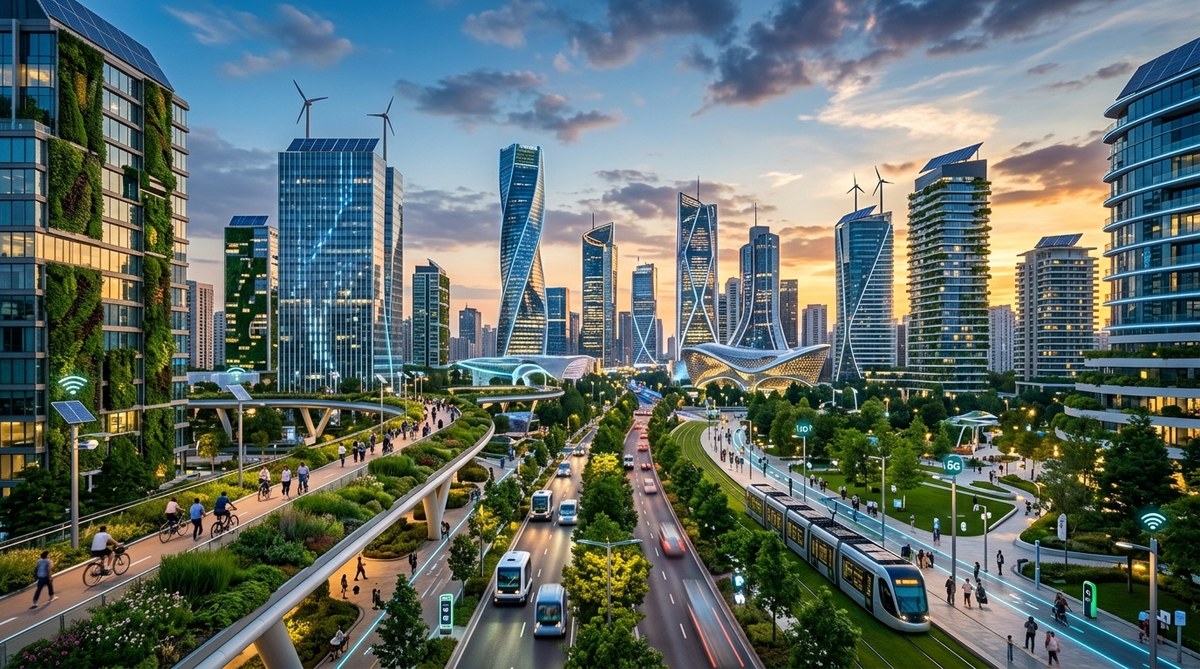
Urban landscapes are rapidly changing. Smart urban solutions are at the forefront of this transformation. They blend technology, innovation, and sustainability to create cities that are more livable, efficient, and resilient. As urban populations grow, the need for smarter, connected infrastructure becomes vital. These solutions are not just about technology but about rethinking how cities operate and serve their residents. They promise a future where urban life is cleaner, safer, and more adaptable to change.
Smart urban solutions are reshaping cities by integrating innovative technology and sustainable practices. They improve efficiency, enhance quality of life, and prepare urban areas for future challenges. Embracing these solutions is crucial for building resilient, connected, and eco-friendly cities that meet the needs of tomorrow’s residents.
Understanding the core of smart urban solutions
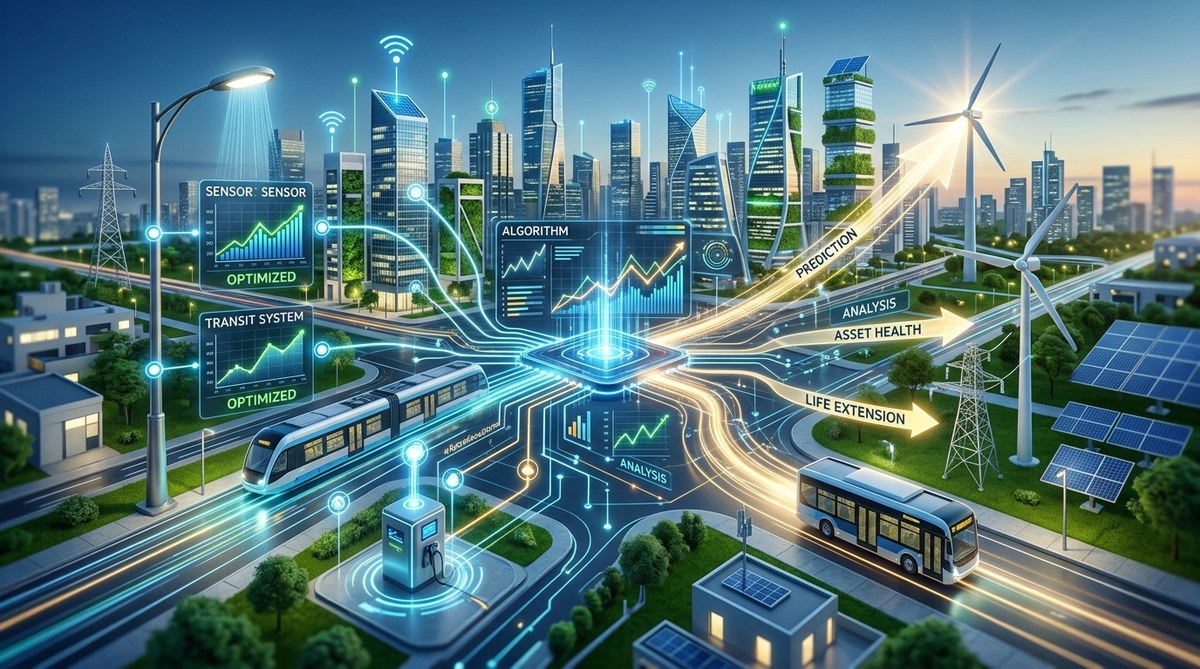
Smart urban solutions encompass a broad range of technologies and strategies designed to optimize city functions. They leverage the Internet of Things (IoT), artificial intelligence (AI), data analytics, and renewable energy. The goal is to create interconnected systems that respond dynamically to urban needs. From traffic management to waste collection, these innovations make city operations smoother and more sustainable.
Implementing smart urban solutions involves several practical steps:
- Assessing city needs and priorities: Understand what areas require immediate attention, such as traffic congestion, pollution, or public safety.
- Integrating digital infrastructure: Deploy sensors, connectivity networks, and data platforms.
- Engaging stakeholders: Collaborate with residents, businesses, and government agencies for inclusive planning.
- Piloting projects: Start with small-scale initiatives to test effectiveness and gather feedback.
- Scaling successful solutions: Expand proven strategies across the city for maximum impact.
Key technologies driving urban innovation
Smart urban solutions rely on a suite of advanced technologies. These tools work together to make city systems more efficient and responsive.
IoT sensors and data collection
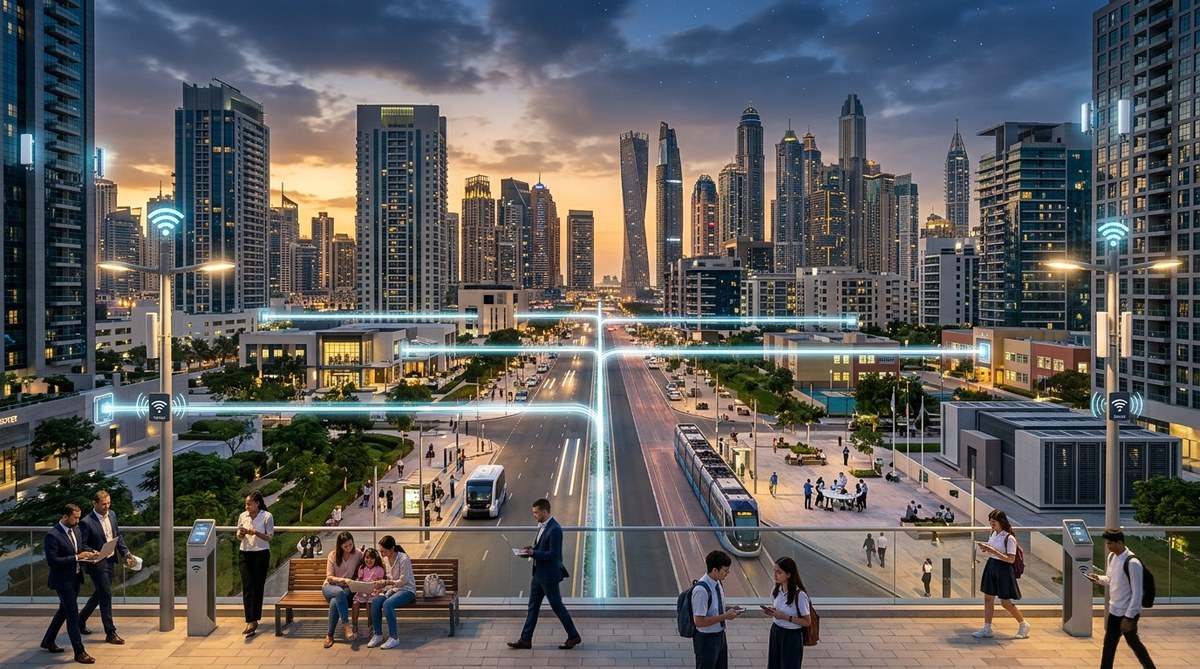
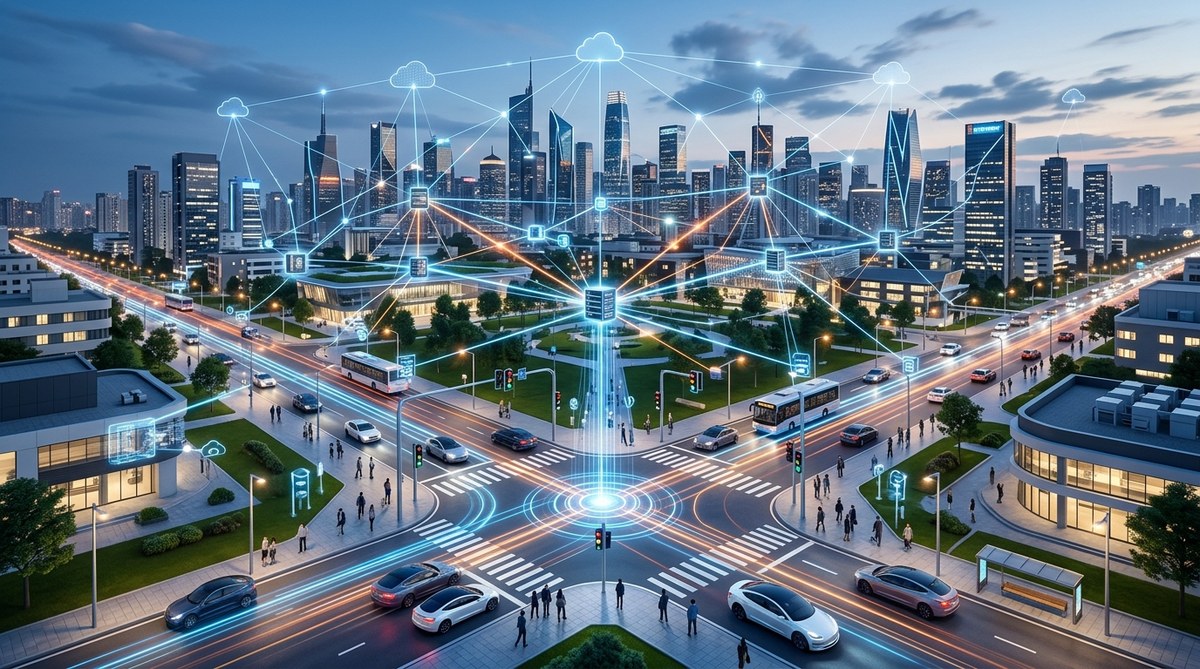
Sensors placed throughout the city monitor everything from traffic flow to air quality. They generate real-time data that informs decision-making. For example, smart traffic lights adjust based on vehicle flow, reducing congestion and emissions.
Artificial intelligence and machine learning
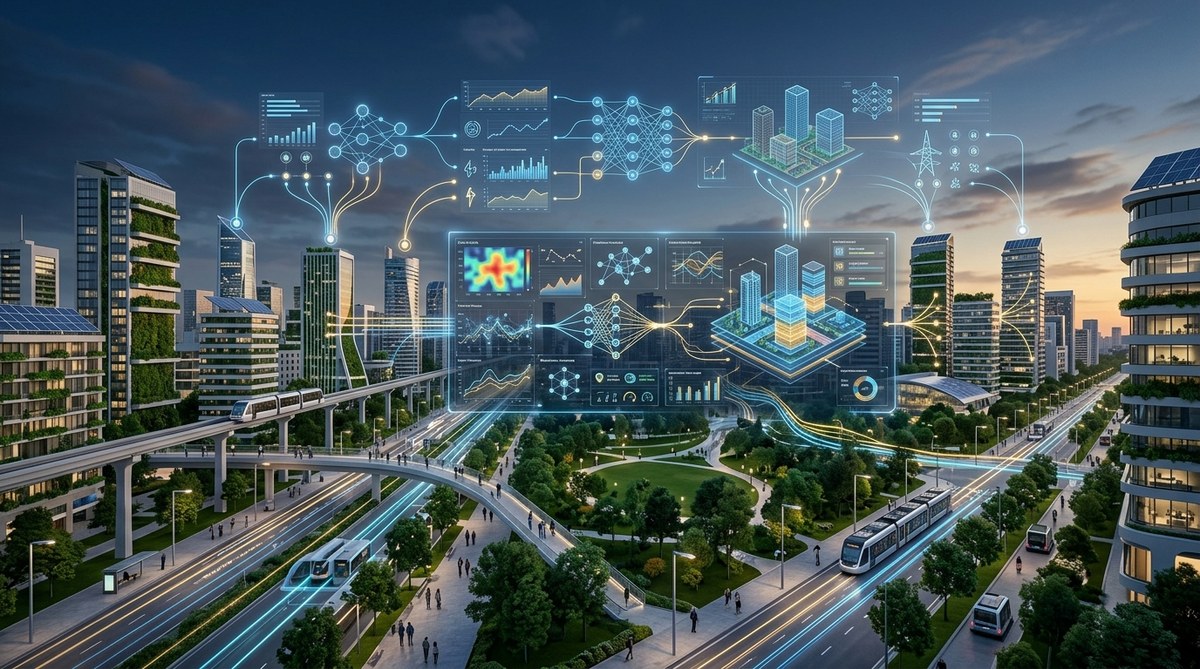
AI algorithms analyze data to predict trends and optimize city services. AI-powered chatbots improve citizen engagement, while predictive maintenance extends the lifespan of infrastructure.
Connected public transportation
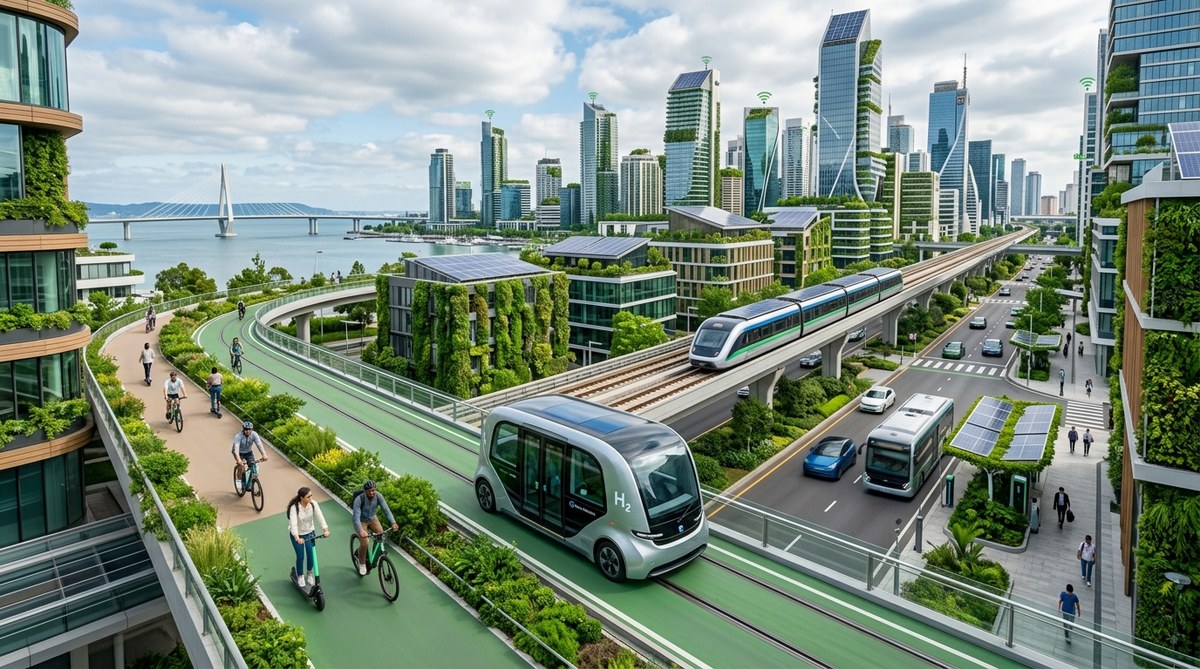
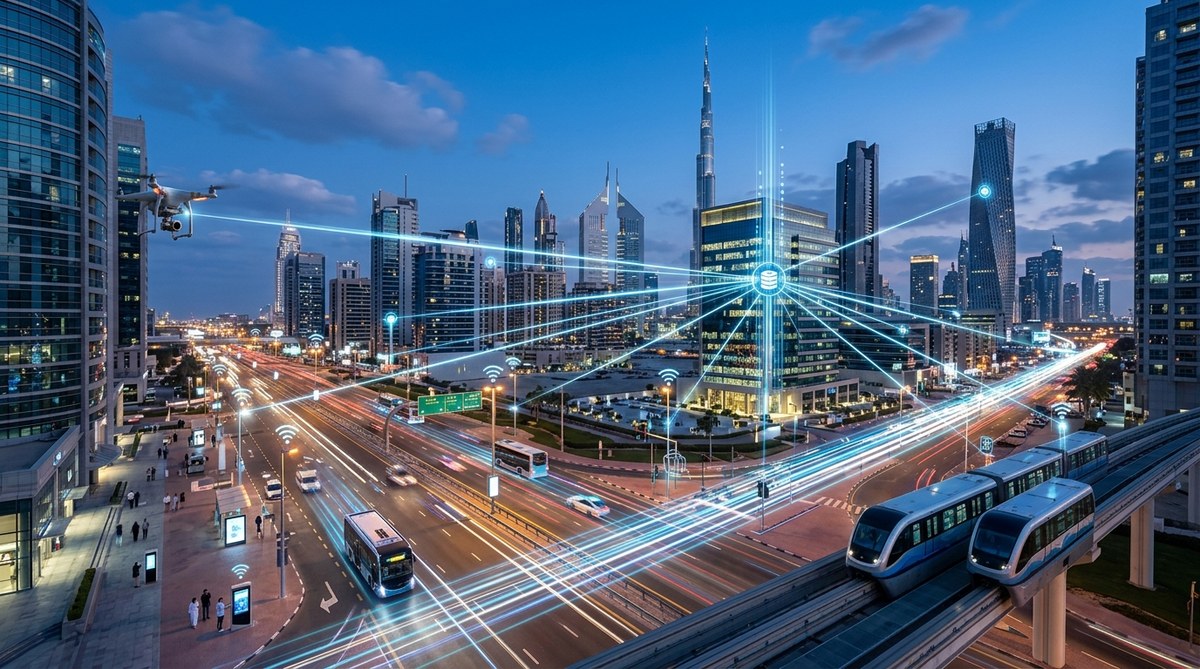
Smart transit systems use real-time data to provide accurate schedules and dynamic routing. This reduces wait times and encourages public transit use, easing road traffic.
Sustainable energy solutions
Smart grids and renewable energy integration make urban areas more energy-efficient. Buildings equipped with smart meters and automation systems reduce waste and costs.
Digital platforms for citizen engagement
Apps and online portals allow residents to report issues, access services, and participate in city planning. This fosters transparency and community involvement.
Practical steps to implement smart urban solutions
Cities looking to adopt these innovations can follow these structured approaches:
- Identify priority areas: Focus on issues that significantly impact quality of life, such as pollution or traffic.
- Develop a digital infrastructure roadmap: Plan for sensor deployment, connectivity, and data management.
- Partner with technology providers: Collaborate with experts to customize solutions suited to local needs.
- Pilot projects: Launch small initiatives like smart street lighting or waste monitoring to test concepts.
- Evaluate and scale: Use data insights to refine solutions and expand successful projects across the urban landscape.
Common challenges and how to overcome them
Despite the benefits, implementing smart urban solutions can face hurdles:
- Data privacy concerns: Citizens may worry about surveillance. Clear policies and transparent communication are vital.
- High initial costs: Infrastructure upgrades require significant investment. Public-private partnerships can help share costs.
- Legacy systems: Existing infrastructure might not be compatible. Phased integration minimizes disruptions.
- Technical complexity: Managing diverse technologies demands skilled personnel. Investing in training and partnerships is key.
| Technique | Common Mistakes | How to Avoid |
|---|---|---|
| IoT deployment | Overlooking data security | Implement encryption and access controls |
| AI analytics | Relying on biased data | Use diverse, high-quality data sets |
| Smart grid integration | Underestimating maintenance costs | Plan for ongoing support and updates |
| Citizen engagement platforms | Ignoring user feedback | Continuously refine based on user input |
“The future of urban living hinges on our ability to harness technology for sustainable growth. Smart solutions are not just tools but catalysts for creating cities that adapt and thrive.” – Urban innovation expert
Case studies showcasing successful smart urban transformations
Many cities worldwide serve as inspiring examples of smart urban solutions in action.
Singapore’s smart nation initiative
Singapore has integrated IoT, AI, and big data across sectors. Smart water meters, automated waste collection, and intelligent traffic systems have improved efficiency and sustainability. The city’s digital platforms foster active citizen participation, making it a model for future urban development.
Barcelona’s sensor-driven mobility
Barcelona deployed sensors for parking, traffic, and air quality monitoring. Smart parking apps reduced congestion and emissions. The city also uses data to optimize waste collection routes, saving resources and improving cleanliness.
Copenhagen’s energy-smart districts
Copenhagen invests heavily in renewable energy and smart grids. Buildings equipped with automation systems cut energy consumption. The city aims to become carbon neutral by 2030, demonstrating how technology can support ambitious climate goals.
The future landscape of urban living
Advancements in smart urban solutions will continue to evolve. Future cities may feature autonomous public transport, drone deliveries, and AI-driven urban planning. These innovations promise to make urban environments more resilient to climate change, pandemics, and other challenges.
Key focus areas for future development include:
- Enhanced data integration for holistic city management
- Greater citizen participation through digital platforms
- Sustainable infrastructure supporting circular economies
- Smart health systems for better public safety and emergency response
Cultivating a smarter city mindset
Urban planners and city officials must embrace continuous innovation. Building a future-ready city involves:
- Investing in scalable and adaptable technologies
- Fostering cross-sector collaborations
- Prioritizing inclusivity and privacy
- Staying informed about emerging trends and solutions
Final thoughts on shaping urban futures
Smart urban solutions are more than trends; they are essential tools for crafting cities that serve their citizens well. By embracing innovation and sustainability, cities can become vibrant, responsive, and resilient places to live. The journey begins with understanding needs, selecting the right technologies, and fostering community engagement. With proactive planning, urban areas can thrive in the face of tomorrow’s challenges.
Creating cities that adapt and grow
A future where urban environments are seamlessly connected and sustainable is within reach. Start small, think big, and keep pushing the boundaries of what’s possible. Every smart solution implemented today paves the way for a smarter, brighter city tomorrow.

Leave a Reply