
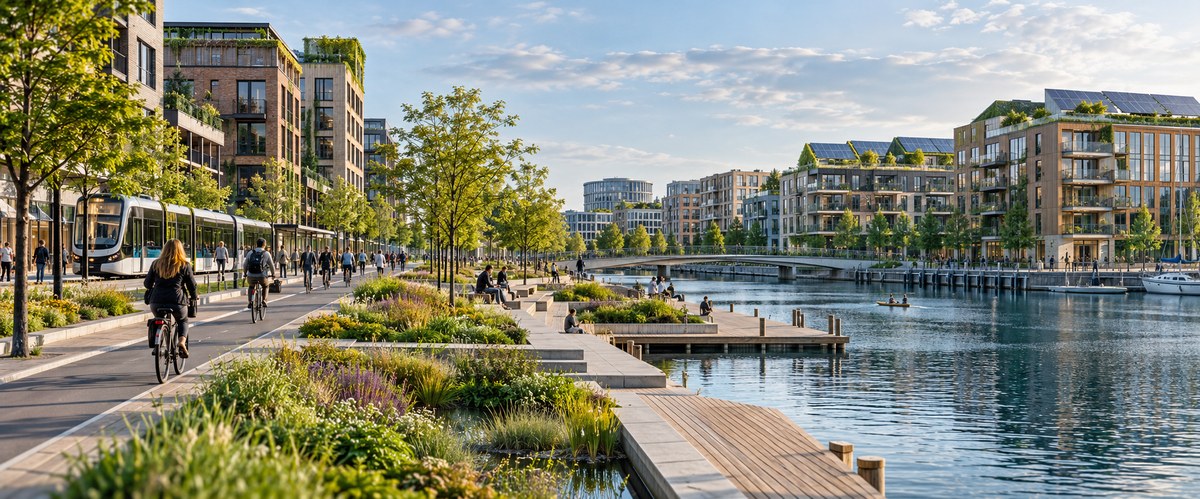
Copenhagen has a goal that sounds almost too ambitious: become the world’s first carbon neutral capital by 2025. And the city is well on its way. For urban planners and policy makers in the United States, Copenhagen’s approach is more than a nice story. It is a working blueprint. The Danish capital has proven that carbon neutral districts are not just possible. They are profitable, livable, and scalable.
Copenhagen’s carbon neutral districts succeed because they combine district energy systems, smart mobility, and data driven governance into one unified plan. Planners can copy these methods by focusing on integrated infrastructure, citizen buy in, and long term policy stability. The result is a district that cuts emissions while improving daily life.
The Core of Copenhagen’s Carbon Neutral Districts
Copenhagen does not treat carbon neutrality as a single project. It treats it as a system. The city’s districts work like a network of living labs. Each neighborhood tests new technologies and shares what works. The most famous example is the Nordhavn district, a former industrial port turned into a smart energy hub.
What makes these districts different? They connect heating, electricity, transport, and waste into one feedback loop. When a building generates excess heat, it feeds into the district heating grid. When a bus brakes, it sends energy back to the grid. Nothing is wasted.
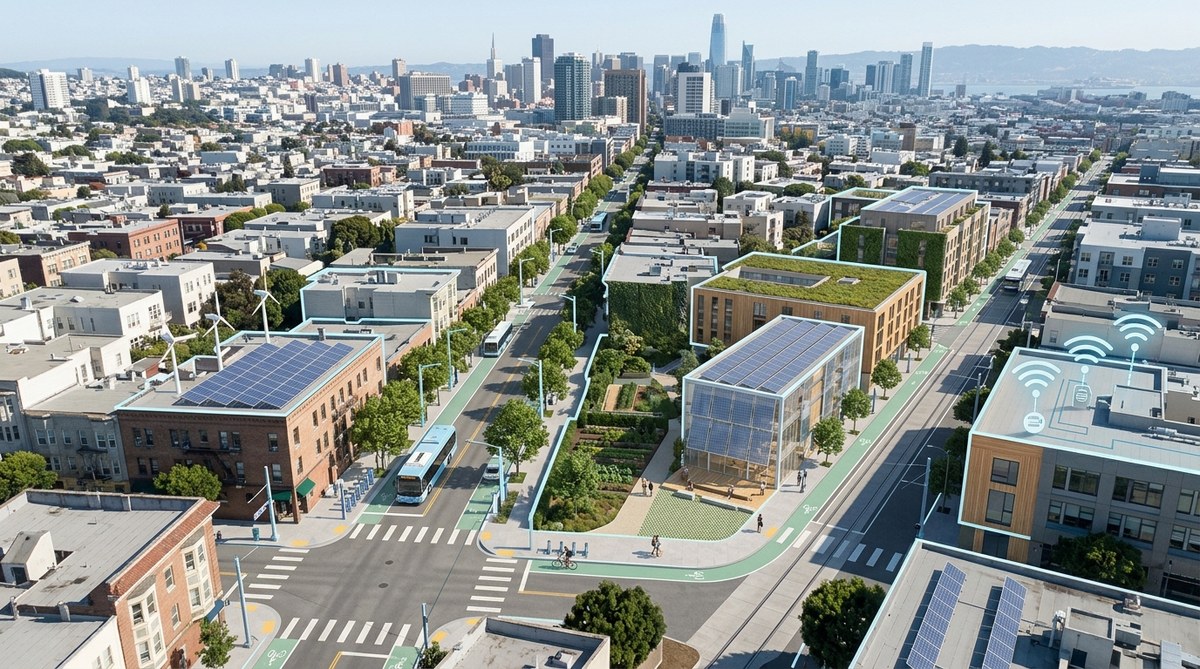
For planners in the US, this integrated thinking is the first lesson. Do not build separate systems for energy, water, and transit. Design them to talk to each other.
How District Energy Powers the Plan
Copenhagen’s district heating system is the backbone of its carbon neutral districts. Pipes carry hot water from waste to energy plants and biomass facilities directly into homes and offices. This system covers 98 percent of the city. It is efficient, affordable, and low carbon.
The city also uses seawater for cooling. In the summer, cold water from the harbor runs through pipes to cool buildings. This cuts electricity use for air conditioning by up to 80 percent.
Here is a comparison of how Copenhagen’s approach differs from typical US district planning:
| Factor | Typical US Approach | Copenhagen Approach |
|---|---|---|
| Heating source | Natural gas boilers per building | Centralized waste to energy and biomass |
| Cooling method | Electric AC units | Seawater cooling and heat pumps |
| Energy grid | Separate from heating | Integrated with district heating |
| Data use | Limited to billing | Real time monitoring for load balancing |
| Resident role | Passive consumer | Active prosumer with smart meters |
The table shows a clear pattern. Copenhagen uses infrastructure that does double duty. Every system serves more than one purpose.
Smart Mobility That Reduces Emissions
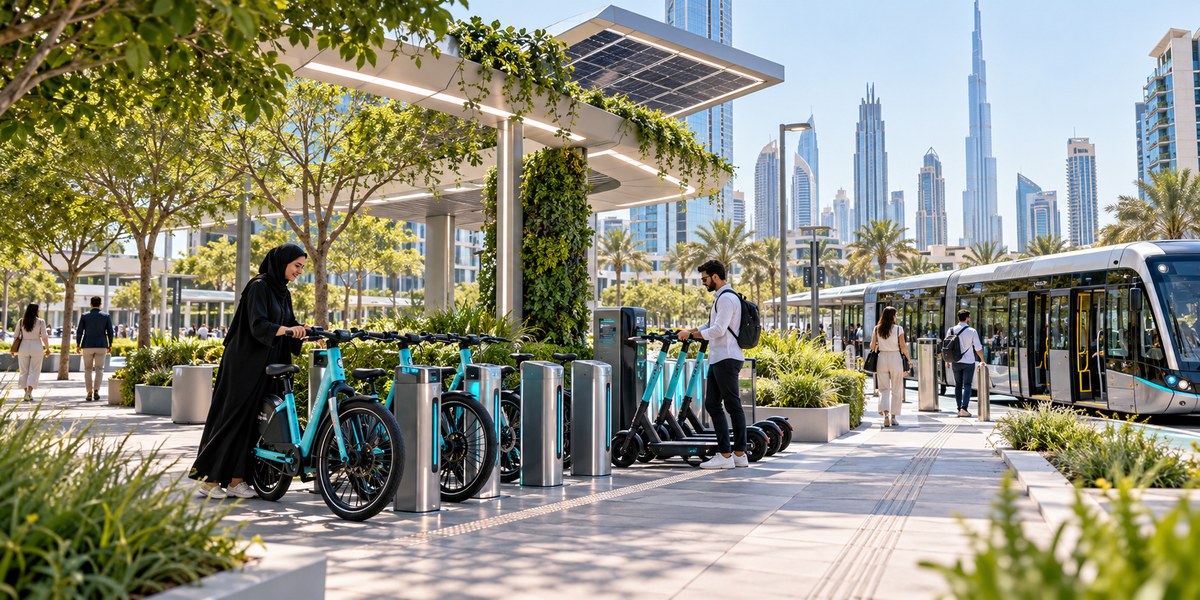
Copenhagen is famous for bikes. More than 60 percent of residents commute by bicycle. But the city did not get there by accident. It built dedicated bike highways, synchronized traffic lights for cyclists, and gave bikes priority at intersections.
For car traffic, the city uses congestion pricing and smart parking sensors. Drivers pay more to enter the central district during peak hours. Parking spaces have sensors that guide drivers to open spots, reducing the time spent circling blocks.
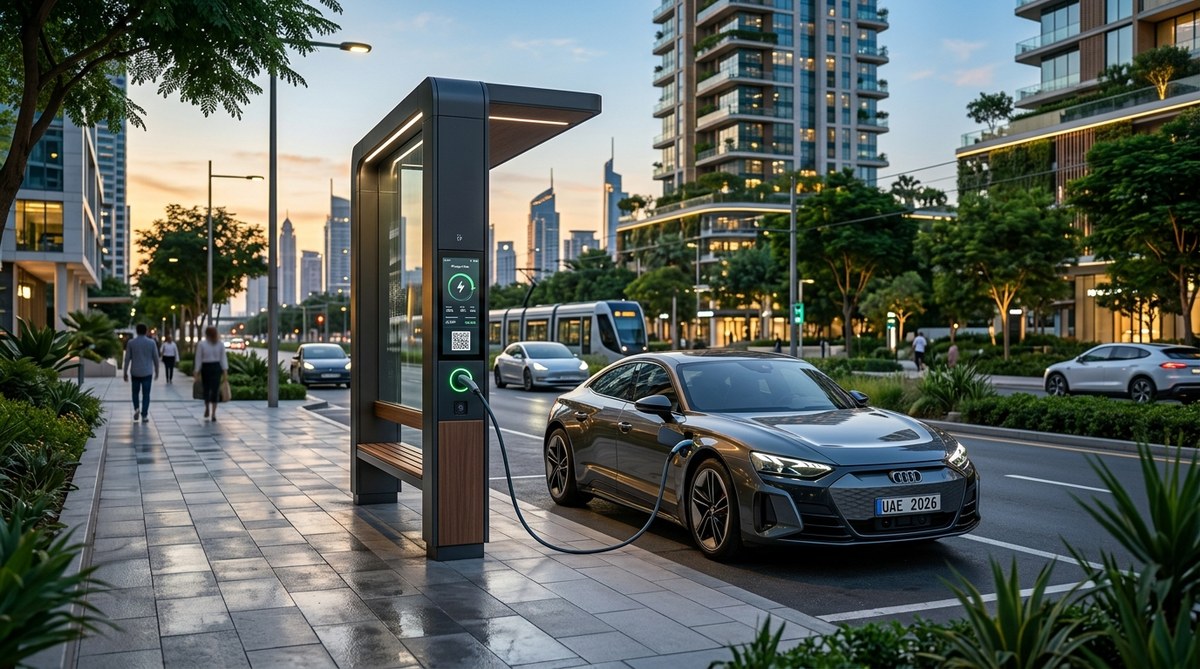
Electric vehicles get priority parking and charging stations. The city also uses data from traffic cameras and GPS to adjust traffic light timing in real time. This reduces idling and cuts emissions from cars waiting at red lights.
What can US planners copy from this? Build dedicated bike lanes that connect directly to transit hubs. Use dynamic pricing for parking and congestion. And make sure your transit system talks to your energy grid.
A Practical Process for Planners
If you want to apply Copenhagen’s lessons to your own city, follow this numbered list. It outlines the steps used by Copenhagen’s planning department.
- Map your district’s energy flows. Find where heat is wasted and where cooling is needed. Look for factories, data centers, and large buildings that produce excess heat.
- Design a district energy loop. Connect these sources with pipes or wires. Use waste heat for nearby buildings. Use seawater or ground source heat pumps for cooling.
- Integrate mobility and energy. Plan bike lanes and transit routes that reduce car dependency. Install EV charging stations powered by the district energy grid.
- Install sensors and smart meters. Monitor energy use, traffic flow, and air quality in real time. Share this data with residents and businesses.
- Create a feedback system. Use the data to adjust heating, cooling, and traffic signals automatically. Let residents see their own energy use and compare it to neighbors.
“Copenhagen’s success is not about one big technology. It is about connecting many small technologies into a system that works together. Planners should focus on integration, not innovation for its own sake.” – Henrik Sørensen, Copenhagen Chief Urban Planner
Data and Citizen Engagement
Smart city planning without citizen buy in fails. Copenhagen learned this early. The city runs regular workshops where residents can test new technologies and give feedback. When the city planned a new bike bridge, it held public meetings and let people vote on the design.
Data is shared openly. The city has a public dashboard that shows real time energy use, air quality, and traffic patterns. Residents can see how their neighborhood performs. This transparency builds trust and encourages people to change their behavior.
For example, when residents saw that their building used more heating than the building next door, they asked their landlord to improve insulation. The data drove action without a city mandate.
US cities can use similar tools. Start with a public data portal. Share energy use for city buildings. Let residents see the impact of their choices. This approach is covered in more detail in our guide on how smart city dashboards are revolutionizing urban planning in 2026.
Common Mistakes and How to Avoid Them
Copenhagen learned from its own mistakes. Here are three common pitfalls and how the city avoided them.
- Mistake: Building separate systems. Many cities build a new energy grid without connecting it to transit or waste. Copenhagen learned that integration saves money and cuts emissions faster.
- Mistake: Ignoring the existing buildings. New construction is easier to make carbon neutral. But most buildings in a city already exist. Copenhagen retrofits old buildings with better insulation, smart meters, and heat pumps.
- Mistake: Forgetting about equity. Carbon neutral districts can become expensive neighborhoods. Copenhagen includes affordable housing in every district and uses public funds to help low income residents retrofit their homes.
The Role of Policy and Long Term Planning
Copenhagen’s carbon neutral districts did not happen overnight. The city started planning in the 1990s. It set a goal for 2025 and has stuck with it through changes in government. Policy stability matters.
The city uses a mix of regulations, incentives, and public investment. Building codes require new construction to meet strict energy standards. Tax breaks encourage retrofits. The city invests in district heating pipes and bike lanes directly.
For US planners, the lesson is clear. Carbon neutral districts need a long time horizon. Start with a 10 year plan. Build in milestones. And make sure the plan survives political changes.
One useful tool is the digital twin. Copenhagen uses a digital model of the entire city to test changes before building them. This saves money and prevents mistakes. For more on this topic, read about how urban digital twins can help cities achieve net zero emissions by 2030.
What Copenhagen’s Districts Look Like Today
Walking through Nordhavn, you see the future. Old warehouses have been turned into apartments with green roofs. Solar panels cover every flat surface. Electric cargo bikes share the road with autonomous shuttles.
The district has its own microgrid. When the sun shines, solar panels power the buildings. When it is cloudy, the district heating plant takes over. Batteries store excess energy for use at night.
Residents report lower energy bills and better air quality. The district is quieter because there are fewer cars. Children walk or bike to school safely.
This is not a science experiment. It is a functioning neighborhood that other cities can copy.
A Blueprint for Your City
You do not need to be Copenhagen to build a carbon neutral district. You need a plan, the right partners, and a willingness to try new things. Start small. Pick one neighborhood. Map its energy flows. Engage the residents. Build a district heating loop. Add bike lanes and smart traffic lights. Measure everything.
The lessons from Copenhagen carbon neutral districts and smart city planning are clear. Integration beats isolation. Data drives action. Citizens are partners, not passengers. And long term thinking pays off.
For more strategies on building smarter urban infrastructure, check out our article on innovative strategies for building smarter urban infrastructure. And if you want to learn how to retrofit existing neighborhoods, our guide on 5 blueprints for retrofitting existing neighborhoods into smart sustainable districts is a great next step.
Your Next Move Starts Today
Copenhagen shows us that carbon neutral districts are not a distant dream. They are a practical reality. The city has the data, the systems, and the community support to prove it. Every planner who visits leaves with a notebook full of ideas.
Now it is your turn. Pick one lesson from this article and apply it this week. Maybe it is mapping your district’s energy flows. Maybe it is starting a public data dashboard. Maybe it is just talking to your local waste to energy plant about how they could heat nearby homes.
The path to carbon neutrality is built one district at a time. Copenhagen has already laid the first bricks. The rest is up to us.








Leave a Reply