
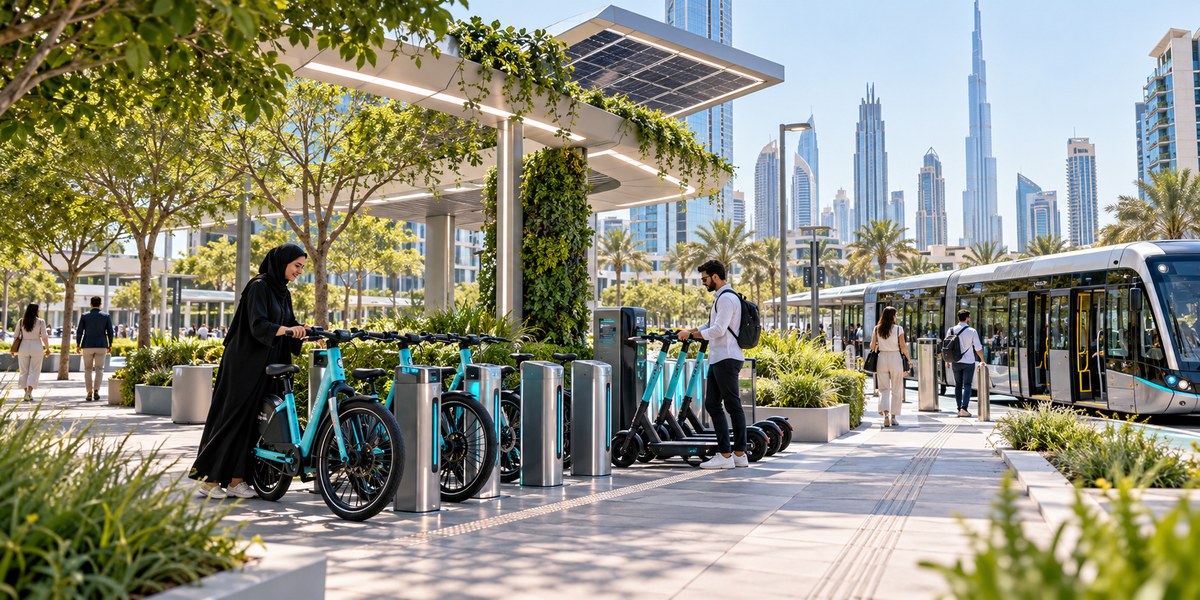
Smart city micro-mobility hubs are transforming the last mile in 2026 by combining e-scooters, bikes, and cargo cycles with real-time data, solar charging, and seamless transit links. For planners, these hubs reduce congestion, cut emissions, and improve equity. This article covers the core design principles, common pitfalls, and a step-by-step implementation roadmap.
The commute from a train station to an office used to be a frustrating gap. You would walk twenty minutes, wait for a bus that never came, or pay too much for a ride-share. That gap is now closing. Across the United States, cities are installing smart city micro-mobility hubs that make the last mile feel like the best part of the trip. These are not just bike racks with a coat of paint. They are intelligent, connected platforms that blend e-scooters, electric bikes, cargo cycles, and real-time data into one seamless network. For urban mobility planners and transportation officials, 2026 is the year these hubs move from pilot projects to core infrastructure.
What Makes a Micro-Mobility Hub Smart in 2026
A standard bike rack does not communicate with a traffic light. A smart hub does. The difference lies in three layers: physical design, digital integration, and operational intelligence.
Physical design means more than shelter. Hubs in 2026 include solar-powered charging stations for e-bikes and e-scooters, secure locking mechanisms, and dedicated spaces for cargo bikes used by delivery services. They are placed at transit nodes, near apartment complexes, and along commercial corridors.
Digital integration connects the hub to a city’s mobility-as-a-service platform. A rider can open a single app, see available vehicles at the nearest hub, reserve one, and pay for the trip. The hub itself reports occupancy data, battery levels, and maintenance needs in real time.
Operational intelligence uses that data to rebalance vehicles. If too many scooters pile up at a hub near a stadium after a game, the system alerts operators to redistribute them. This prevents clutter and keeps sidewalks clear.
The Last-Mile Problem These Hubs Solve
The last mile has always been the weak link in urban transit. A person might take a train for twenty miles, then face a twenty-minute walk or a ten-minute wait for a bus that only comes every half hour. That friction discourages public transit use altogether. According to the American Public Transportation Association, nearly 40 percent of transit trips end with a last-mile gap that adds more than fifteen minutes to the journey.
Smart city micro-mobility hubs 2026 address this directly. They place the right vehicle at the right moment. A commuter stepping off a light-rail train in Denver can walk fifty feet to a hub, unlock an e-bike, and pedal to their office in six minutes. The same trip by car would take twelve minutes in traffic plus another eight looking for parking.
How to Design and Deploy a Hub Network: A Numbered Process
Implementing a hub network requires more than dropping hardware on a corner. Here is a practical five-step process used by cities that have succeeded.
-
Audit existing transit nodes and travel patterns. Use anonymized mobile data, transit card swipes, and traffic counts to identify where people start and end their trips. Look for high-density residential areas within a half-mile of train stations, plus commercial zones where parking is scarce.
-
Select hub locations based on demand and equity. Prioritize neighborhoods that have been underserved by traditional transit. A hub in a low-income area can provide affordable access to e-bikes and scooters, reducing reliance on expensive ride-hails. Map out a grid so that no two hubs are more than a ten-minute walk apart.
-
Design the physical footprint with modular components. Start with a basic structure: a solar canopy, ten docks for e-bikes, and a digital kiosk. Plan for expansion. If demand grows, add more docks, cargo bike slots, or even a small repair station. Modular design keeps upfront costs low.
-
Integrate with existing mobility apps and payment systems. The hub should work with the same app residents already use for bus tickets or train passes. No one wants to download a fifth app. Open APIs allow third-party operators to participate, which increases vehicle availability.
-
Set up a data dashboard for ongoing operations. Monitor occupancy rates, average wait times, and vehicle distribution. Use the data to adjust pricing, add capacity, or relocate hubs. Share anonymized data with city planners to inform future transit investments.
Common Mistakes and How to Avoid Them
Even well-intentioned projects can stumble. The table below outlines frequent pitfalls and the smarter approach.
| Mistake | Why It Happens | How to Avoid It |
|---|---|---|
| Placing hubs only in wealthy neighborhoods | Planners follow the path of least resistance and partner with private operators who prefer high-income zones | Use an equity scoring tool that factors in income, transit access, and population density. Require operators to serve all zones. |
| Ignoring maintenance and rebalancing | The hub is installed but no one is responsible for moving vehicles or fixing broken docks | Include a service-level agreement in operator contracts. Set a maximum time for rebalancing (e.g., two hours after an alert). |
| Failing to integrate with public transit schedules | The hub exists but the bus or train does not align with peak micro-mobility demand | Coordinate scheduling data between the hub platform and the transit agency. Offer timed transfers or discounts for multimodal trips. |
| Using a single vendor for all hardware and software | Lock-in leads to high costs and limited flexibility | Require open standards and interoperable APIs. Allow multiple vendors to compete for dock and vehicle contracts. |
Real-World Case Studies from 2026
Several U.S. cities have already moved from planning to deployment. Their experiences offer lessons for any municipality.
Minneapolis launched a network of thirty hubs along the Blue Line light-rail corridor. Each hub includes ten e-bike docks and four cargo bike slots for local delivery services. Within six months, the number of people using transit for the full commute increased by 14 percent. The city attributes the gain to the guaranteed availability of a vehicle at the end of the train ride.
Austin took a different approach. Instead of building city-owned hubs, the municipal government created a permitting system for private operators. Companies like Lime and Spin can install hubs on public right-of-way if they meet equity and data-sharing requirements. The result is a dense network of more than 120 hubs across the city, with no direct cost to taxpayers.
Portland focused on retrofitting existing bus shelters. By adding smart docking stations and solar panels to shelters along high-ridership routes, the city turned ordinary stops into multimodal hubs. The cost per location was about 40 percent lower than building a standalone hub from scratch.
Key Technologies Powering These Hubs
The hardware matters, but the software is what makes a hub smart. Here are the essential components.
- IoT sensors in each dock detect when a vehicle is present, its battery level, and whether it needs maintenance. This data flows to a central platform.
- Solar panels on the canopy charge the onboard batteries of e-bikes and scooters. In sunny cities like Phoenix, the panels generate enough power to keep vehicles topped up without grid connection.
- Edge computing units process data locally rather than sending everything to the cloud. This reduces latency. If a hub detects a sudden surge in demand, it can adjust pricing or send a rebalancing alert in seconds.
- Digital kiosks show real-time availability, route suggestions, and integration with public transit schedules. They also serve as information points for tourists and new residents.
“The biggest shift we have seen in 2026 is the move from siloed micro-mobility to integrated networks. A hub is not just a parking spot. It is a node in a living system that connects trains, bikes, buses, and feet.” – Maria Torres, Urban Mobility Director for the City of Austin
Measuring Success: Metrics That Matter
Planners need clear indicators to know if a hub network is working. Focus on these three categories.
Adoption metrics: Number of unique users per hub per day, average trip length, and modal shift from cars to micro-mobility. A successful hub should see at least 150 trips per day within three months of launch.
Equity metrics: Percentage of hubs located in low-income or underserved areas, and usage rates by those populations. If a hub in a wealthier area sees ten times the usage of one in a lower-income area, the pricing or placement needs adjustment.
Operational metrics: Average time to rebalance, dock availability rate (target above 95 percent during peak hours), and vehicle downtime. High downtime usually signals a maintenance contract that is too lax.
The Connection to Broader Smart City Goals
These hubs do not exist in a vacuum. They support larger urban sustainability and infrastructure objectives. When a city reduces car trips by even 5 percent, the impact on congestion and air quality is measurable. The harnessing data-driven innovation to transform city infrastructure approach used by leading municipalities shows that micro-mobility data can feed into traffic light timing, parking management, and even emergency response routing.
Similarly, hubs that include cargo bike slots help reduce delivery truck congestion in downtown areas. A single cargo bike can replace a van for short-haul deliveries, cutting both emissions and double-parking fines. For a deeper look at how these pieces fit together, the article on integrating smart technologies for efficient urban planning covers the underlying systems that make integration possible.
What to Watch for in the Second Half of 2026
The field is moving fast. Three trends are worth tracking.
First, autonomous rebalancing. A few pilot programs are testing small autonomous vehicles that ferry e-scooters from a full hub to an empty one. If these prove reliable, they could eliminate the need for human rebalancing crews.
Second, battery-swapping stations. Instead of waiting for a vehicle to charge, a rider can swap a depleted battery for a full one in under thirty seconds. This extends the range of e-bikes and reduces downtime.
Third, dynamic pricing tied to real-time demand. Hubs near event venues will charge a premium during peak hours, while hubs in residential areas offer discounts during off-peak times. The goal is to spread demand evenly across the day.
Building a Hub That Works for Your City
No two cities are the same, but the principles that guide successful deployments are universal. Start with a clear understanding of where people need to go. Use data to decide where to place hubs, not intuition. Build in equity from the start. And treat the hub as part of a larger mobility system, not a standalone project.
The cities that get this right will see fewer cars, cleaner air, and more people choosing transit. The last mile does not have to be a barrier. With thoughtful planning and the right technology, it can become the most convenient part of the commute.











Leave a Reply