
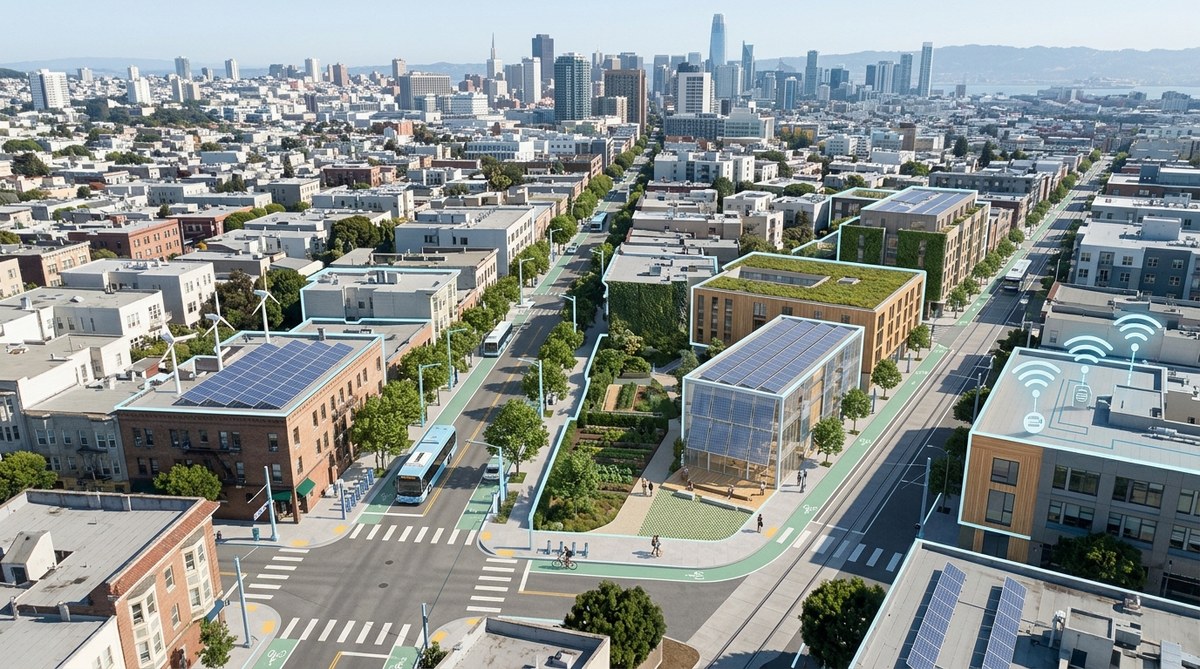
Most American suburbs were built for a different era. Wide streets, single-use zoning, and car-dependent layouts defined the 20th century. But the housing stock is solid, the trees are mature, and the communities are established. Tearing everything down to start over is wasteful and disruptive. A smarter path exists.
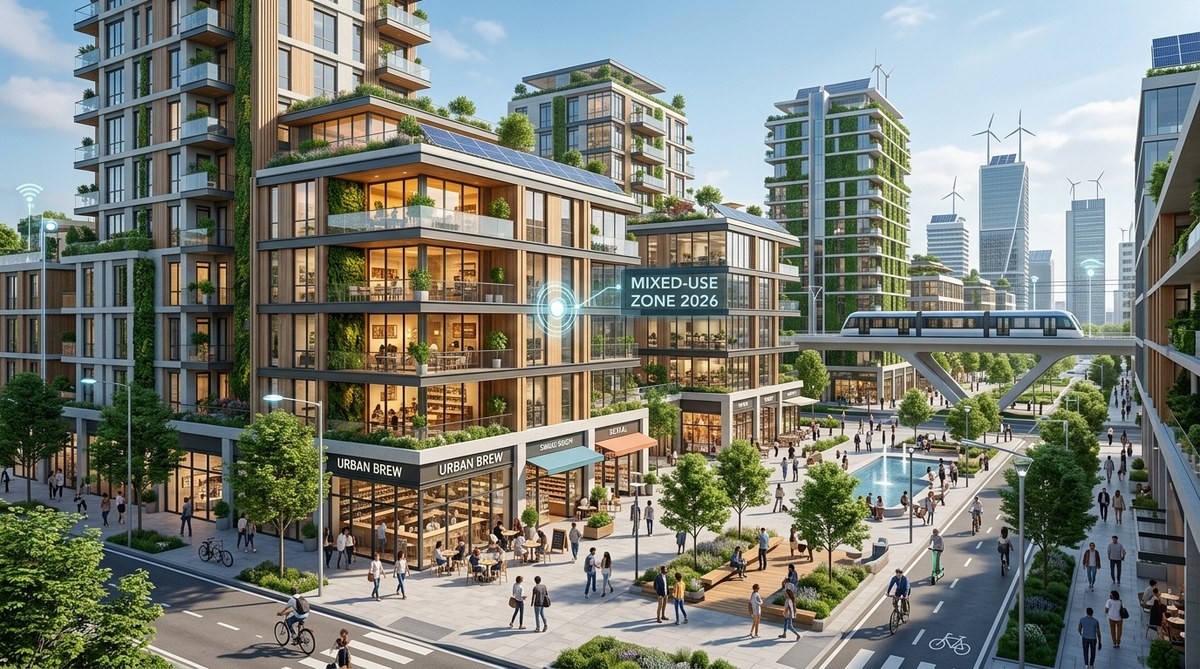
Retrofitting neighborhoods into smart sustainable districts is about upgrading what already works. It means adding green infrastructure, digital sensors, and mixed-use nodes without displacing residents. It is cheaper, faster, and more equitable than building from scratch. And in 2026, the tools to do it have never been more accessible.
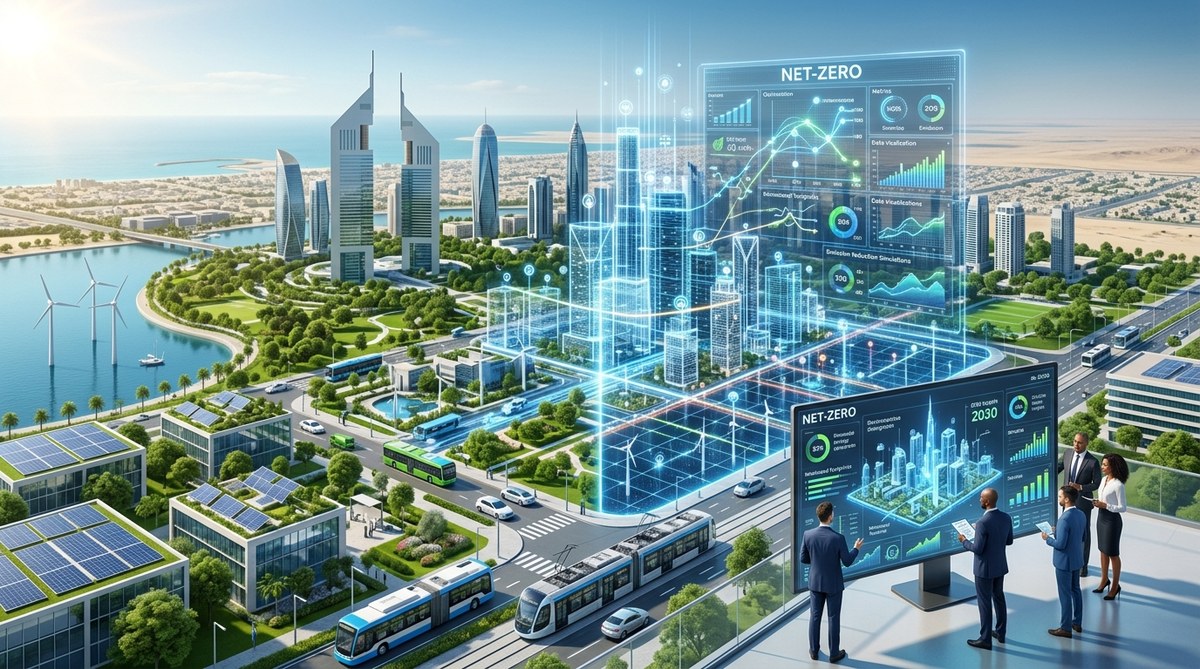
Retrofitting existing neighborhoods into smart sustainable districts is the most cost-effective path to urban resilience. By layering IoT sensors, green corridors, decentralized energy, and mobility hubs onto existing street grids, cities can cut emissions by 40% while improving quality of life. These five blueprints offer a repeatable process for any municipality.
Why retrofitting beats building new
Greenfield developments consume farmland and natural habitats. They require entirely new water, sewer, and power lines. They also tend to be economically exclusive. Retrofitting existing neighborhoods avoids those downsides.
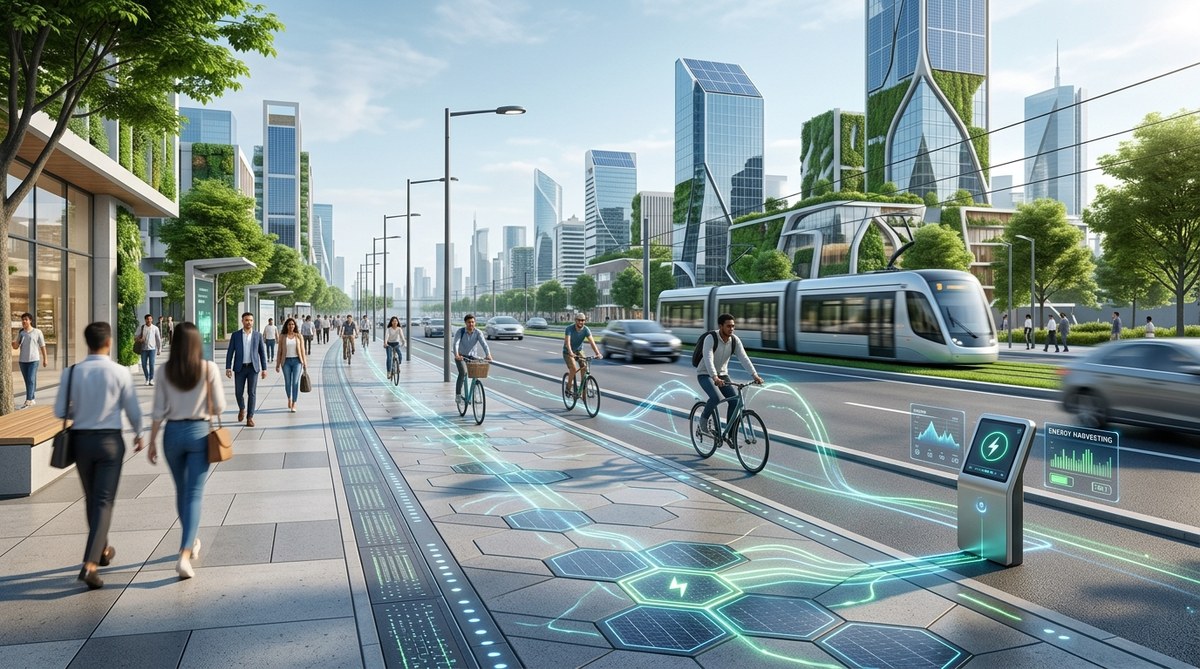
Consider a typical 1970s subdivision. The lots are large, the roads are wide, and the infrastructure is aging. Instead of replacing the sewer mains, you can pair them with permeable pavement and rain gardens. Instead of widening roads for more cars, you can add protected bike lanes and bus priority signals. The bones are there. You just need to add the brains.
The five blueprints for transformation
Each blueprint targets a specific layer of the neighborhood. Together they form a complete system.
Blueprint 1: Green-blue corridor weaving
This blueprint connects existing parks, schoolyards, and vacant lots into a continuous network. The goal is stormwater management, heat reduction, and wildlife habitat.
- Install bioswales along street edges to capture runoff.
- Convert every third parking space into a rain garden.
- Plant native canopy trees on private property with a city rebate.
- Link these elements with pedestrian paths that bypass car traffic.
Cities like Philadelphia have used this approach to reduce combined sewer overflows by 25%. The cost per gallon of stormwater managed is often half that of underground storage tanks.
Blueprint 2: Distributed energy microgrids
Instead of a single central power plant, this blueprint creates neighborhood-scale energy loops. Rooftop solar on homes and schools feeds into a shared battery system. During peak demand, the battery discharges to avoid grid strain.
- Audit every roof in the district for solar potential.
- Install smart inverters that communicate with the utility.
- Build a community battery in a former parking lot or under a park.
- Use blockchain-based peer-to-peer trading so neighbors can sell excess power to each other.
The result is lower bills and higher resilience. During the 2025 Texas heat wave, one retrofitted district in Austin kept its lights on while the surrounding grid failed.
Blueprint 3: Mobility-on-demand hubs
Car ownership rates drop when alternatives are convenient. This blueprint turns a single underused intersection into a mobility hub.
| Hub element | What it replaces | Annual CO2 reduction per hub |
|---|---|---|
| E-bike share station | 12 personal car trips per day | 4.2 metric tons |
| Microtransit shuttle stop | 8 Uber rides per day | 2.8 metric tons |
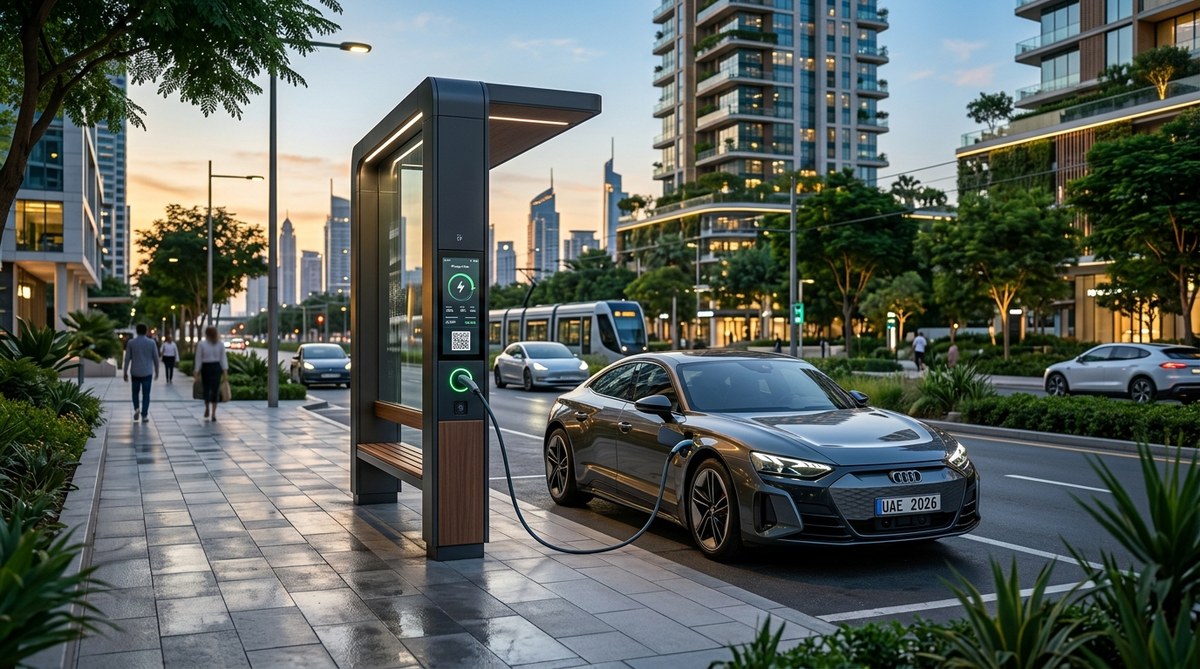
| EV charging plaza | 15 gas station visits per week | 6.1 metric tons |
| Cargo bike locker | 5 delivery van trips per day | 3.5 metric tons |
Place these hubs within a five-minute walk of every home. Pair them with a real-time app that shows available bikes, shuttle arrival times, and open charging spots.
Blueprint 4: Smart water and waste loops
Water and waste are often invisible to residents. This blueprint makes them visible and circular.
- Install smart meters that detect leaks within hours instead of months.
- Deploy underground sensors that monitor soil moisture and adjust irrigation automatically.
- Roll out curbside composting with RFID-tagged bins that reward participation.
- Use AI-powered sorting at the neighborhood recycling center to reduce contamination.
One pilot in Seattle cut household water use by 18% and landfill waste by 32% within the first year. Residents received a monthly “circularity score” that gamified conservation.
Blueprint 5: Digital twin for community engagement
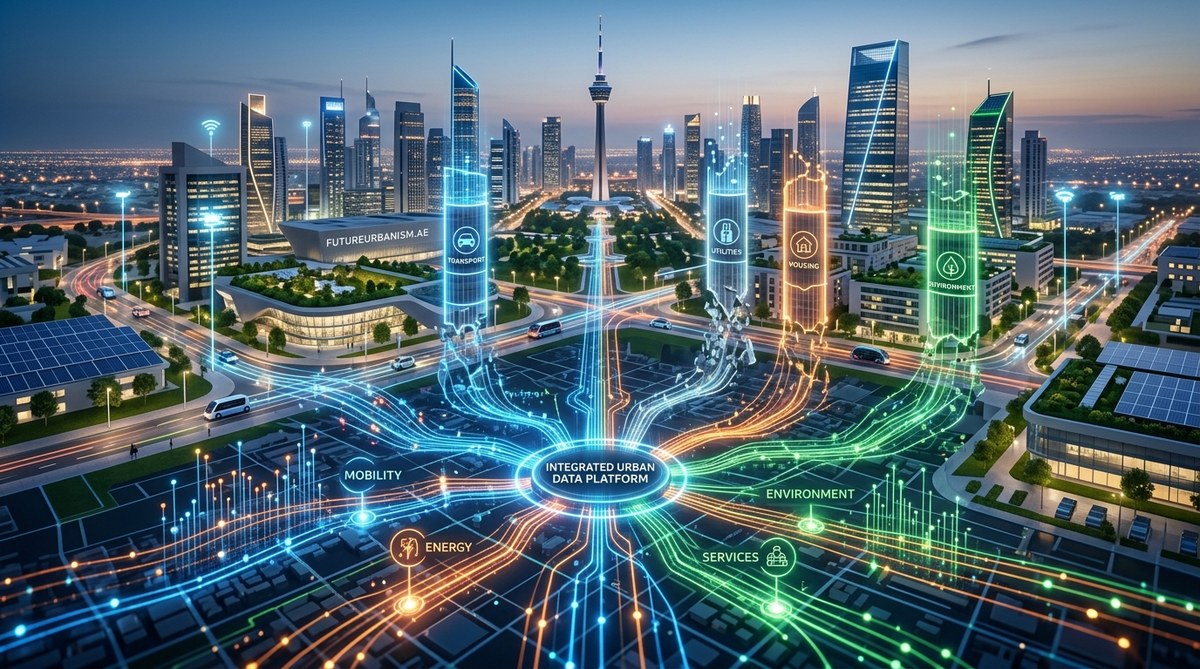
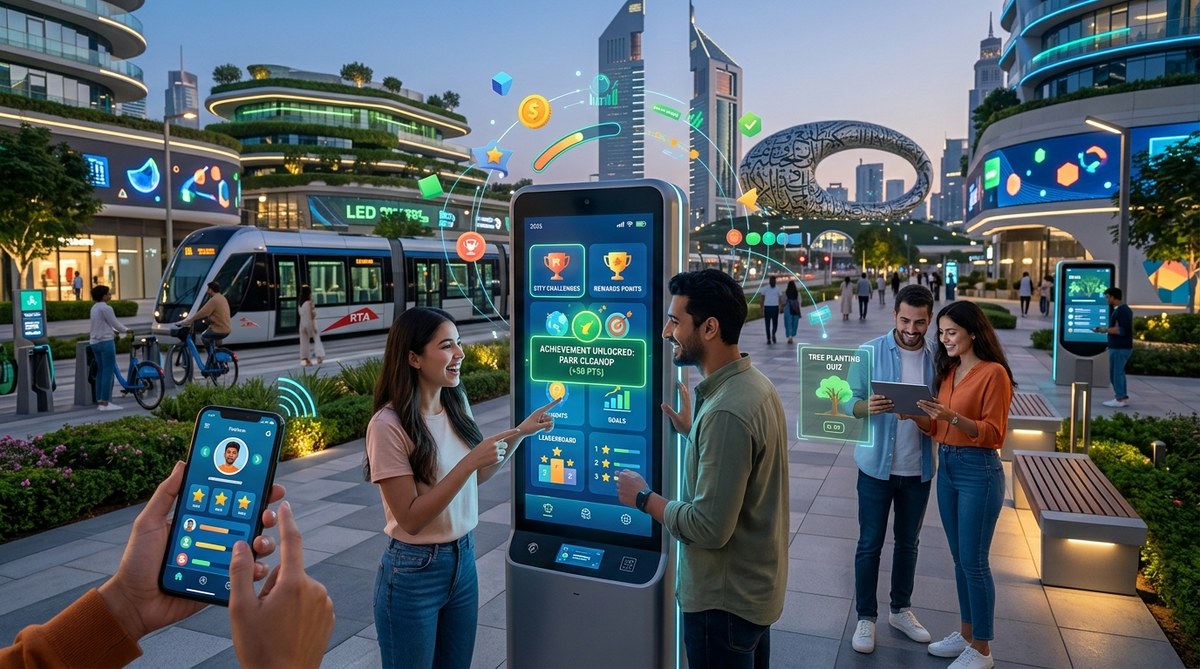
A digital twin is a virtual replica of the neighborhood that updates in real time. Planners use it to test changes before breaking ground. Residents use it to see how a new bike lane or park would affect their daily commute.
“The best retrofit is the one the community co-designed. A digital twin lets residents swap out a parking lane for a plaza and see the traffic impact instantly. That transparency builds trust.” – Maria Santos, urban resilience director, City of Portland
This blueprint requires three layers:
– A 3D model of every building, street, and tree.
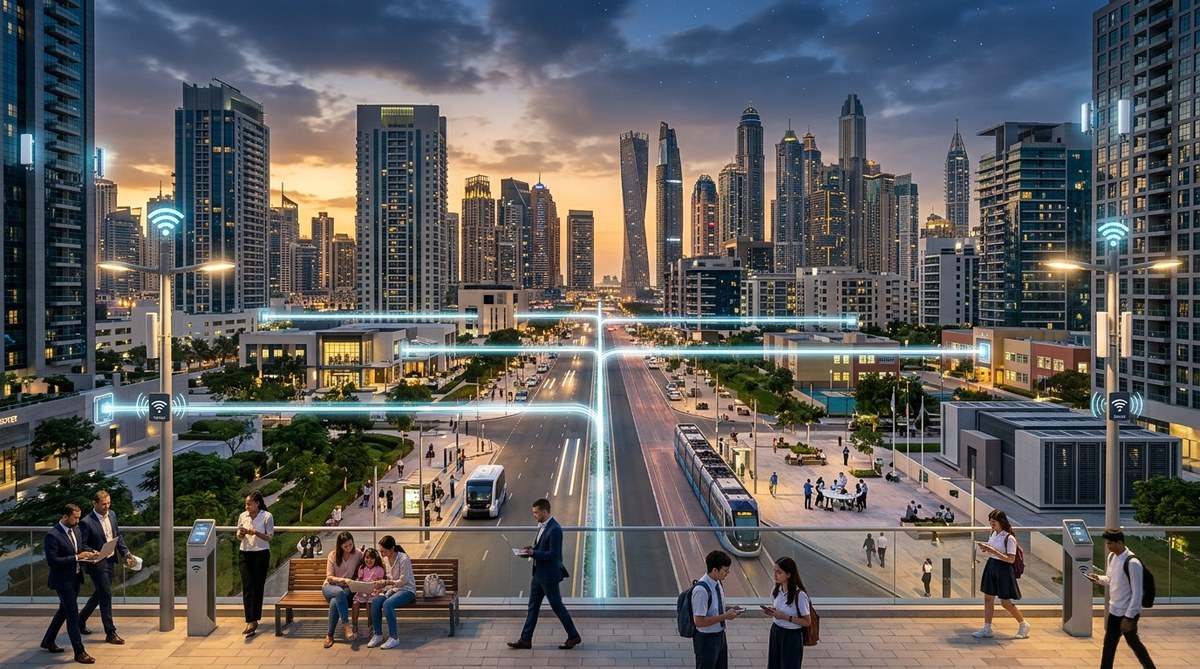
– IoT sensors feeding live data on traffic, air quality, and energy use.
– A public interface where residents can propose and vote on changes.
Common mistakes when retrofitting neighborhoods
Even with good blueprints, projects fail. Here are the pitfalls to avoid.
| Mistake | Why it hurts | Better approach |
|---|---|---|
| Ignoring existing drainage patterns | Flooding and erosion | Map all water flow before paving |
| Installing tech without community training | Sensors get vandalized | Hire local tech stewards |
| Prioritizing cars over people | Low mode shift | Start with pedestrian improvements |
| Forgetting maintenance costs | Systems degrade in 3 years | Set aside 15% of budget for upkeep |
| One-size-fits-all design | Resident pushback | Use digital twin for co-design |
A practical sequence for getting started
You do not need to implement all five blueprints at once. Start with the highest impact and lowest disruption.
- Audit the existing assets. Map every building, tree, pipe, and power line. Identify underused spaces like vacant lots or oversized road medians.
- Engage residents early. Hold workshops at the community center. Use the digital twin to show what is possible. Listen to concerns about displacement.
- Pilot one street or block. Pick a single corridor to demonstrate green infrastructure, a mobility hub, and smart meters. Measure results for six months.
- Scale based on data. Use the pilot results to prioritize the next phase. Focus on corridors that connect schools, grocery stores, and transit stops.
- Lock in long-term funding. Pair federal grants (like the 2026 Climate Resilience Fund) with local bonds and utility partnerships. Create a revolving fund so savings from energy and water projects pay for future upgrades.
What success looks like in 2026
Several U.S. cities are already proving this model works. In Cambridge, Massachusetts, a retrofitted district reduced its carbon footprint by 38% in three years. In Tucson, Arizona, a neighborhood retrofitted with cool roofs and shade trees lowered summer temperatures by 7 degrees. In Detroit, Michigan, a formerly vacant commercial strip now hosts a solar microgrid, a community composting center, and a bike repair co-op.
These projects share three traits: they used existing infrastructure, they involved residents from day one, and they layered technology onto physical upgrades rather than the other way around.
The tools you need to succeed
You do not need a massive budget to start. Free tools like the EPA’s stormwater calculator and the Department of Energy’s solar mapping tool can help you identify opportunities. Open-source digital twin platforms are now available for small cities. And many utility companies offer rebates for smart meter installations.
If you want to go deeper on specific technologies, check out our guide on innovative strategies for building smarter urban infrastructure. It covers the sensor networks and data platforms that make retrofits work at scale.
For those focused on energy, our piece on integrating renewable energy solutions to create sustainable urban ecosystems walks through microgrid design and community solar models.
And if community engagement is your top concern, the article on can citizen engagement platforms truly shape smarter city planning offers real-world case studies from cities that got it right.
Your first step toward a smarter neighborhood
Pick one street. Pick one blueprint. Start small and show results. Retrofitting neighborhoods into smart sustainable districts is not a distant dream. It is a practical, repeatable process that any municipality can begin this year. The technology is ready. The funding is available. The communities are waiting. All you need is the courage to start.

Leave a Reply