

City hall can feel like a collection of forts. The water department has its own data. Traffic manages its own sensors. The sustainability office tracks emissions in a spreadsheet that never leaves their floor. Each team works hard, yet the city as a whole struggles to connect the dots. When a flash flood hits, the water department knows which drains are clogged, but traffic doesn’t reroute buses because they lack the same picture. This fragmentation is the silo problem, and it is the single biggest barrier to a truly smart city.
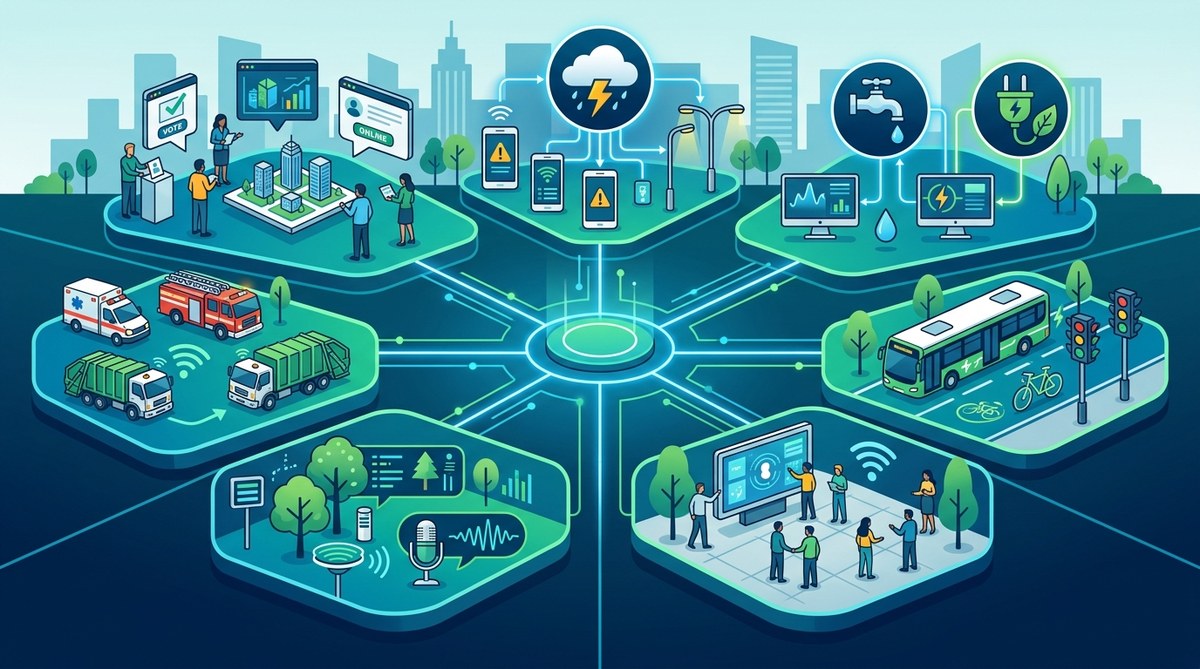
Smart city data platforms are breaking down silos in urban governance by creating a single source of truth for departments that historically hoarded information. These platforms replace manual data handoffs with real-time, API-driven sharing. For urban planners and IT managers, the result is faster emergency response, better resource allocation, and a city that operates as one system instead of many isolated units.
Why Silos Hurt Cities More Than You Think
Silos are not just an IT problem. They are a governance problem. When the parks department plants trees without knowing where the water department plans to dig, roots get cut and budgets get wasted. When the school board needs to pick a new bus route, they cannot access live traffic data from the city’s central system. Every decision becomes slower and more expensive.
The real cost shows up during an emergency. In 2025, a mid-sized city in the Midwest faced a water main break that flooded a main intersection. The water department knew about the leak within minutes. But the transit authority did not reroute buses for almost two hours. The delay happened because no shared platform existed to push that alert automatically. A smart city data platform could have bridged that gap in seconds.
How Smart City Data Platforms Actually Work
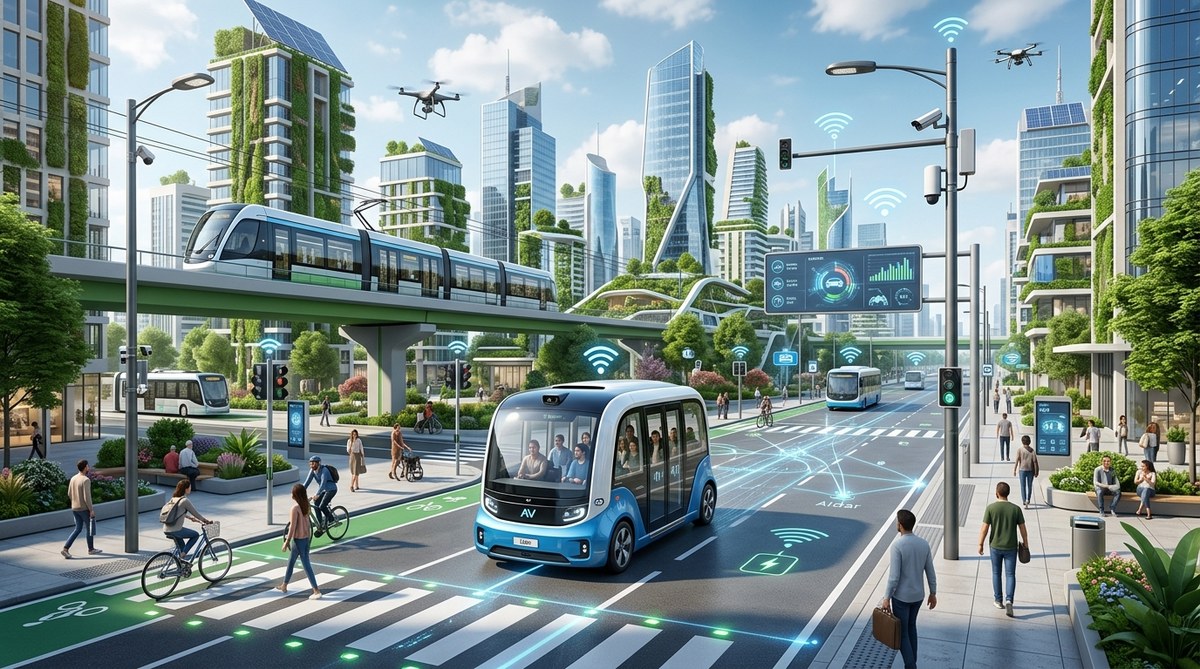
These platforms act as a central nervous system for the city. They pull in data from IoT sensors, traffic cameras, utility meters, 311 call logs, and even social media feeds. Then they normalize that data so every department sees the same information at the same time.
Here is what a typical platform does in three steps:
- Ingest and normalize. Raw data arrives in different formats. A traffic sensor might send JSON. A water meter might use an old binary protocol. The platform translates everything into a common schema.
- Enrich and contextualize. The platform adds location tags, timestamps, and metadata. A pothole report from a resident gets matched with nearby utility work orders and recent weather data.
- Publish and subscribe. Departments subscribe to the feeds they need. When the water department flags a pipe replacement, the streets team gets an automatic notification so they can coordinate repaving.
This flow eliminates the need for endless email chains and spreadsheet attachments. For a deeper look at how these systems connect to physical infrastructure, check out our guide on integrating smart technologies for efficient urban planning.
Common Mistakes Cities Make When Adopting Data Platforms
Even with the best intentions, cities often stumble. The table below outlines the most frequent errors and how to avoid them.
| Mistake | What It Looks Like | Better Approach |
|---|---|---|
| Buying without buy-in | IT purchases a platform, but departments refuse to share data. | Form a cross-departmental steering committee before procurement. |
| Ignoring data quality | The platform is full of duplicate records and stale sensor readings. | Set up automated validation rules and a data stewardship team. |
| Skipping API standards | Every vendor uses a different protocol, so integration is a nightmare. | Mandate open APIs (REST or GraphQL) in all vendor contracts. |
| Forgetting privacy | The platform exposes citizen location data without consent. | Build a privacy-by-design framework from day one. |
These mistakes are avoidable. The cities that succeed treat the platform as a shared utility, not a technology project.
A Real-World Example: How One City Broke Its Silos
Take the case of Chattanooga, Tennessee. In 2024, the city launched a centralized data exchange that connected traffic signals, parking meters, and emergency response systems. Before the platform, the fire department had no way to see real-time traffic light status. After the platform went live, firefighters could request green lights along their route. Response times dropped by 18 percent in the first six months.
The same platform also helped the city manage a major music festival. The event organizers shared crowd density data with police and sanitation teams. Trash collection routes were adjusted in real time, and officers were stationed where foot traffic was highest. The festival ran smoothly, and the city saved nearly $200,000 in overtime costs.
This is the power of smart urban solutions transforming cityscapes. When data flows freely, every department makes better decisions.
The Four Pillars of a Successful Data Platform
To get this right, your city needs to build on four solid foundations.
- Standardized data models. Agree on how to name streets, buildings, and assets. A “road” in one system should match a “road” in every other system.
- Real-time integration. Batch uploads are not enough. The platform must support streaming data from sensors and live feeds.
- Role-based access. Not everyone needs to see everything. A traffic engineer should see intersection data, not water billing records. Fine-grained permissions protect privacy.
- Scalable infrastructure. The platform should handle growth. As your city adds more sensors and more departments, the system should not slow down.
“The cities that win are not the ones with the most sensors. They are the ones that connect the sensors they already have.” – Maria Torres, Chief Data Officer for the City of Austin.
That quote captures the shift. Success is not about buying more hardware. It is about harnessing data analytics for smarter urban infrastructure design so that existing tools work together.
How to Start Breaking Down Silos Tomorrow
You do not need a massive budget to begin. Here is a practical checklist for urban planners and IT managers.
- Map your data landscape. List every department that collects data. Note what format they use and who owns it.
- Identify one high-value use case. Pick a problem that crosses departments, like coordinating street repairs or improving school bus routing.
- Run a small pilot. Connect just two systems. For example, link the traffic signal controller to the emergency dispatch system.
- Measure the impact. Track response times, cost savings, or citizen satisfaction. Use hard numbers to build a case for expansion.
- Scale gradually. Add one department at a time. Each success makes the next integration easier.
For a broader view of how these efforts fit into long-term planning, read our piece on innovative strategies for building smarter urban infrastructure.
The Future of Connected City Governance
By 2028, most major U.S. cities will have some form of integrated data platform. The ones that start now will have a huge advantage. They will respond faster to emergencies, spend less on redundant projects, and deliver better services to residents.
The shift is not just technical. It is cultural. Departments must learn to trust each other with data. They must agree on shared goals. The platform is the tool, but collaboration is the real engine.
If you are an urban planner or a municipal IT manager, your role is to be the bridge. Push for open standards. Advocate for shared budgets. Show your colleagues what is possible when the silos come down.
Your Next Step Toward a Unified City
The technology exists. The case studies are clear. The only missing piece is the will to start. Pick one department, one dataset, and one shared goal. Connect them. Measure the result. Then do it again.
Cities that embrace smart city data platforms breaking down silos will be the ones that thrive in the coming decade. They will be safer, greener, and more responsive. And they will be built on a foundation of trust, not just wires and servers.
So take that first step. Call the water department. Call traffic. Set up a coffee meeting. Talk about what you both need. The platform can wait. The conversation cannot.






Leave a Reply