
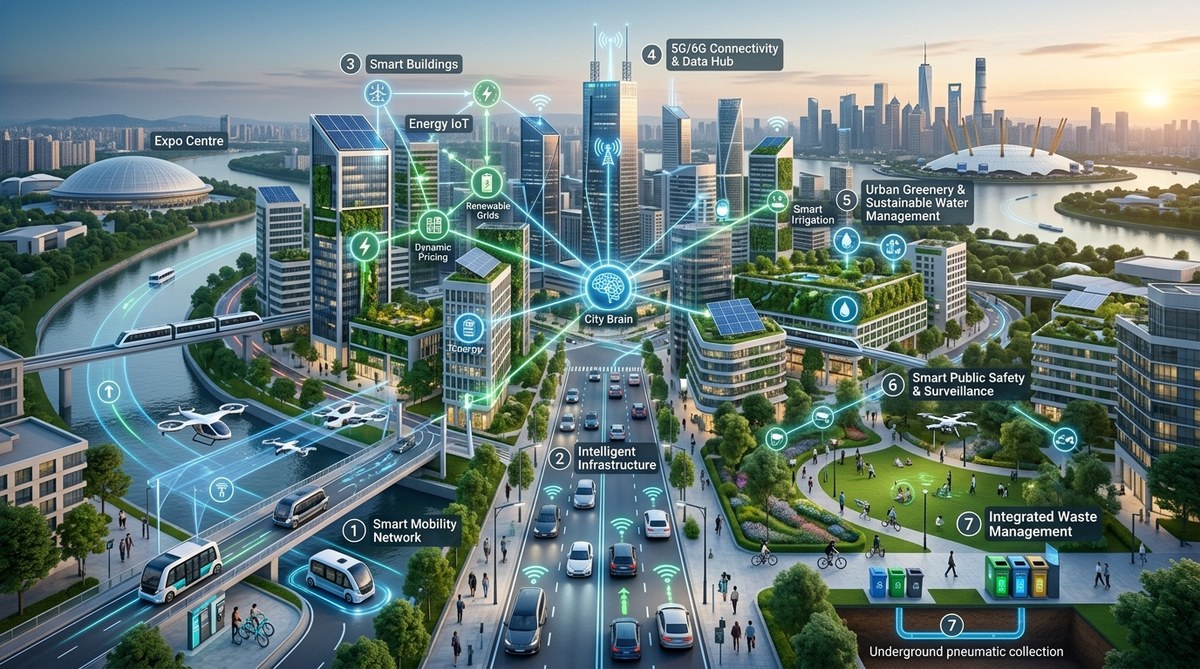
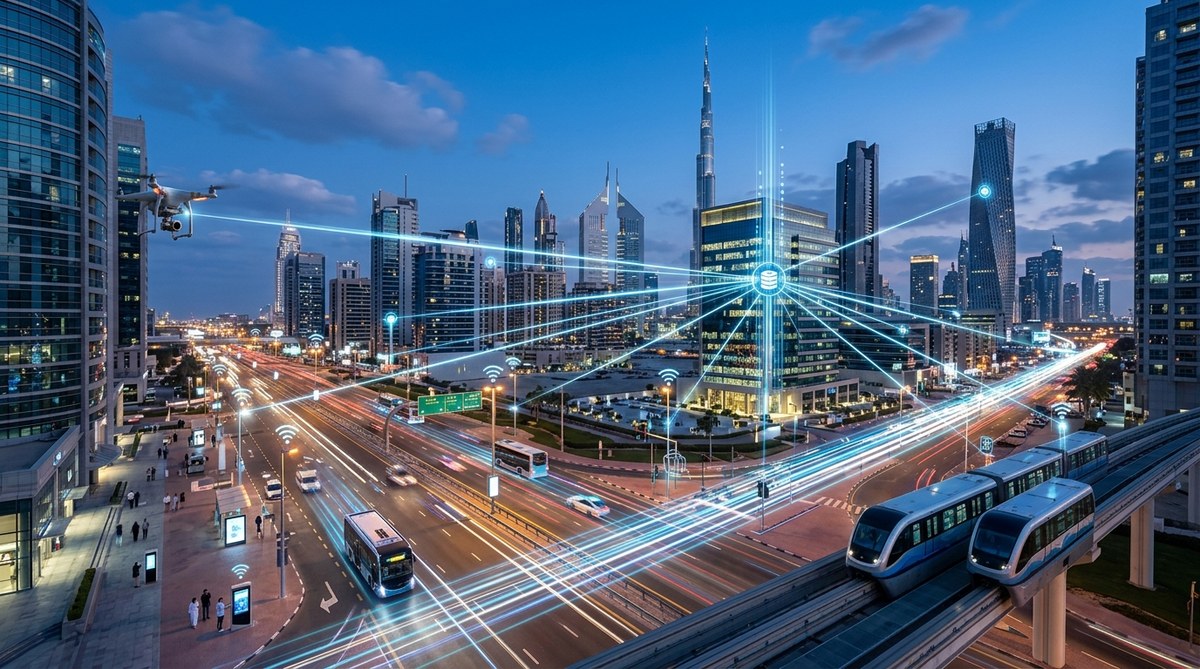
Cities are changing faster than ever. In 2026, the line between digital and physical infrastructure is blurring. Streetlights talk to traffic signals. Waste bins know when they are full. Buildings adjust their own energy use. These aren’t science fiction ideas. They are real smart city technologies 2026 that urban planners, city officials, and investors are deploying right now. If you want to understand what works and what is coming next, this guide breaks down the tools, the process, and the mistakes to avoid.
To succeed with smart city technologies 2026, focus on three pillars: a strong IoT sensor network, AI powered data analytics, and integrated 5G connectivity. These tools let cities reduce traffic, save energy, and improve public safety. The biggest wins come from piloting small projects first, collecting real data, then scaling. Avoid the trap of buying tech without a clear problem in mind. Start with citizen needs and build from there.
The Core Technologies Driving Change
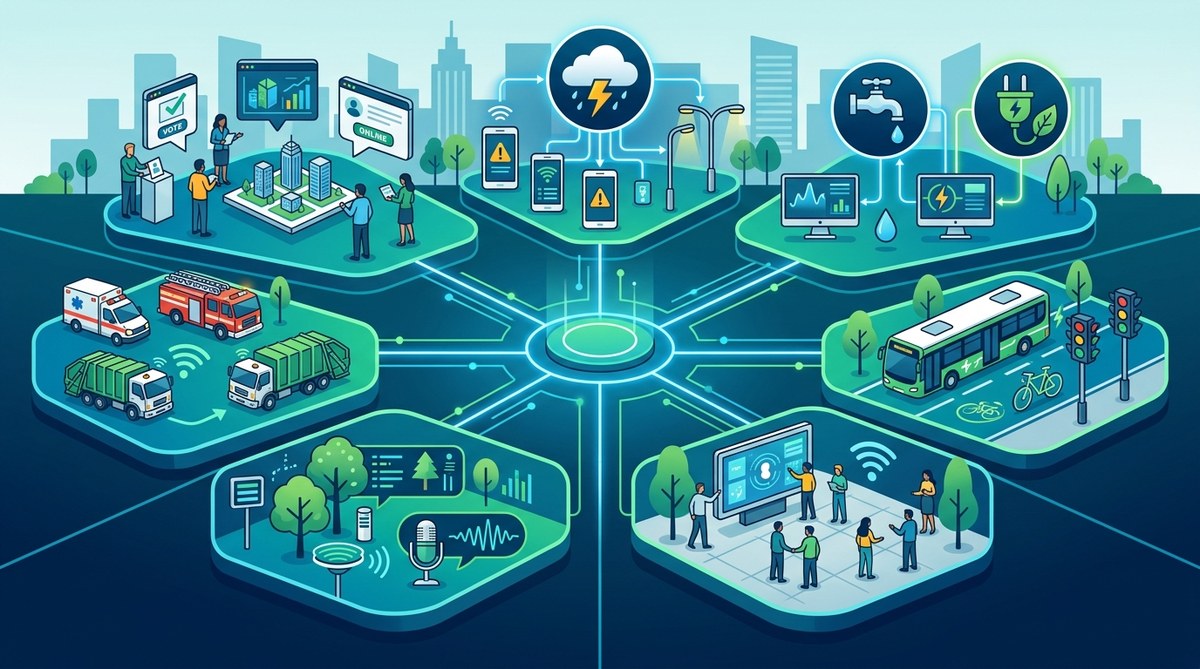
Smart cities in 2026 rely on a small set of foundational technologies. Each one plays a specific role. Understanding how they fit together helps you plan your own roadmap.
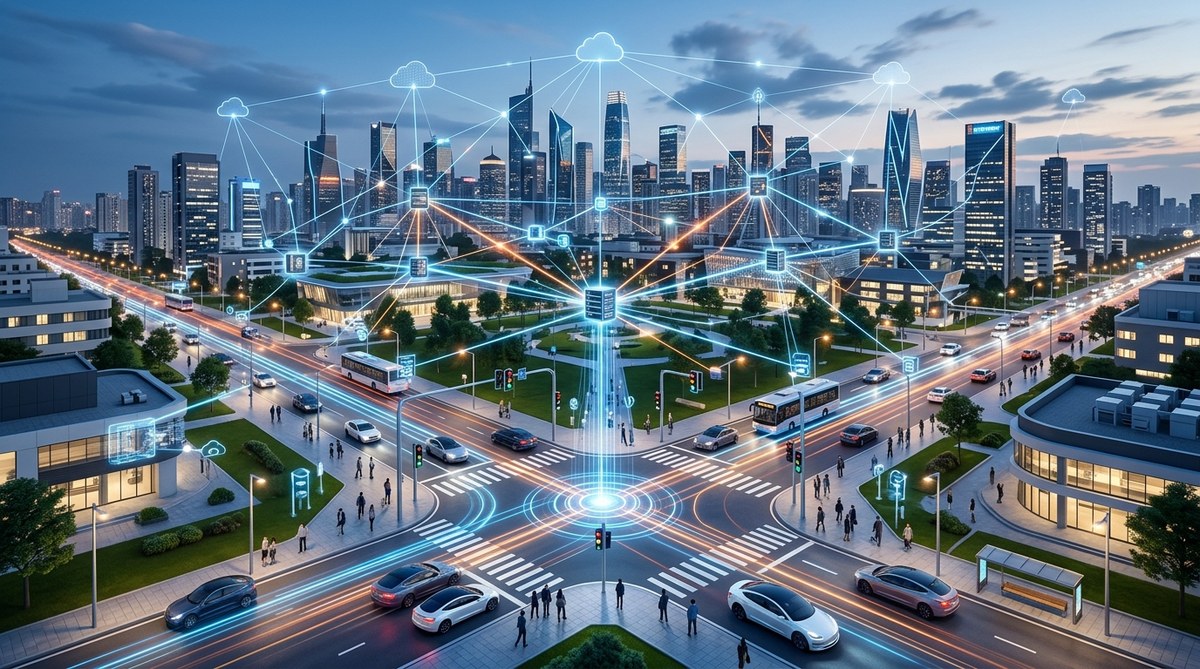
Internet of Things (IoT) sensors are the eyes and ears of a smart city. They collect data on air quality, noise levels, traffic flow, water pressure, and more. In many US cities, streetlights now include sensors that adjust brightness based on pedestrian presence. This cuts energy use by up to 40 percent. IoT devices also track parking availability in real time, saving drivers fuel and reducing congestion.
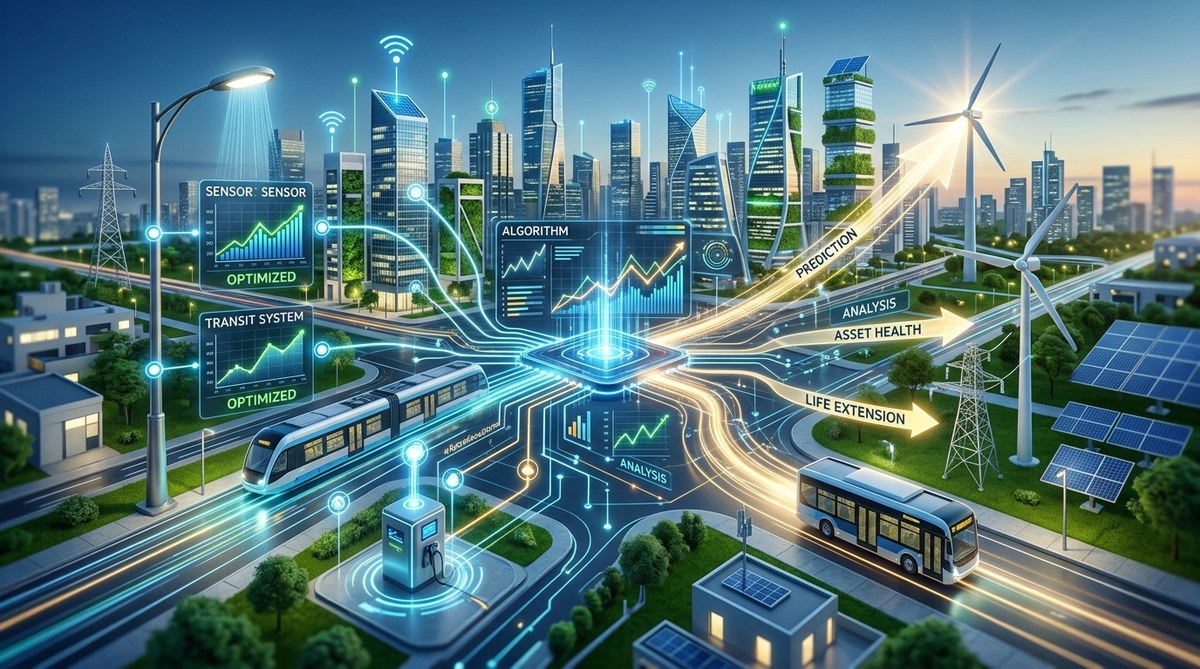
Artificial intelligence and machine learning make sense of all that data. A city might have thousands of sensors producing millions of data points every day. AI algorithms can spot patterns humans would miss. For example, predictive maintenance systems use AI to know when a water pipe is about to burst. Crews can fix it before a major leak happens. That saves money and prevents disruption. For more on how data drives these decisions, check out our guide on harnessing data analytics to transform urban living in smart cities.
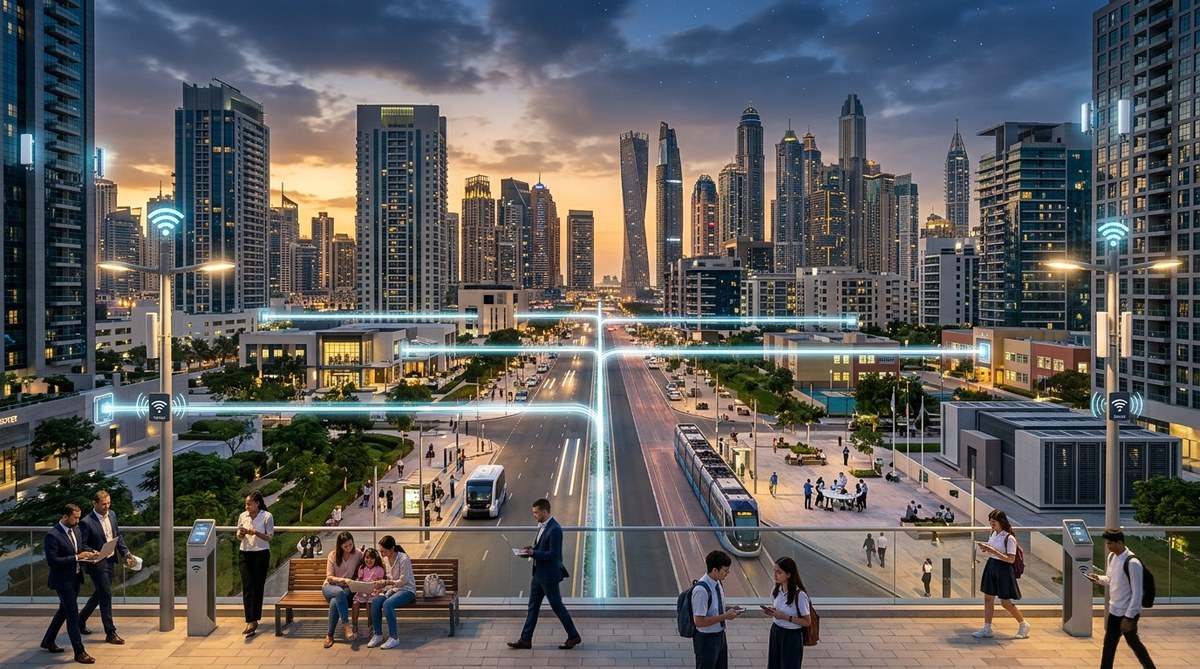
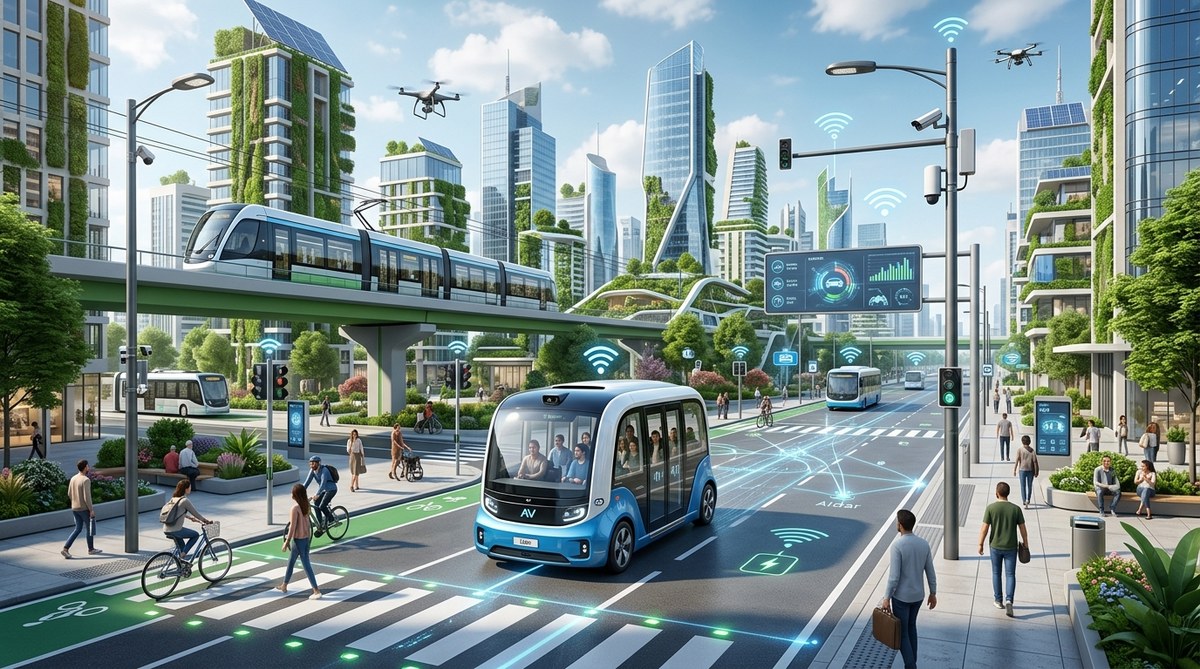
5G wireless networks provide the speed and low latency needed for real time applications. Autonomous shuttles, emergency response drones, and remote surgery all depend on 5G. By 2026, most major US metro areas have dense 5G coverage. This pushes smart city projects from pilot stages into full rollout.
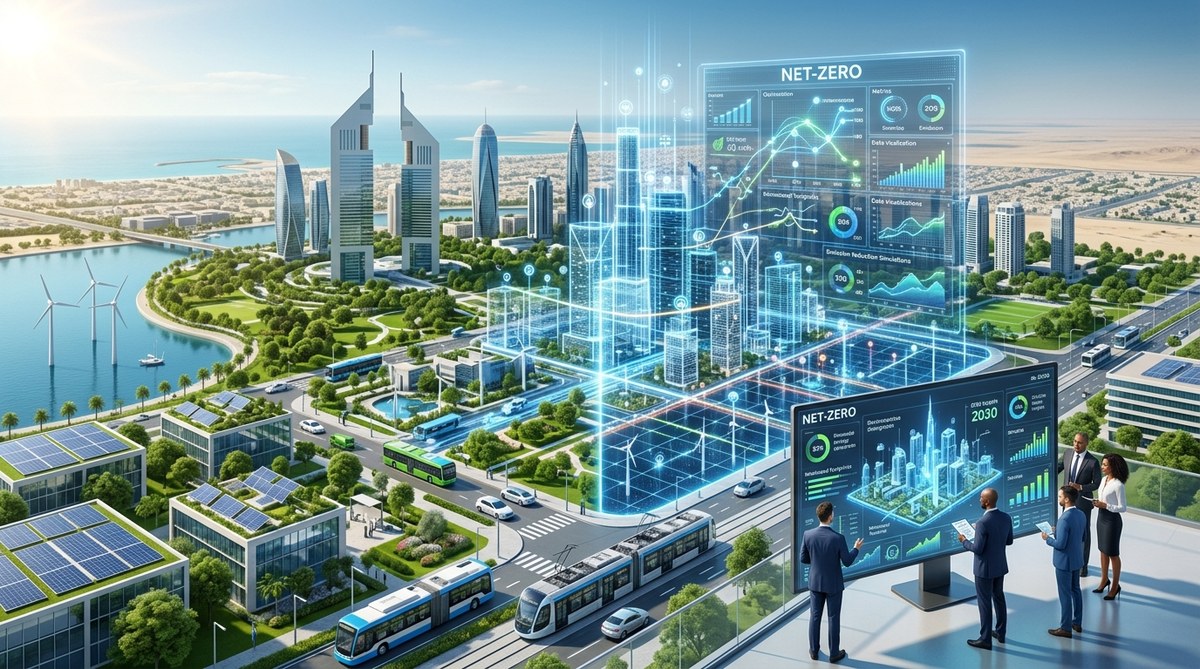
Digital twins are virtual copies of physical city assets. Planners can simulate traffic changes, new building placements, or disaster scenarios without touching the real world. Los Angeles uses a digital twin to test earthquake response plans. The technology saves millions in trial and error costs.
How to Integrate Smart City Technologies: A Practical Process
Jumping into smart city tech without a plan leads to wasted budget and frustrated citizens. Follow this five step process used by successful cities across the United States.
-
Assess your current infrastructure. Walk through your city’s existing networks, data sources, and hardware. Note what works and what is outdated. Talk to department heads about their biggest pain points. This baseline tells you where to start.
-
Select priority use cases. Pick two or three problems that affect the most people. Common choices include traffic congestion, energy waste, and public safety. Focus on outcomes, not technology. If residents complain about potholes, start with road condition sensors. If air pollution is a concern, deploy air quality monitors first.
-
Build strong partnerships. You cannot do this alone. Work with technology vendors, local universities, and community groups. Many cities form innovation labs where startups can test new ideas. Partnering spreads the risk and brings fresh expertise. For a deeper look at partnership models, read about innovative strategies for building smarter urban infrastructure.
-
Deploy pilot projects in a small area. Choose one neighborhood or district for your initial rollout. Measure everything before and after. Collect citizen feedback through surveys and public meetings. Pilots let you catch problems early and prove value to skeptics.
-
Scale and iterate. Once a pilot shows clear benefits, expand to other areas. Keep measuring and adjusting. No smart city is ever finished. Technology evolves, and so do community needs. Plan for continuous improvement from day one.
Key Benefits for Urban Planners and Investors
Smart city technologies 2026 deliver measurable returns across multiple categories. Here are the benefits that matter most to decision makers.
- Lower operational costs. Automated street lighting, predictive maintenance, and smart waste collection reduce labor and energy expenses. Cities report 20 to 30 percent savings in these areas.
- Better quality of life. Real time transit updates, shorter commutes, and cleaner air make residents happier. That attracts businesses and talent.
- Data driven policy making. Instead of guessing, you base decisions on actual usage patterns. Zoning, budget allocation, and emergency planning all improve.
- New revenue streams. Data licensing, advertising on smart infrastructure, and efficiency bonds create financial opportunities.
- Environmental sustainability. Smart grids integrate renewable sources. Water sensors reduce leaks. Green building codes enforced by IoT systems cut carbon footprints. Learn more about this in our piece on the future of green urban development trends and technologies to watch.
Common Pitfalls and How to Avoid Them
Even well funded smart city projects stumble. The table below outlines typical mistakes and the best ways to steer clear.
| Mistake | Avoidance Strategy |
|---|---|
| Buying technology before defining the problem | Start with a clear city challenge, then choose the tool that fits. |
| Ignoring cybersecurity and data privacy | Build security into every sensor and network. Use encryption and limit data access. |
| Not involving citizens early | Hold town halls and create feedback channels. People will reject tech they don’t trust. |
| Focusing only on flashy hardware | Software, data analytics, and staff training matter more than expensive cameras. |
| Overlooking interoperability | Choose open standards and APIs. Avoid vendor lock in that prevents future upgrades. |
One of the most common errors is assuming technology alone can fix complex urban problems. That leads to disconnected systems that do not share data. City officials often buy separate platforms for traffic, water, and energy. Then they cannot integrate them later. A better approach is to plan a unified data platform from the start.
Expert Insight: What City Officials Need to Know in 2026
We spoke with Dr. Maria Torres, director of the Smart City Institute at the University of Texas. She has advised over 30 US municipalities on their technology roadmaps.
“The cities that succeed in 2026 are the ones that treat smart city projects as long term investments, not one time tech purchases. You need a dedicated team that understands both data science and community engagement. The technology changes every year, but the need to listen to residents never changes. Start with a small pilot, prove it works, and then scale. That approach builds trust and saves money.”
Dr. Torres also emphasizes the importance of talent. Many cities struggle to hire data analysts and IoT engineers. She recommends creating partnerships with local community colleges and offering internships. That builds a pipeline of skilled workers who understand the city’s specific needs.
The Road Ahead: Smart City Technologies 2026 and Beyond
Smart city development in 2026 is not about chasing the newest gadget. It is about using technology to make cities work better for the people who live in them. The tools exist: affordable sensors, powerful AI, and fast networks. What separates successful cities from the rest is thoughtful planning and real community involvement.
If you are an urban planner, start by mapping your city’s biggest pain points. If you are a city official, push for a cross department team that owns the smart city strategy. If you are an investor, look for companies that solve practical problems with proven technology. The market for smart city technologies 2026 is growing, but it rewards patience and focus.
We encourage you to take one small step this month. Pick a single problem, test one sensor or data dashboard, and see what you learn. That first success will build momentum for bigger changes. To continue your journey, explore our resources on how smart city technologies are revolutionizing urban waste management in 2026 and integrating renewable energy solutions to create sustainable urban ecosystems.
The future of our cities is being built right now. You have a front row seat, and you can help shape it.

Leave a Reply