
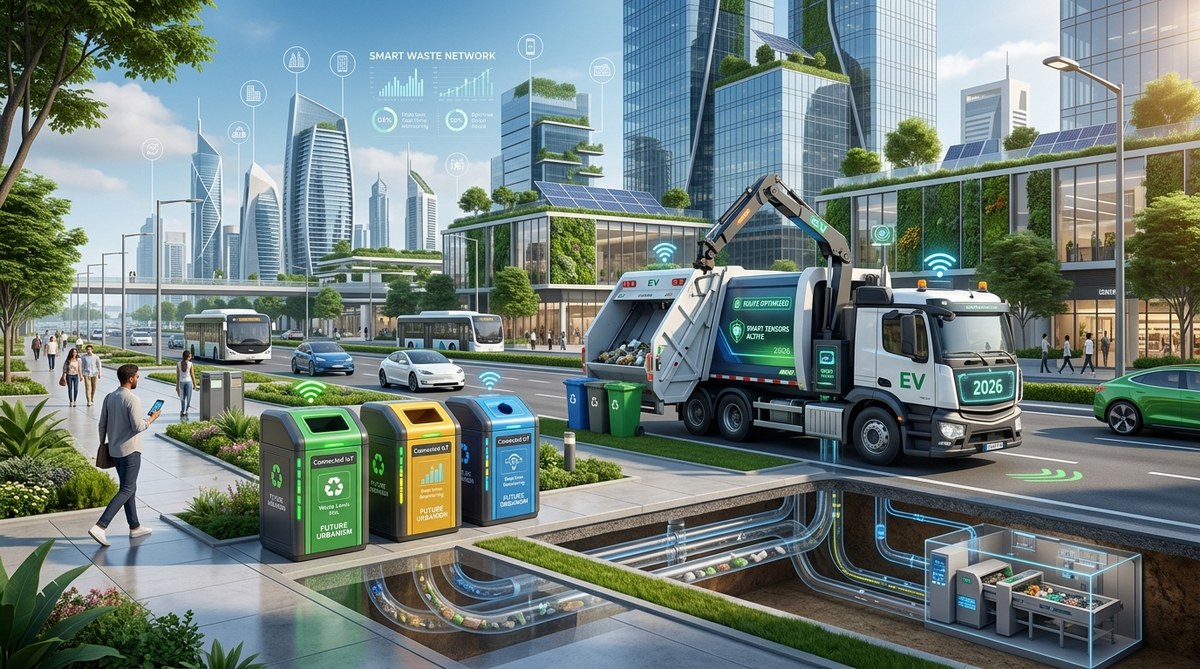
Urban areas in the United States are experiencing a revolution in how they handle waste. As cities grow larger and more complex, traditional waste management methods struggle to keep up. Smart city waste management in 2026 is redefining urban sustainability by integrating advanced technologies, real-time data, and innovative strategies. These changes are making cities cleaner, more efficient, and environmentally friendly. This article dives into the latest trends and practical solutions shaping the future of waste management in smart cities.
How technology is transforming waste management in smart cities
Smart city waste management relies on a combination of sensors, data analytics, automation, and citizen engagement. These tools work together to optimize collection, reduce environmental impact, and improve city living. The shift toward smarter waste systems is driven by the desire to create cleaner urban spaces while lowering operational costs and conserving resources.
Key innovations driving change
- Internet of Things (IoT) sensors on bins
- Real-time data dashboards
- Route optimization algorithms
- Waste-to-energy conversion technologies
- Citizen participation platforms
The benefits of smart waste solutions
Cities adopting these technologies report several advantages, including reduced landfill overflow, less pollution, and better resource management. For residents, this means cleaner neighborhoods and increased engagement in sustainability efforts. For city officials, it offers a way to streamline operations and meet environmental goals more effectively.
Practical processes shaping smart waste management in 2026
Implementing effective waste management involves a series of steps that leverage technology and community involvement. Here are three essential stages cities are adopting:
-
Sensor deployment and data collection
Smart bins equipped with sensors monitor fill levels and send real-time updates to centralized systems. This provides accurate information on waste amounts across neighborhoods. -
Data analysis and route planning
Collected data is processed using advanced analytics and AI algorithms to plan optimal collection routes. This minimizes fuel consumption and reduces labor costs. -
Automated collection and citizen engagement
Automated vehicles or robotics perform waste pickups based on data insights. Citizens can also participate through apps that inform them about collection schedules, recycling tips, and waste reduction practices.
Key points for successful implementation
- Use IoT sensors to gather precise data
- Analyze data continuously to adapt routes
- Engage residents with user-friendly apps
- Incorporate sustainable waste-to-energy systems
Challenges and common pitfalls in smart waste management
While technology offers many benefits, certain mistakes can hinder progress. Understanding these pitfalls helps cities avoid costly setbacks.
| Techniques | Mistakes to Avoid |
|---|---|
| Over-reliance on sensor data | Ignoring data accuracy or sensor malfunctions |
| Poor integration of systems | Fragmented infrastructure that hampers data flow |
| Lack of community outreach | Failing to involve residents reduces program success |
| Neglecting cybersecurity | Vulnerable systems risk data breaches or disruptions |
Experts advise that successful smart waste management depends on balancing technological innovation with community participation and cybersecurity measures.
Addressing common obstacles
- Ensure sensors are regularly maintained and calibrated.
- Develop interoperable systems for seamless data sharing.
- Educate residents about recycling and waste reduction.
- Implement robust cybersecurity protocols.
How smart city waste management impacts urban sustainability
The integration of advanced waste solutions directly contributes to cleaner, healthier urban environments. Cities are not just collecting trash more effectively but are also turning waste into valuable resources through waste-to-energy technologies. This approach reduces landfill pressure and supports circular economy principles.
Case study: San Francisco’s smart waste initiatives
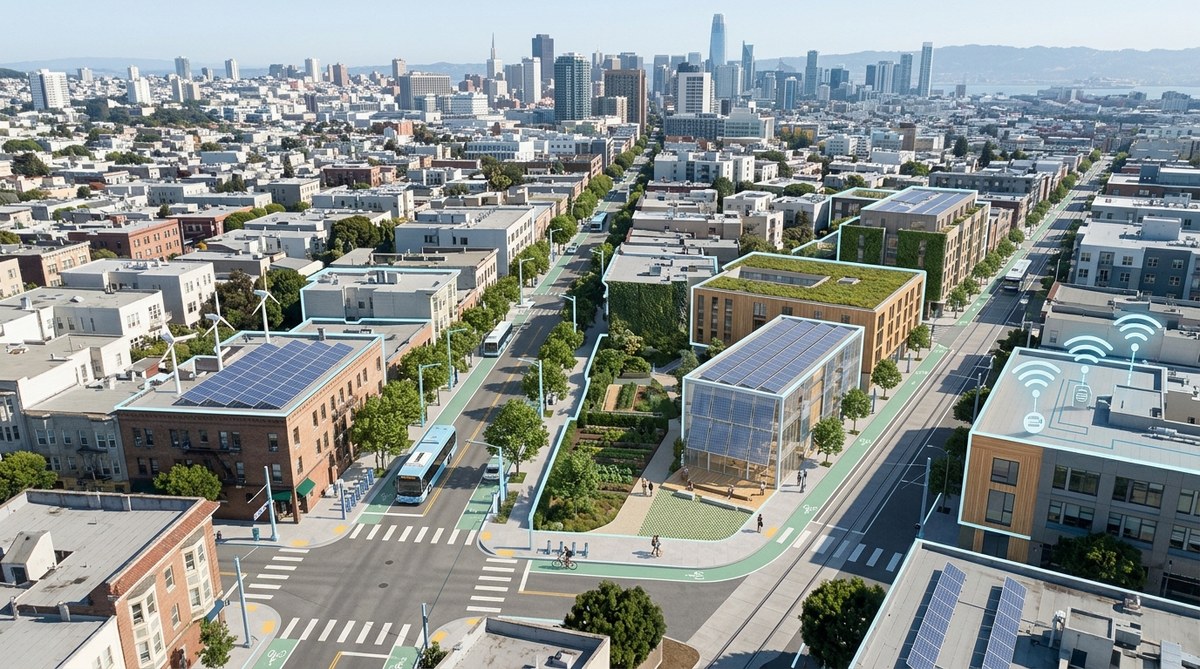
San Francisco has pioneered the use of sensor-equipped bins and automated collection trucks. These innovations have significantly decreased litter and increased recycling rates. The city also engages residents via mobile apps that promote waste reduction practices, creating a community-driven approach to sustainability.
The role of data analytics
By harnessing data, city officials can identify patterns, forecast waste generation trends, and tailor waste management strategies accordingly. This proactive approach ensures resources are used efficiently and environmental impacts are minimized.
Future trends shaping waste management in 2026 and beyond
The landscape of urban waste management continues to evolve rapidly. Key developments include:
- Expansion of AI-driven predictive analytics for waste generation
- Increased deployment of autonomous collection vehicles
- Integration of waste management with broader smart city infrastructure
- Adoption of biodegradable and eco-friendly packaging materials
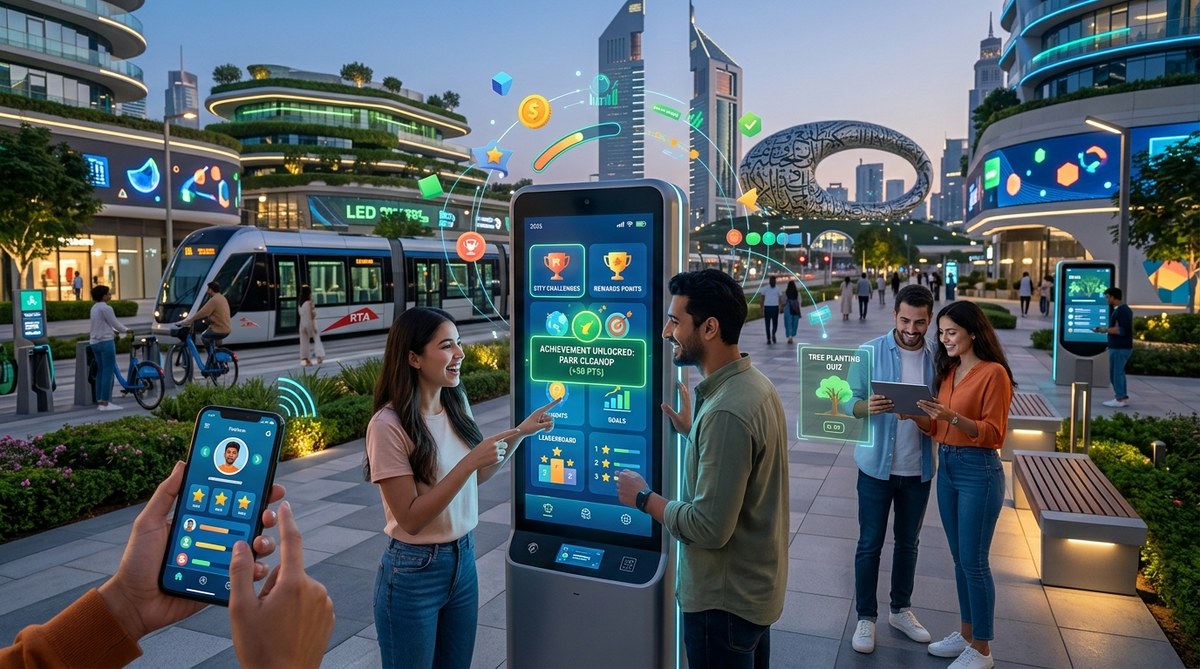
- Enhanced citizen participation through gamification and incentives
The importance of a holistic approach
Successful waste management in smart cities hinges on integrating various technologies and community efforts. This includes aligning policies, investing in infrastructure, and fostering a culture of sustainability.
Final thoughts: building resilient urban waste systems
Smart city waste management in 2026 exemplifies how innovation can address pressing urban challenges. By combining IoT sensors, data analytics, automation, and community engagement, cities can create cleaner, more sustainable environments. Embracing these strategies today paves the way for resilient urban spaces that thrive well into the future.
Harnessing technology for smarter waste solutions
Practically, city officials and urban planners should prioritize deploying sensor networks, analyzing data continuously, and engaging residents actively. Small steps taken now can lead to significant improvements in urban cleanliness and sustainability. As technology advances, so too will the opportunities to make our cities cleaner and greener. Incorporating these practices will help shape the smart cities of tomorrow where waste management is seamless, efficient, and environmentally responsible.






Leave a Reply