
The hum of a city at night is something we barely notice until it stops. In 2026, that hum is more complex than ever. Electric vehicles plug in after rush hour. Heat pumps cycle on during cold snaps. Solar panels feed power back into the system during sunny afternoons. Our grandparents’ grid was never designed for this kind of two-way energy dance. It was built for simple, predictable flows. Today, that old architecture is showing its age. But here is the good news: artificial intelligence is stepping in to keep the lights on. AI smart grid systems are not just monitoring power lines anymore. They are thinking ahead. They are predicting failures before they happen. And they are rerouting energy in real time to prevent blackouts.
AI smart grids in 2026 use machine learning to predict equipment failures, balance renewable energy loads, and isolate faults in milliseconds. This shift from reactive to predictive maintenance cuts outage duration by up to 60 percent. For urban planners and energy professionals, adopting AI grid tools is no longer optional. It is the foundation of modern city resilience.
The Old Grid Was Blind. The New Grid Sees Everything.
Traditional power grids work on a simple principle. Electricity flows from large power plants to homes and businesses. If a tree branch falls on a line, the system trips a breaker. Then a crew gets sent out to fix it. That is reactive maintenance. It works, but it is slow. In 2026, a single outage in a major metro area can cost millions of dollars per hour in lost productivity. Hospitals lose critical power. Traffic lights go dark. Water pumps stop working.
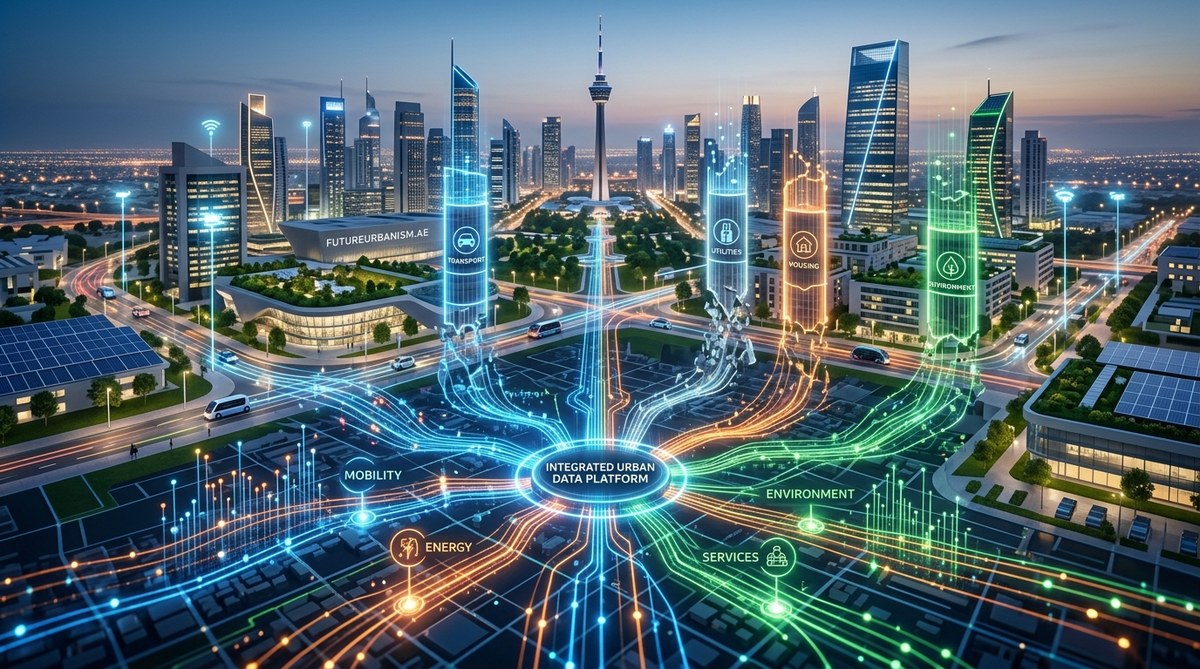
AI smart grids change this completely. They use thousands of sensors placed along transmission lines, inside substations, and even inside neighborhood transformers. These sensors measure voltage, current, temperature, and vibration. They send data to a central AI platform every few seconds. The AI looks for patterns that human operators would miss. A slight temperature spike in a transformer might mean a winding is about to fail. A tiny vibration pattern on a cable might indicate corrosion. The AI flags these issues days or even weeks before they cause a blackout.
This technology is already proving itself in cities like San Diego, Austin, and Copenhagen. These early adopters have seen outage rates drop by more than half. For urban planners, this is a clear signal. The grid is becoming an intelligent system rather than a passive network of wires.
How AI Prevents Blackouts: A Step-by-Step Process
Let us look at the practical steps an AI smart grid takes to keep power flowing. This is not theory. These steps are running in production systems today.
-
Data collection from edge sensors. IoT devices on power lines, transformers, and substations collect real time data. This includes electrical readings, weather conditions, and equipment health metrics. The data streams into a central hub every few seconds.
-
Anomaly detection using machine learning models. The AI compares incoming data against historical patterns. It looks for deviations that signal potential trouble. For example, if a substation transformer starts running three degrees hotter than normal for that time of day, the model flags it.
-
Predictive risk scoring. Each piece of equipment gets a risk score. A score above a certain threshold triggers an alert. The system prioritizes which issues need immediate attention and which can wait for scheduled maintenance.
-
Automated load balancing. When the AI detects that one part of the grid is under strain, it automatically shifts power from other areas. This prevents overloads that would otherwise cause a cascade of failures.
-
Isolation and self-healing. If a fault does occur, the AI can open switches in milliseconds to isolate the problem. It then reroutes power through alternative paths. Most customers never even notice the disruption.
These five steps form the backbone of any modern AI smart grid deployment. They turn a fragile system into a resilient one.
The Three Big Challenges AI Solves for Grid Operators
Grid operators in 2026 face three major headaches. AI addresses each one directly.
| Challenge | How AI Solves It | Real World Impact |
|---|---|---|
| Renewable energy variability | AI forecasts solar and wind output using weather data and historical patterns | Reduces reliance on fossil fuel backups by 30 percent |
| Aging infrastructure | Predictive maintenance alerts catch failing equipment before it breaks | Cuts emergency repair costs by 40 percent |
| Peak demand spikes | Real time load balancing shifts power from low use areas | Prevents brownouts during heatwaves and cold snaps |
These are not small improvements. For a mid sized city, the savings from avoided outages alone can run into tens of millions of dollars per year.
What Makes a Smart Grid Smart? The Tech Stack
You cannot just bolt AI onto an old grid and call it done. The technology works because of a layered system. Here are the key components that make AI smart grid prevention possible.
- Edge computing devices that process data locally, reducing latency to milliseconds.
- Wide area monitoring systems that track grid stability across entire regions.
- Digital twin models that simulate the grid in real time, allowing operators to test scenarios.
- Machine learning pipelines that continuously retrain models on new data.
- Secure communication protocols that protect against cyber attacks.
Each layer depends on the others. Without edge computing, the data would take too long to reach the central AI. Without digital twins, operators cannot test what happens if a major substation goes offline. The whole system is greater than the sum of its parts.
“The grid of 2026 is not just a network of wires. It is a distributed computer that happens to carry electricity. AI is the brain that makes that computer useful.” Senior grid engineer at a major U.S. utility
Common Mistakes Cities Make When Adopting AI Grids
Not every smart grid project succeeds. Some cities rush into deployment without understanding the pitfalls. Here are the most common mistakes and how to avoid them.
| Mistake | Why It Fails | Better Approach |
|---|---|---|
| Buying AI tools before upgrading sensors | Garbage in, garbage out. The AI has no data to learn from. | Install IoT sensors first, then layer AI on top. |
| Ignoring cybersecurity | A hacked smart grid is worse than a dumb one. | Build security into the architecture from day one. |
| Expecting instant results | AI models need time to learn local patterns. | Run a six month pilot before full deployment. |
| Skipping staff training | Operators distrust what they do not understand. | Invest in hands on training for control room staff. |
Avoid these traps and your city has a much higher chance of success.
The Financial Case for AI Smart Grids
Let us talk dollars. A 2026 study by the Department of Energy found that U.S. power outages cost the economy roughly 150 billion dollars per year. That number includes spoiled food, lost work hours, damaged equipment, and emergency response costs. AI smart grids can cut that figure by a significant margin.
For a city of 500,000 people, the upfront cost of a comprehensive AI grid upgrade might run between 20 and 50 million dollars. But the annual savings from reduced outages, lower maintenance costs, and better energy efficiency often pay back that investment in three to five years. After that, it is pure savings.
Urban planners should also factor in the avoided social costs. Hospitals stay open. Schools keep running. Small businesses do not lose a day of revenue. Those benefits are harder to measure, but they are just as real.
How to Get Started with AI Smart Grid Planning
If you are an urban planner or energy professional looking to bring AI into your grid, here is a practical roadmap.
- Audit your current infrastructure. Find out where your sensors are thin. Identify the oldest transformers and lines.
- Run a pilot program. Pick one substation or one neighborhood. Install sensors and a basic AI model. Measure the results for six months.
- Build a data pipeline. Make sure your sensor data flows cleanly into your AI platform. Garbage data kills AI performance.
- Train your team. Your control room operators need to trust the AI. That means understanding how it works and when to override it.
- Scale gradually. Add more sensors and more AI modules as you prove the concept. Do not try to do everything at once.
This phased approach reduces risk and builds organizational confidence. It also gives you concrete numbers to justify further investment.
The Human Side of Smart Grids
We talk a lot about technology, but the human element matters just as much. A smart grid still needs smart people. Engineers need to interpret AI alerts. Operators need to make judgment calls when the AI flags something unusual. City officials need to communicate with the public about what is happening.
In 2026, the best grid operators are not replaced by AI. They are augmented by it. They can focus on strategic decisions instead of staring at blinking lights. They can plan for the next decade instead of fighting today’s fires. That is a better job. And it leads to a more reliable grid for everyone.
For more on how cities are building these systems from the ground up, check out our guide on innovative strategies for building smarter urban infrastructure. And if you want to understand how data drives these decisions, read about harnessing data analytics for smarter urban infrastructure design.
The Grid of Tomorrow Starts Today
The blackouts of the past do not have to be the blackouts of the future. AI smart grid technology is here. It is proven. And it is ready for cities of every size. The key is to start. Pick one project. Run one pilot. Learn one lesson. Then build from there.
The lights stay on when we plan ahead. That is what AI smart grids do. They help us plan ahead, at machine speed, with human wisdom. In 2026, that combination is the single most powerful tool we have for building resilient, sustainable cities. Let us use it.


Leave a Reply