
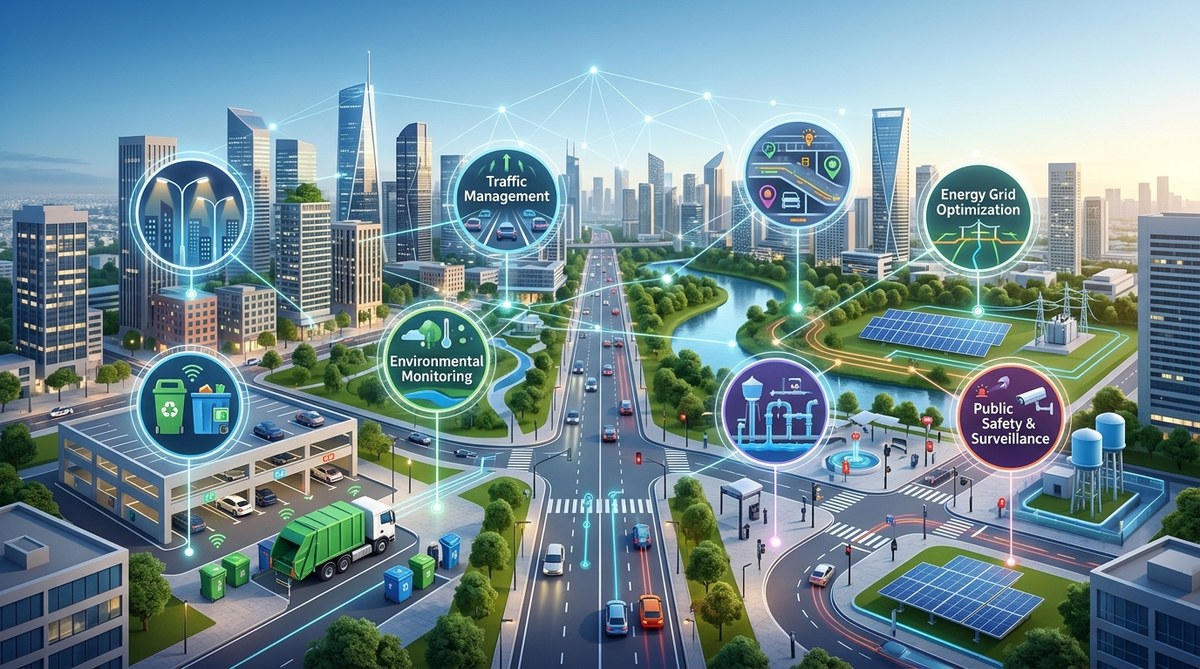
City planners have a secret weapon in 2026, and it fits in the palm of your hand. Actually, it is a network of thousands of tiny devices embedded in pavement, water pipes, streetlights, and trash cans. The Internet of Things (IoT) is no longer a futuristic concept. It is the backbone of modern urban life from the moment your morning commute adjusts a traffic signal to the instant your neighborhood bins report they are half full. For city technology officers and urban planners looking for practical, high-impact deployments, the question is not whether to adopt IoT smart city applications. It is which ones deliver the most value today.
IoT smart city applications in 2026 are proven, not speculative. The most successful cities start with one focused use case like adaptive traffic signals or smart water meters, then scale. This article breaks down eight essential deployments, gives you a step by step planning framework, and shares hard lessons from cities that have done it already. You will leave with a clear next action.
The Eight Essential IoT Deployments That Work Right Now
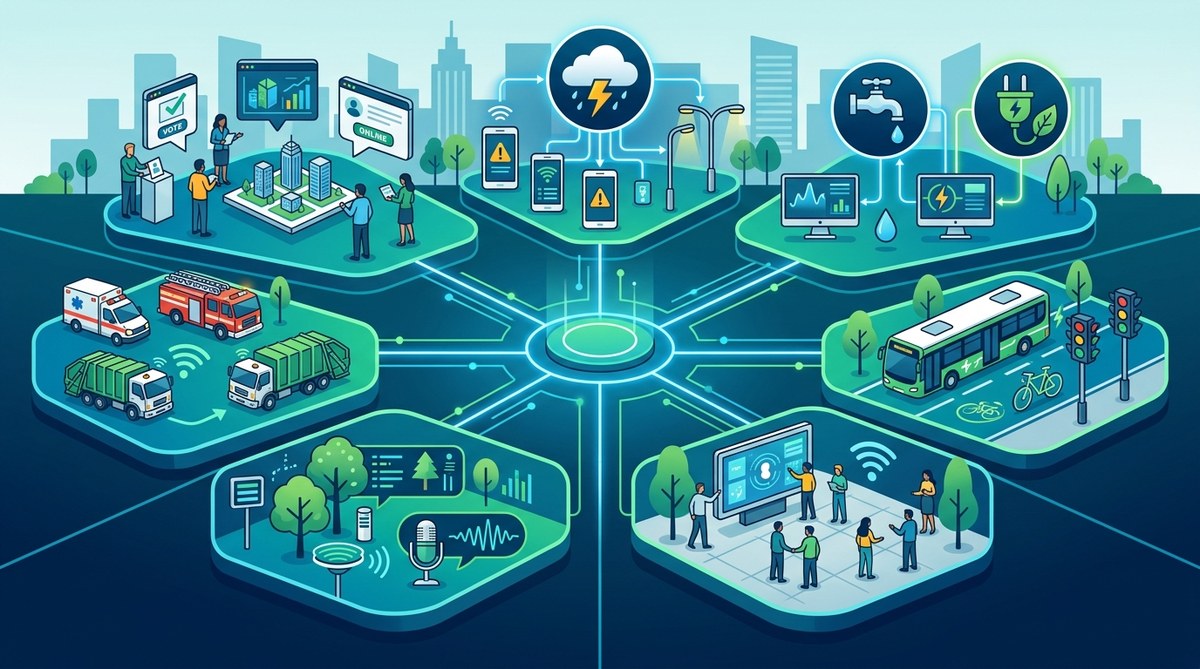
Let us walk through the IoT smart city applications that are delivering measurable results in cities across the United States and around the world. Each one solves a specific pain point: congestion, waste, water loss, energy waste, safety, or public engagement.
1. Adaptive Traffic Control
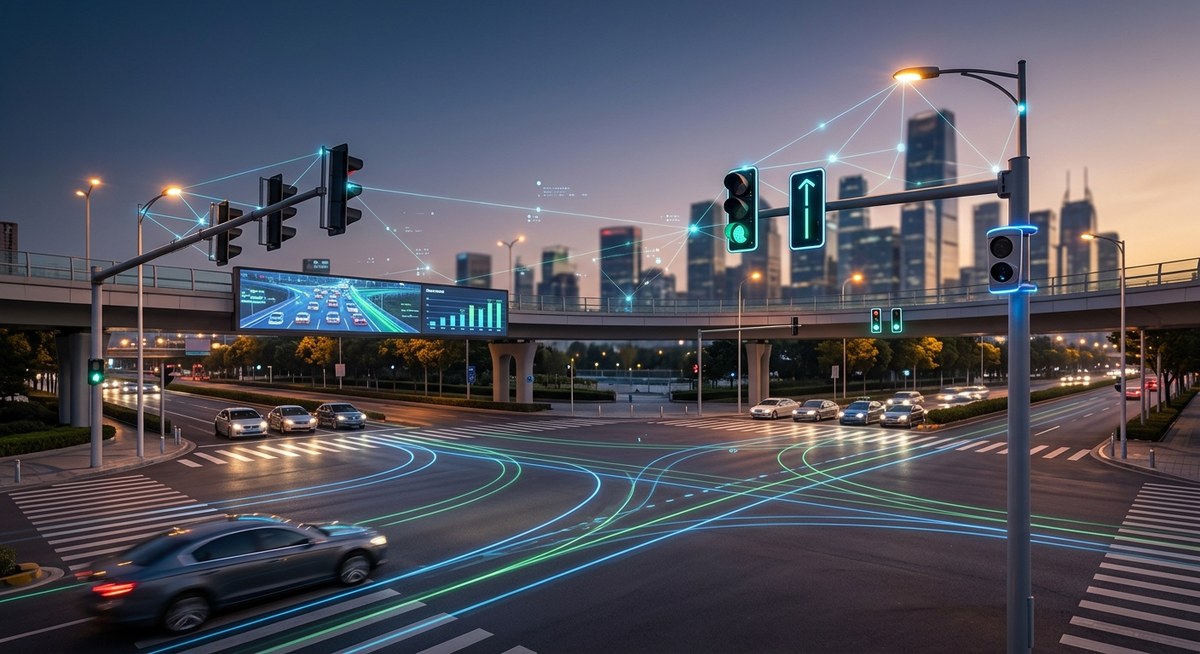
Congestion in midsize cities costs commuters an average of 54 hours a year. Adaptive traffic signals use road sensors and cameras to adjust green light timing in real time. In a pilot in Bellevue, Washington, commute times dropped 20 percent during peak hours. The system costs roughly $200,000 per intersection but pays for itself in reduced fuel waste and citizen frustration within two years. For a deeper look at how AI powers these systems, read our guide on how ai powered traffic management is reducing congestion in smart cities.
2. Smart Waste Collection
San Francisco found that 30 percent of its waste truck routes were unnecessary because bins were either empty or overflowing. IoT sensors inside commercial dumpsters and residential carts send fill level data to a central dashboard. The city cut collection trips by 40 percent, saving $1.2 million annually in fuel and labor. This is an excellent entry level pilot because sensors cost under $100 each and integrate with existing trucks. Our article on how smart city technologies are revolutionizing urban waste management in 2026 covers this in detail.
3. Water Leak Detection and Smart Metering
The average American city loses 16 percent of its treated water to leaks. IoT acoustic sensors placed inside water mains detect the sound of escaping water before it becomes a geyser. One deployment in Atlanta reduced non revenue water by 25 percent in the first eighteen months. Smart meters also give residents real time usage data on their phones, which typically reduces household consumption by 10 to 15 percent. If you are planning a rollout, see our step by step on how to implement smart water management systems in urban areas.
4. Smart Street Lighting
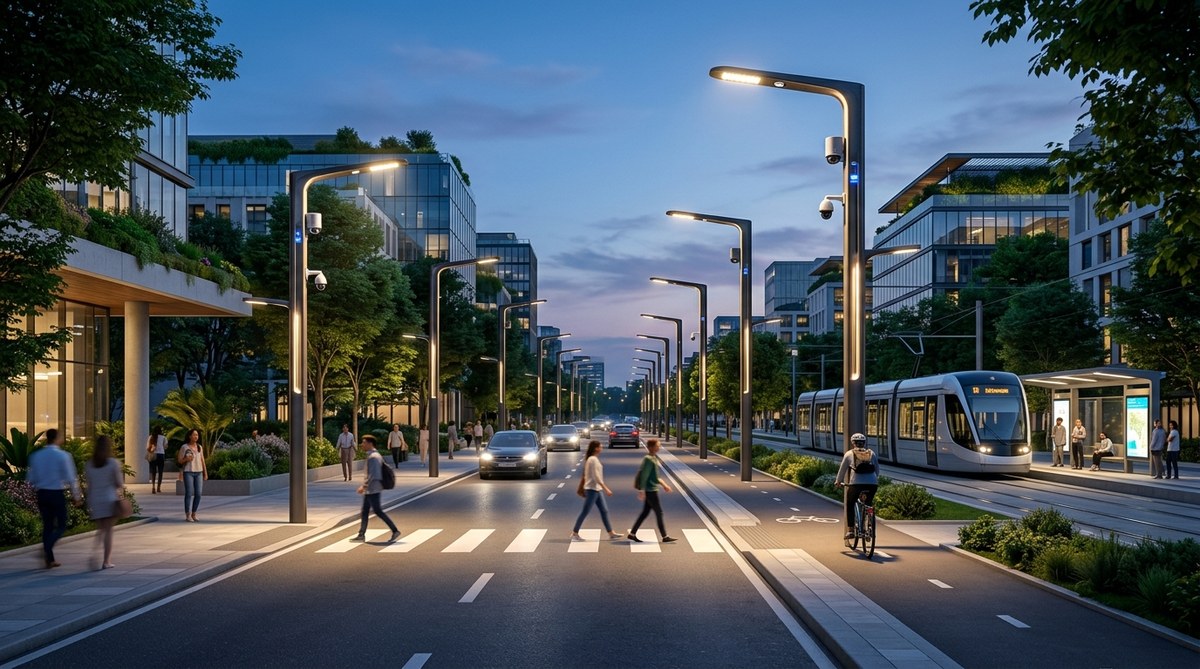
Los Angeles replaced 140,000 streetlights with LED fixtures controlled by IoT nodes. Each light dims or brightens based on pedestrian traffic, moonlight, or an emergency request from police. Energy costs fell 63 percent, and maintenance costs plummeted because the system reports bulb failures immediately. Many cities fund these upgrades through energy savings performance contracts, meaning no upfront capital is needed. For more examples, check out 5 smart street lighting projects that cut energy costs and improve safety.
5. Environmental Monitoring
Air quality sensors on buses, utility poles, and school rooftops give planners a block by block picture of pollution. Denver used this data to reroute heavy truck traffic away from elementary schools, reducing PM2.5 exposure by 30 percent near those zones. Sensors also measure noise, temperature, and humidity. A single sensor node costs about $400 and covers a two block radius. Our piece on how can smart city technology improve air quality in urban centers walks through the deployment process.
6. Predictive Maintenance of Critical Infrastructure
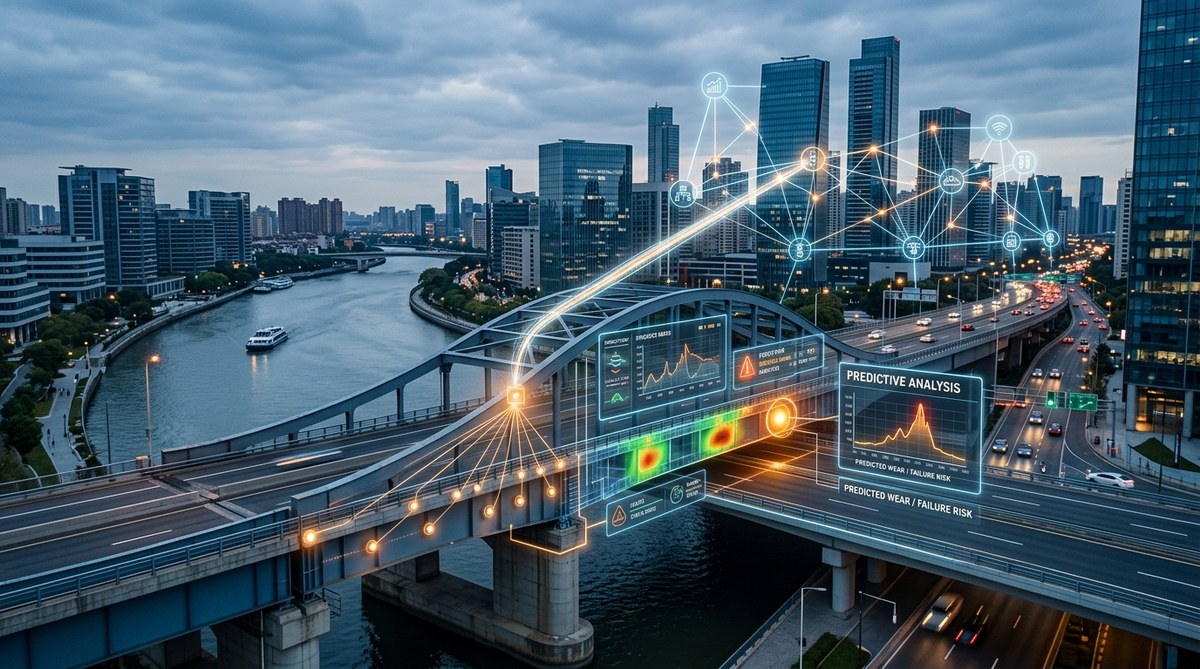
Bridges, tunnels, and dams are expensive to inspect manually. IoT strain gauges, tilt sensors, and corrosion monitors send data continuously. When a sensor reading crosses a threshold, the system alerts engineers before a small crack becomes a closure. The Golden Gate Bridge district saved $2 million in inspection costs over five years by using a network of 200 sensors. Interested in this approach? Read are digital twins the key to smarter infrastructure maintenance in 2026.
7. Smart Parking
Drivers searching for parking create 30 percent of downtown traffic. IoT sensors in each parking spot detect occupancy and feed the data to a mobile app. Drivers navigate directly to open spots, reducing cruising time. In Columbus, Ohio, smart parking reduced traffic by 15 percent around the convention center. The city also introduced dynamic pricing: rates rise when lots are full and drop when empty, balancing demand. This is a classic “low hanging fruit” deployment.
8. Public Safety and Gunshot Detection
Acoustic sensors installed on streetlights triangulate the location of gunfire and send the coordinates to police within seconds. ShotSpotter systems in cities like Chicago have reduced response times from over ten minutes to under three minutes. The data also helps planners identify high risk intersections for lighting upgrades or community interventions. Of course, privacy concerns must be addressed transparently with residents before deployment.
Three Steps to Plan Your Own IoT Smart City Deployment
Every successful smart city project starts with a clear, repeatable process. Based on interviews with technology officers from Austin to Amsterdam, here is a framework that works.
-
Define a single, measurable pain point. Do not try to build “a smart city.” Pick one street, one neighborhood, or one problem. For example: “Reduce nighttime pedestrian accidents on Main Street between 5th and 10th avenues.” The goal must be something you can measure in weeks.
-
Select sensors and a platform that talk to each other. Avoid proprietary systems that lock you into a single vendor. Look for open APIs, LoRaWAN or NB IoT compatibility, and a platform that can ingest data from multiple device types. Test with five sensors before ordering five hundred.
-
Engage the community before you install. Hold a town hall, hand out flyers, and explain what data you are collecting and what you are not. Trust is the most expensive part of any smart city deployment, and it cannot be bought later. Our guide on can citizen engagement platforms truly shape smarter city planning has practical tips.
Common Pitfalls and How to Avoid Them
Even the best planned IoT smart city applications can stumble. Here is a table of the most frequent mistakes we see, and how to sidestep them.
| Pitfall | Why It Happens | How to Avoid |
|---|---|---|
| Picking technology before defining the problem | Vendors pitch shiny gadgets | Start with a problem statement, then shop for solutions |
| Ignoring data privacy | City assumes consent | Publish a clear data governance policy before launch |
| Scaling too fast | Excitement after a small pilot works | Lock in 6 months of stable data before adding new sensors |
| Underfunding network connectivity | Sensors need reliable backhaul | Budget for cellular, LoRaWAN, or mesh infrastructure from day one |
| Skipping staff training | New tools without buy in | Train public works teams before the sensors go live |
Expert advice from a city CTO: “The biggest mistake we made was not involving the sanitation department in our waste sensor pilot. They knew the streets better than any algorithm. Now we always run a ‘ride along’ with frontline staff before any deployment.”
A Real World Case Study: Chattanooga, Tennessee
Chattanooga is a midsize city that rebuilt its infrastructure around data. In 2025, the city deployed a unified IoT platform across three use cases: traffic signals, water metering, and environmental sensors. The results after twelve months:
- Traffic delays dropped 18 percent along the main corridor.
- Water loss fell from 14 percent to 9 percent of total treated volume.
- Asthma related ER visits in the monitored zone decreased 12 percent (attributed to air quality alerts that prompted residents to stay indoors on high pollution days).
The city used a phased approach: first traffic, then water, then air. They also published all anonymized data online, which led to two citizen developed apps that improved bus route planning. This story shows that IoT smart city applications do not have to be massive to be meaningful. You can read more about citywide planning in integrating smart technologies for efficient urban planning.
Seven Benefits That Make IoT Worth the Investment
If you are still on the fence, here is a bullet list of what cities consistently report after their first year of serious IoT deployment.
- Lower operating costs across multiple departments
- Reduced response times for emergencies
- Better air and water quality metrics
- Higher citizen satisfaction scores
- Data driven budget requests that actually get funded
- New revenue streams from data licensing or efficiency savings
- A foundation for future technologies like autonomous vehicles and digital twins
Your First Step Toward Smarter Infrastructure
Start today by walking one block in your downtown area. Look at the streetlights, the water meter covers, the traffic signal poles, and the trash bins. Imagine each one with a tiny sensor and a connection to a dashboard. That is your starting point. Pick one asset. Call a vendor or your internal IT team. Run a two week test. Measure everything. Then decide.
The cities that wait for the perfect plan will always be behind. The cities that take one small, smart step will be the ones writing the case studies for 2027. And we will be here to help you with innovative strategies for building smarter urban infrastructure every step of the way.


Leave a Reply