
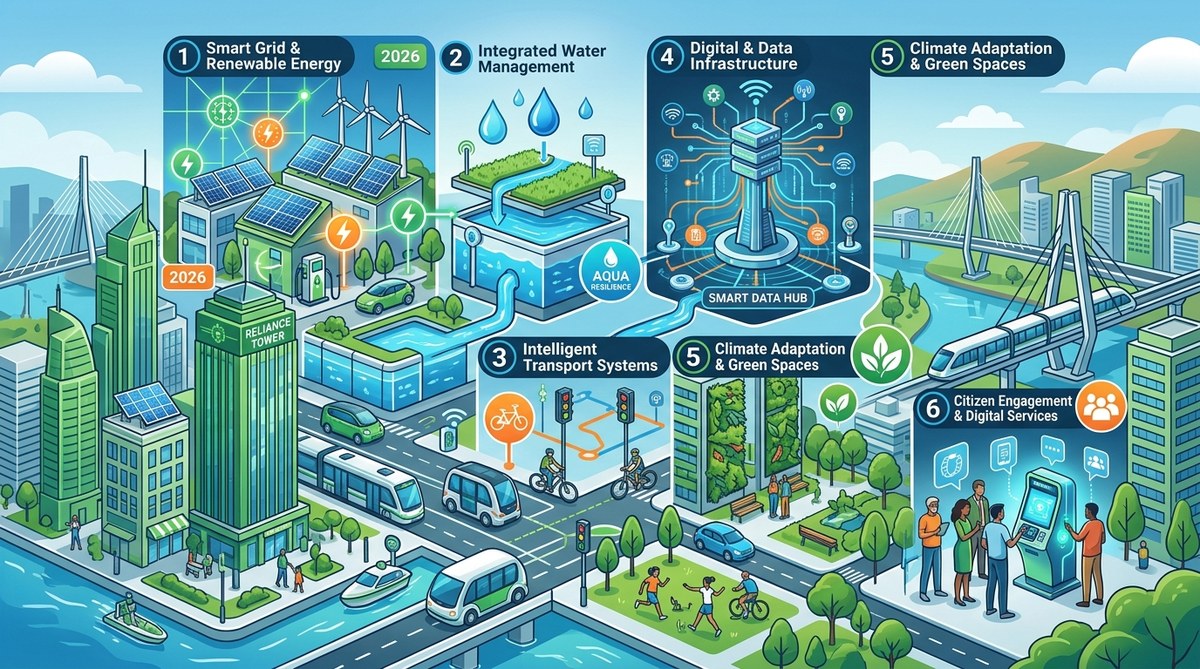
Think about the last time your city faced a heat wave, a flood, or a sudden surge in traffic. Did it bend or did it break? Urban resilience is no longer just about bouncing back from disasters. It is about bouncing forward. In 2026, cities across the United States and around the globe are using smart technologies to anticipate shocks, adapt in real time, and protect the people who call them home. For urban policymakers and planners, the question is no longer whether to invest in smart city urban resilience. The question is which policies actually work.
Smart city urban resilience in 2026 is driven by six policy pillars: data driven emergency response, adaptive infrastructure financing, green building mandates, integrated mobility networks, community based digital platforms, and circular resource management. These policies shift cities from reactive to proactive, reducing costs, saving lives, and building long term adaptive capacity.
What Resilience Really Means for a Smart City
Resilience used to be about stronger levees and backup generators. Today, it is about networks that learn. A smart city uses sensors, predictive analytics, and real time communication to spot trouble before it happens. That could mean rerouting traffic away from a flash flood or adjusting energy loads during a heat wave. The goal is to keep essential services running while protecting the most vulnerable residents.
But technology alone is not enough. The best smart city urban resilience strategies combine digital tools with thoughtful policy. When a city passes an ordinance that requires all new buildings to include rooftop solar and rainwater capture, that is a policy that builds resilience on a block by block basis. When a city shares open data on air quality and flood zones, that is a policy that empowers citizens to make informed choices.
Six Smart City Policies Reshaping Urban Resilience
These six policies are not hypothetical. They are already being tested and scaled in cities from Miami to Copenhagen. Each one addresses a specific vulnerability and uses smart technology to strengthen the urban fabric.
-
Real time risk mapping for emergency response. Cities are deploying IoT sensors that measure rainfall, river levels, and soil saturation. That data feeds into a digital twin that updates every minute. When a storm hits, emergency managers know exactly which streets to close and which shelters to open. In 2026, Houston uses this system to cut flood response times by 40 percent.
-
Adaptive infrastructure financing tied to performance. Instead of building a seawall and hoping it works, some cities now issue resilience bonds. These bonds pay investors higher returns if the infrastructure prevents a certain amount of damage. Smart sensors monitor the seawall’s condition and trigger maintenance before failures occur. This policy aligns financial incentives with actual outcomes.
-
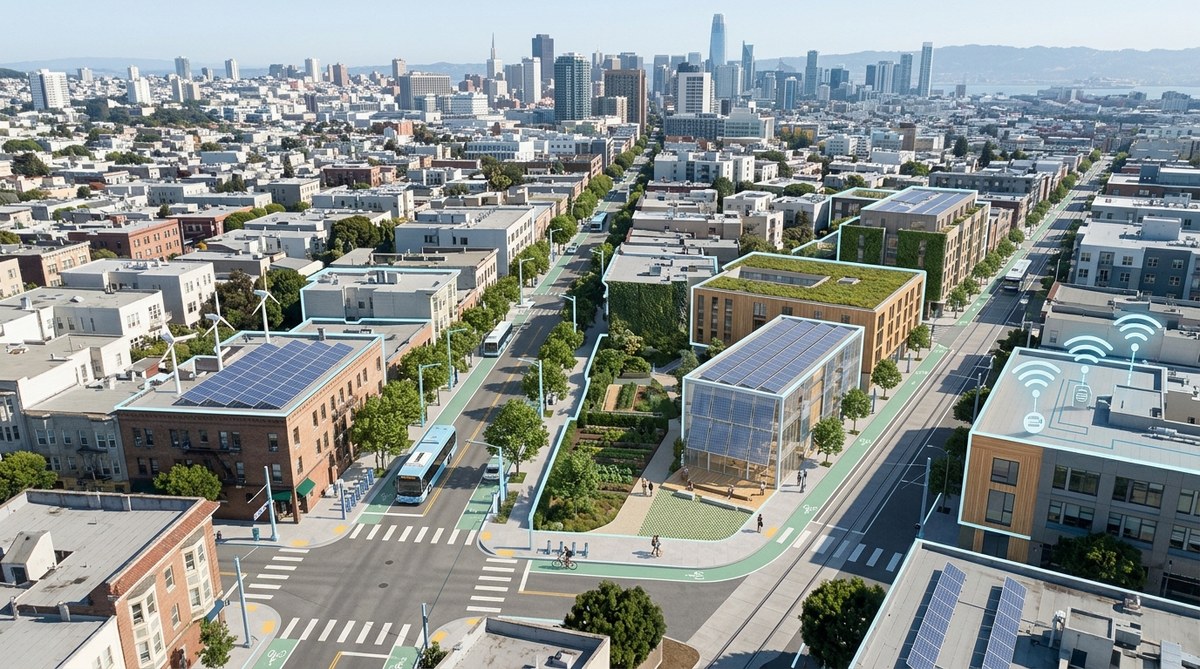
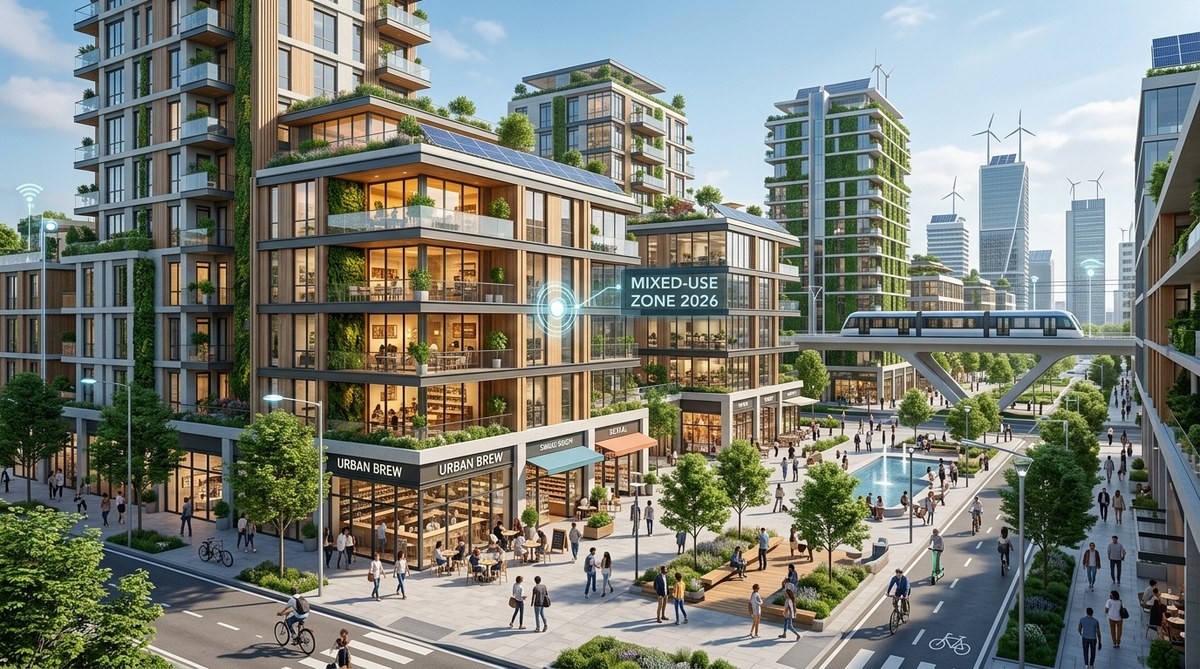
Green building mandates with smart water and energy management. Cities like San Francisco require all new commercial buildings to include greywater recycling systems and smart grids. These buildings can island themselves from the main utility grid during outages. They also reduce strain on municipal water and power systems during peak demand.
-
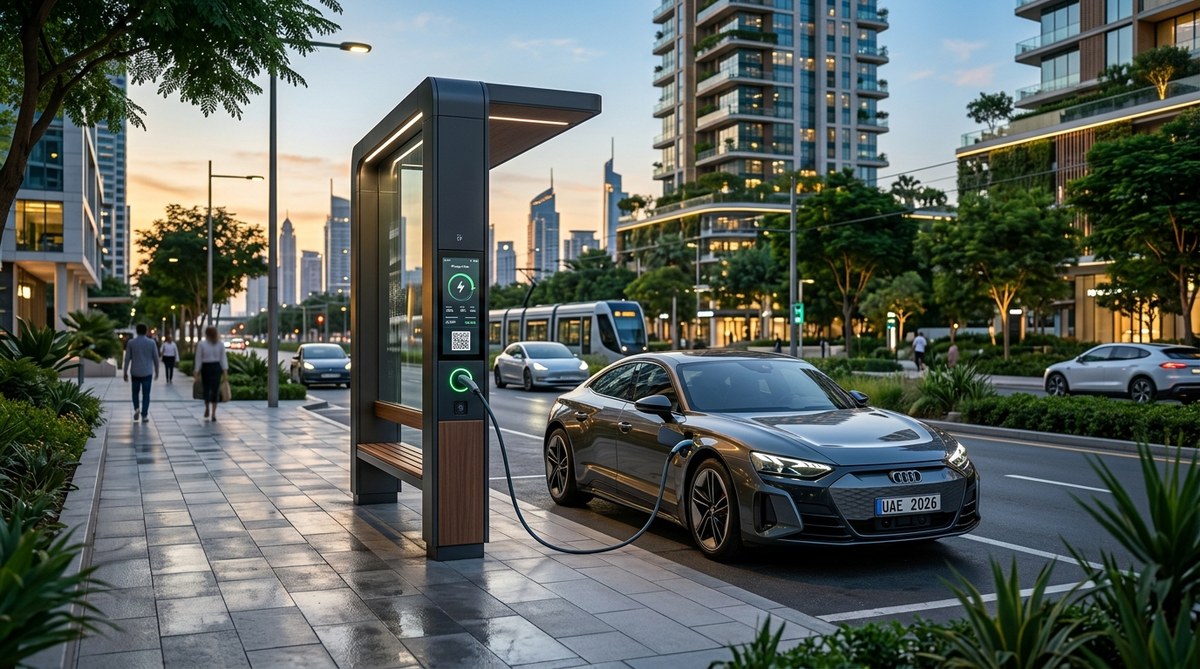
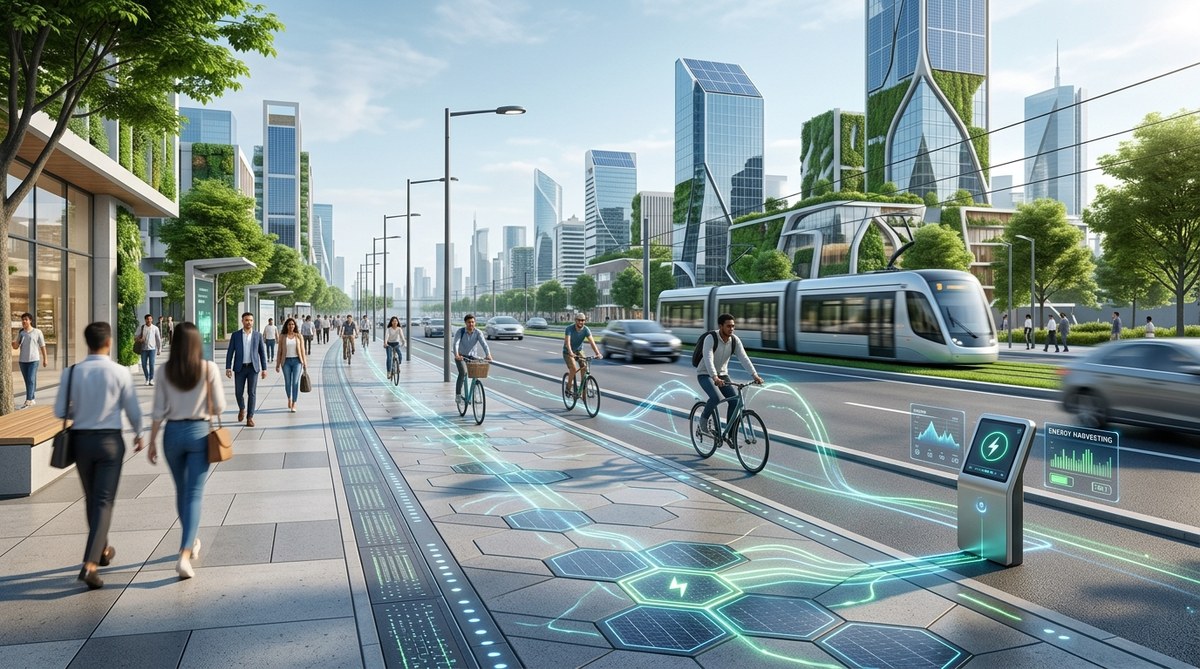
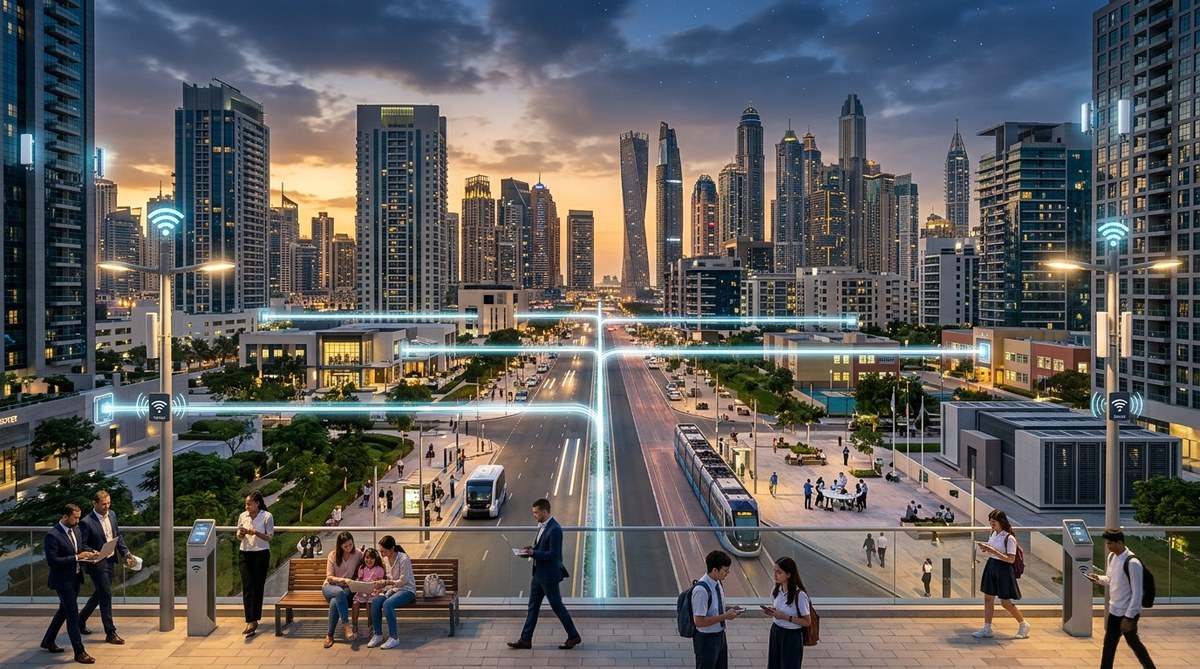
Integrated mobility networks that adapt on the fly. Smart traffic lights, autonomous shuttle zones, and dynamic tolling work together to keep people moving even when roads are damaged. During an emergency, these systems give priority to evacuation routes and emergency vehicles. In Los Angeles, the city’s mobility data platform has cut average commute times by 15 percent while also improving evacuation capacity.
-
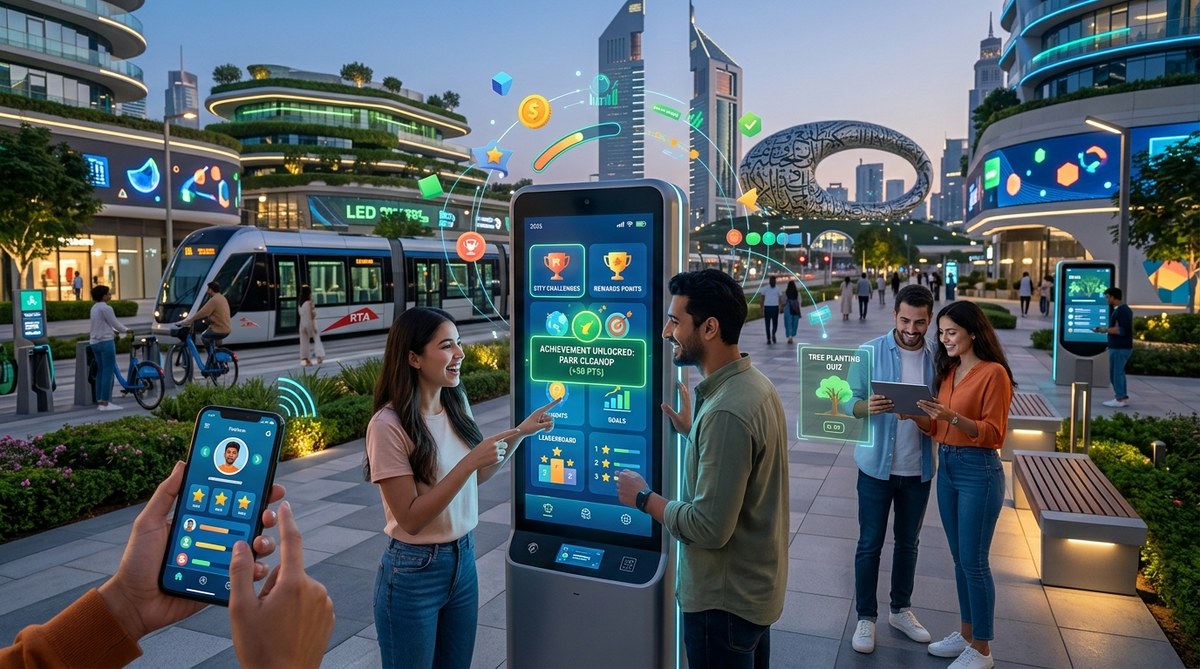
Community based digital platforms for crisis communication. Resilience is not just about infrastructure. It is about trust. Cities are launching apps and text alert systems that let residents report hazards, receive personalized warnings, and connect with neighbors. In Detroit, a platform called Resilient Neighbors has helped block clubs coordinate snow clearing and check ins during extreme weather.
-
Circular resource management for waste and water. Smart bins that signal when they are full, leak detection sensors on water pipes, and AI driven recycling sorting all reduce waste and conserve resources. A circular approach means that one system’s output becomes another system’s input. For example, organic waste from restaurants can be turned into biogas that powers city buses.
A Practical Framework for Building Smart Urban Resilience
Policymakers often ask where to start. The most effective approach is a four step cycle that any city can adapt to its own context.
- Assess vulnerabilities. Use historical data, climate models, and community input to map your city’s weak points. Prioritize the risks that affect the most people.
- Select appropriate technologies. Not every city needs a full digital twin. Start with a few high impact sensors and build from there. Focus on interoperability so that systems can share data.
- Design policies that enable adoption. Pass ordinances that require new buildings to include smart water meters or that fund low income neighborhoods with smart street lighting. Make resilience a requirement, not an afterthought.
- Monitor, evaluate, and iterate. Set clear metrics like reduced flood damage costs or faster emergency response times. Review the data quarterly and adjust policies as new challenges emerge.
This framework works because it treats resilience as a continuous process, not a one time project.
Common Pitfalls and How to Avoid Them
Even the best intentions can lead to wasted resources if the policy is not designed carefully. The table below outlines three frequent mistakes and the smarter alternatives.
| Mistake | Why It Hurts Resilience | Smarter Approach |
|---|---|---|
| Buying flashy tech without community input | Sensors and dashboards sit unused because residents do not trust them or know how to use them. | Co design platforms with local leaders. Run pilot programs in underserved neighborhoods first. |
| Siloing data across city departments | The water department has flood data, but the transportation department does not see it. Emergency response suffers. | Create a central data sharing agreement with standard formats. Use an open data portal that all departments can access. |
| Funding only wealthy neighborhoods | Resilience gaps widen. Poorer areas are less prepared and recover more slowly. | Tie resilience funding to equity metrics. Target at least 40 percent of investments to low income and marginalized communities. |
Avoiding these pitfalls requires leadership that prioritizes coordination and fairness over quick wins.
Expert Advice: What Policymakers Need to Know
“The most resilient cities are not the ones with the most gadgets. They are the ones where technology serves a clear human purpose. Start with the question: who is most at risk, and how can we help them? Then choose the tools that answer that question. Never let a sensor become a substitute for a conversation with your residents.” Dr. Amara Chen, director of urban resilience at the Global Smart City Institute
That advice cuts to the heart of smart city urban resilience. Technology is an amplifier. It can make good policies great, but it cannot fix bad policies. When you involve residents early and treat their lived experience as valuable data, your investments will pay off many times over.
Tying It All Together for Your City
Resilience is not a destination. It is a muscle that your city must exercise every day. The six policies above give you a starting point, but the real work happens when you adapt them to your local climate, your existing infrastructure, and your community’s needs. Start with one policy, run a pilot, measure the results, and then expand.
The cities that thrive in 2026 and beyond are the ones that treat resilience as a core function of governance, not an add on. By weaving smart technology into well crafted policy, you can protect your residents, reduce long term costs, and build a city that is ready for whatever comes next. If you are looking for deeper guidance on building smarter infrastructure, our article on innovative strategies for building smarter urban infrastructure offers practical steps for implementation. For more on how data transforms urban living, check out harnessing data analytics to transform urban living in smart cities. And if you are curious about green development trends, see the future of green urban development.
Now go talk to your community. Listen to their fears and their hopes. Then use the tools and policies in this article to build a city that not only survives but thrives. You have everything you need to get started.




Leave a Reply