
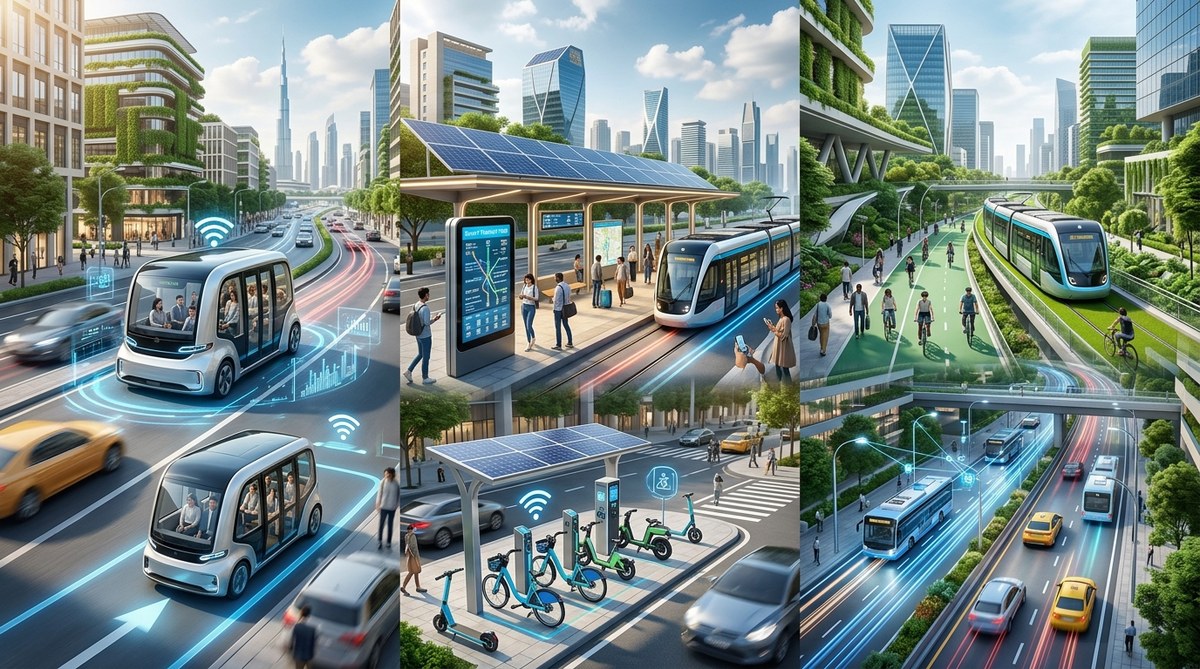
A subway train pulls into a station that knows exactly how many passengers are waiting on the platform. The bus you board adjusts its route in real time to avoid traffic before it happens. Your transit card works across every mode of travel, and the fare is calculated based on how far you go, not a flat fee. This is not a sci-fi fantasy. In 2026, these capabilities are already reshaping how cities move.
Smart city public transportation in 2026 is defined by three forces: real-time data integration, electrification of fleets, and seamless mobility-as-a-service platforms. Planners who adopt these trends can cut emissions by up to 40%, reduce commute times, and improve rider satisfaction. The key is starting with small, data-driven pilot projects that scale naturally.
What Is Driving the Shift in 2026?
Public transit systems around the United States are under pressure. Ridership in many cities still hasn’t returned to pre pandemic levels. At the same time, federal funding through the Infrastructure Investment and Jobs Act is pushing agencies to modernize. Urban populations are growing, and younger riders expect app based convenience.
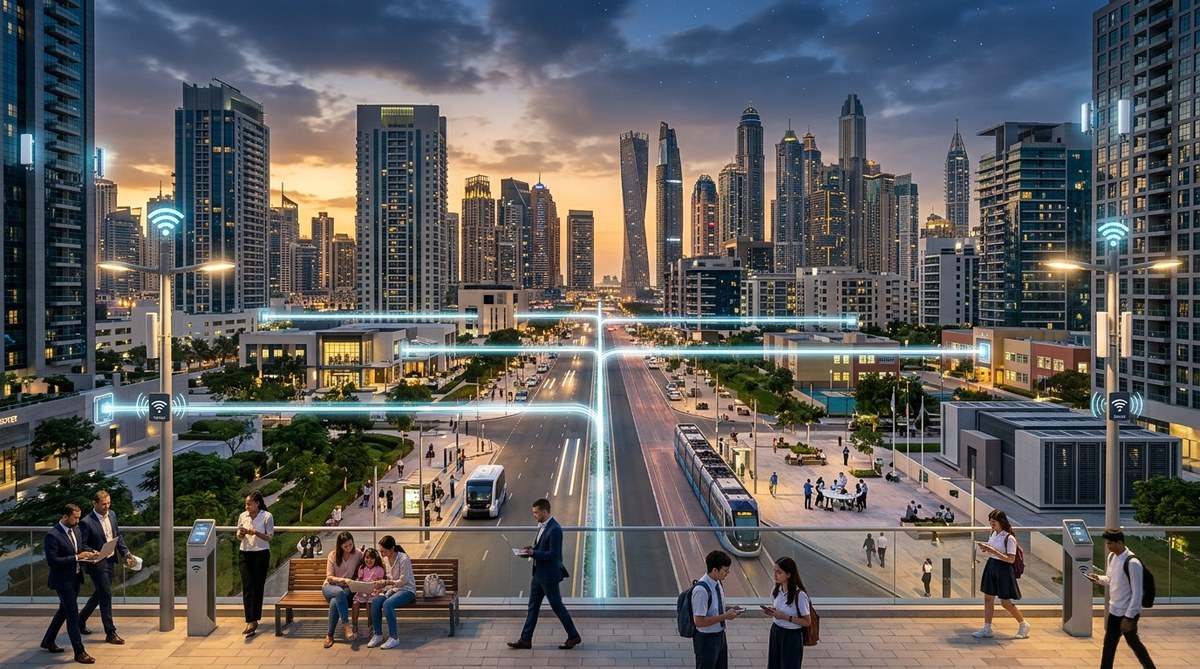
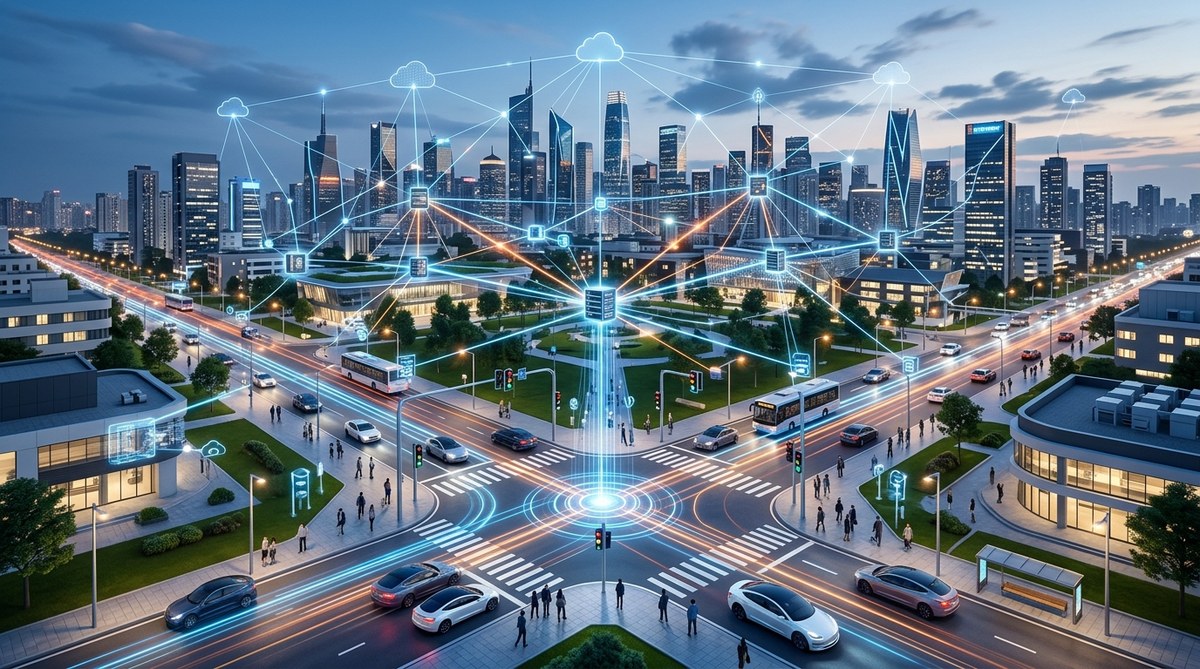
The solution is not just new buses or trains. It is smarter infrastructure. By weaving sensors, artificial intelligence, and open data standards into the fabric of transit, cities can deliver better service without tearing up streets. The five initiatives highlighted on the pillar page show exactly this in action.
The Core Trends Reshaping Transit
Let’s look at the biggest movements changing how people move through cities this year.
1. Artificial Intelligence for Dynamic Routing
Static bus routes are becoming a thing of the past. In 2026, AI algorithms analyze real time demand data from ticketing systems, mobile apps, and traffic sensors. They then adjust vehicle deployment on the fly.
For example, a system in Tempe, Arizona uses machine learning to predict which stops will have high demand on game days at the stadium. Extra buses are dispatched before the crowd leaves, cutting wait times by 20%. Similar pilots are running in Seattle and Austin.
This approach requires a solid data foundation. Cities need to collect historical and live ridership data, and they need the computing power to process it. But the payoff is huge: fewer empty buses, less fuel waste, and happier passengers.
2. Electrification Paired with Smart Charging
Electric buses are not new, but in 2026 the smart part is the charging infrastructure. Instead of plugging in at a depot overnight, newer systems use inductive charging pads embedded in the road at select stops. Buses get a boost while passengers board.
This cuts down the need for massive batteries and heavy vehicles. It also allows routes to run longer without returning to the depot. San Francisco’s new electric bus fleet uses this technology on its busiest lines, and early reports show energy costs down 30% compared to plug in alternatives.
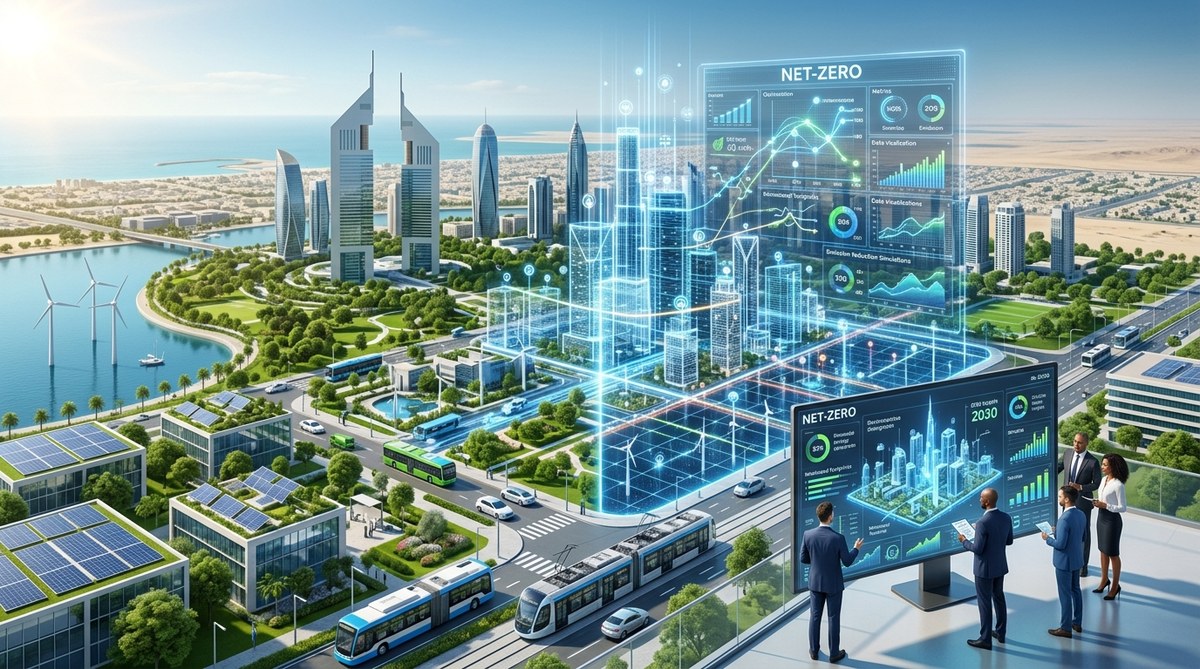
For planners, the shift to electric means rethinking grid capacity. Partnering with utilities early is a must. A good resource on this is our article on integrating renewable energy solutions to create sustainable urban ecosystems.
3. Mobility as a Service (MaaS) Platforms
MaaS apps already exist, but 2026 is the year cities start owning them. Instead of private companies like Uber or Lyft controlling the user experience, municipal agencies are rolling out their own platforms that combine public transit, bike share, e scooter rentals, and even ride hailing into one trip planner and payment system.
Los Angeles’s “LA Co Mobility” app lets you plan a trip that starts with a bus, switches to a shared e bike, and ends with a short walk. You pay one fare for the whole journey. The system uses open APIs so private operators can plug in, but the city sets the rules.
This trend forces agencies to think like tech companies. They need user experience designers, software developers, and data privacy experts on staff. But the result is a transit system that feels just as seamless as the best consumer apps.
4. Predictive Maintenance Using IoT Sensors
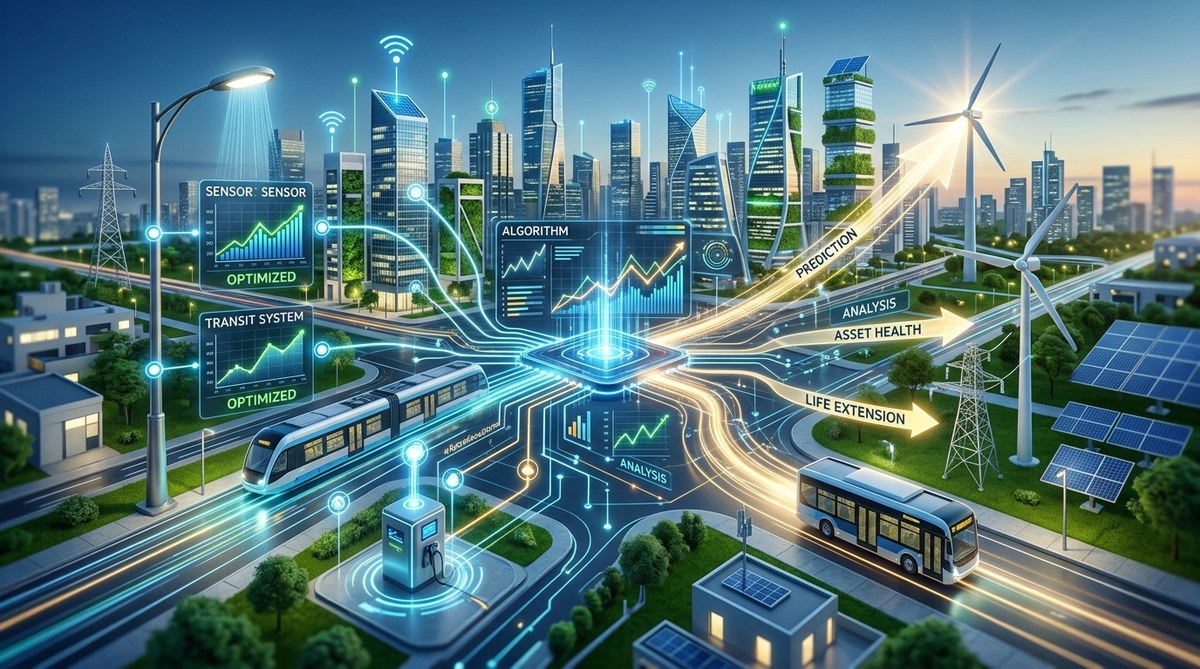
A broken down bus or a stuck train door can ripple through the entire network. In 2026, Internet of Things (IoT) sensors on vehicles and tracks send constant performance data to a central platform. Machine learning models predict failures before they happen.
Denver’s Regional Transportation District now replaces brake pads and cooling fans based on wear patterns, not calendar intervals. This predictive maintenance strategy has cut unplanned breakdowns by 45% since 2024. The saved maintenance hours are redirected to other critical fixes.
The upfront cost of installing sensors is not trivial, but the return on investment is clear. Every hour of reduced downtime means more reliable service for riders.
5. Data Driven Fare Policies and Equity
Transit agencies are using anonymized trip data to redesign fare structures. The old model of a flat $2.50 per ride often hurts low income riders who make short trips. In 2026, several cities have shifted to distance based or income based pricing.
For instance, Portland’s “Fair Fares” program uses data from the regional smart card to calculate a personalized daily cap. No rider pays more than 3% of their household income per month on transit. The system automatically stops charging once the cap is reached.
This approach requires robust data governance. Privacy protections must be built in from day one. But when done right, it makes transit more equitable while still covering operating costs.
Traditional vs. Smart: A Side by Side Comparison
The following table highlights key differences between conventional public transit operations and the smart city approach in 2026.
| Aspect | Traditional Approach | Smart City Approach |
|---|---|---|
| Route planning | Fixed schedules set months ahead | Dynamic routing based on real time demand |
| Fleet maintenance | Time based inspections | Predictive maintenance via IoT sensors |
| Fare collection | Cash or single use tickets | Unified digital account with distance based pricing |
| Rider information | Static maps and paper schedules | Real time app with multimodal trip planning |
| Energy source | Diesel or natural gas | Electric with on route inductive charging |
| Data usage | Limited to annual ridership reports | Continuous anonymized data for optimization |
How to Kickstart a Smart Transit Pilot
If you are an urban planner or transit official looking to bring these trends to your city, here is a practical sequence of steps.
- Audit your data maturity. Before adding sensors, understand what data you already collect. Many agencies have untapped streams from fare collection or AVL systems. Clean and standardize that data first.
- Pick one corridor for a pilot. Do not try to transform the whole network at once. Select a high ridership bus line or a downtown streetcar loop. The pilot should be long enough to gather meaningful data (at least six months).
- Partner with a technology vendor who uses open standards. Avoid proprietary lock in. Look for platforms that support MDS or GBFS. This ensures your system can connect with future partners.
- Set clear KPIs. Measure average wait times, on time performance, energy consumption, and rider satisfaction. Compare against baseline data from the previous year.
- Communicate early with the public. Explain what you are doing and why. Use signs on the pilot vehicles and push notifications through existing apps. Transparency builds trust.
- Scale based on results. If the pilot shows a 15% improvement in on time performance, expand to the next corridor. If not, adjust the algorithms or hardware. Learn and iterate.
Key Benefits at a Glance
- Reduced congestion: Smarter routing spreads demand across the network.
- Lower emissions: Electrification and efficient operations cut CO2.
- Better rider experience: Real time info and seamless payments reduce friction.
- Cost savings: Predictive maintenance and dynamic deployment lower operational waste.
- Equity gains: Income based fares and better service for underserved areas.
Overcoming Common Challenges
Adopting new technology is not always smooth. Let’s address three frequent roadblocks.
Data privacy concerns are the top worry for riders and city councils. The solution is to use secure, anonymized data pipelines. Never store personally identifiable information. Let an independent auditor verify your systems.
Budget constraints are real. Federal grants for smart mobility initiatives are available, but competition is stiff. Start with low cost pilots that rely on existing infrastructure. For example, you can add predictive analytics to a current fleet management system before buying new vehicles.
Staffing gaps in data science and software engineering can slow progress. Partner with local universities to bring in interns or co op students. Many cities have also created a “chief innovation officer” role to lead digital transformation.
“The cities that succeed are the ones that treat transit like a service, not a utility. They focus on the user experience and let technology follow that goal.”
Dr. Maria Chen, Director of Smart Mobility at the University of Texas Center for Transportation Research
Looking Ahead: What the Next Five Years Hold
The trends of 2026 are just the beginning. By 2028, we will likely see autonomous shuttles integrated into MaaS platforms along with drone based cargo deliveries using the same public transit rights of way. The underlying architecture these cities build today will make that future smoother.
For a broader view of how smart infrastructure fits into the whole urban ecosystem, check out our piece on innovative strategies for building smarter urban infrastructure. If you want to go deeper into the technologies powering next generation mobility, our article on what are the key technologies driving next generation smart city mobility is a great companion read.
Your City’s Next Move
The evidence is clear: smart city public transportation trends in 2026 are not optional for cities that want to stay competitive and livable. The technology exists. The funding is available. The riders are ready. What is missing in many places is the courage to start small and iterate.
Pick one line. One sensor. One data set. Start there. Show your mayor and your taxpayers that the future of transit is not just cleaner or cheaper. It is smarter. And it starts with the decisions you make today.

Leave a Reply