
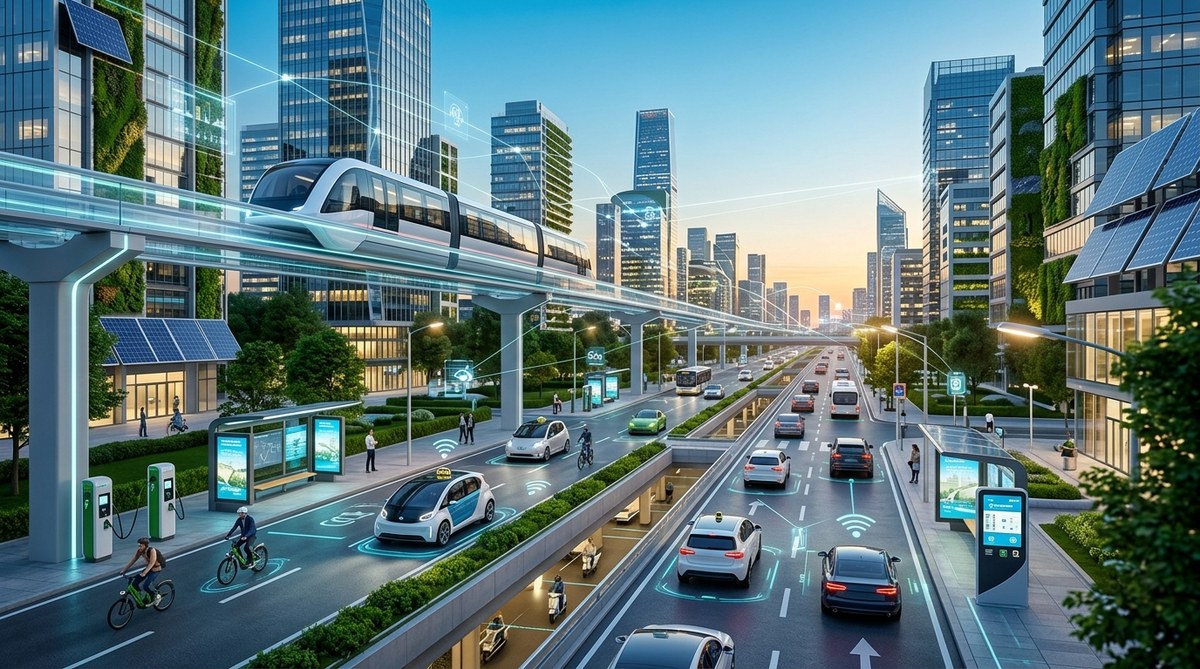
Urban environments are evolving rapidly. Cities worldwide are embracing a new wave of mobility solutions that aim to make transportation safer, more efficient, and sustainable. The backbone of these advancements lies in a suite of innovative technologies that are reshaping how we move through urban spaces. Understanding these smart city mobility technologies helps urban planners, city officials, and technology professionals craft smarter, more responsive cities that meet future demands.
Smart city mobility technologies encompass connected systems, autonomous vehicles, IoT integration, and data-driven infrastructure. They enable cities to improve transportation, reduce congestion, and enhance urban sustainability through innovative solutions tailored for tomorrow’s needs.
How Technology Is Driving the Future of Urban Transportation
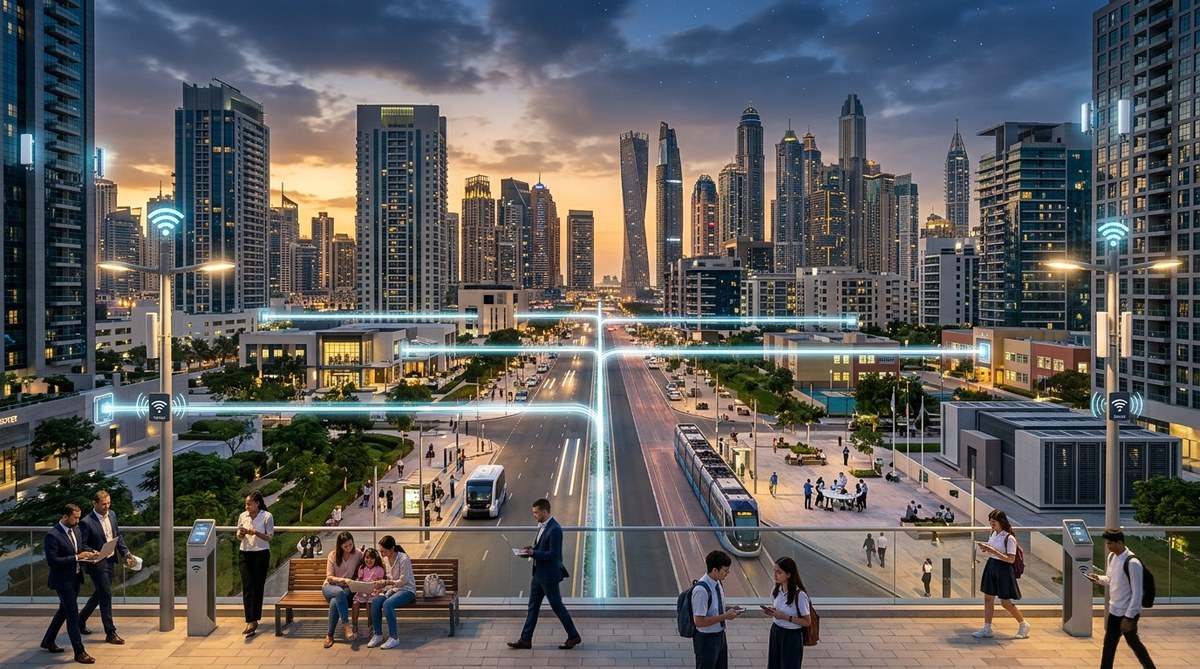
Many factors are pushing cities toward smarter mobility. Traffic congestion, pollution, and the need for equitable access demand solutions that are both innovative and practical. Technologies like connected traffic management systems, electric and autonomous vehicles, and IoT sensors are leading this transformation. They work together to create a seamless, efficient, and environmentally friendly urban transit ecosystem.
The Core Technologies Behind Smart City Mobility
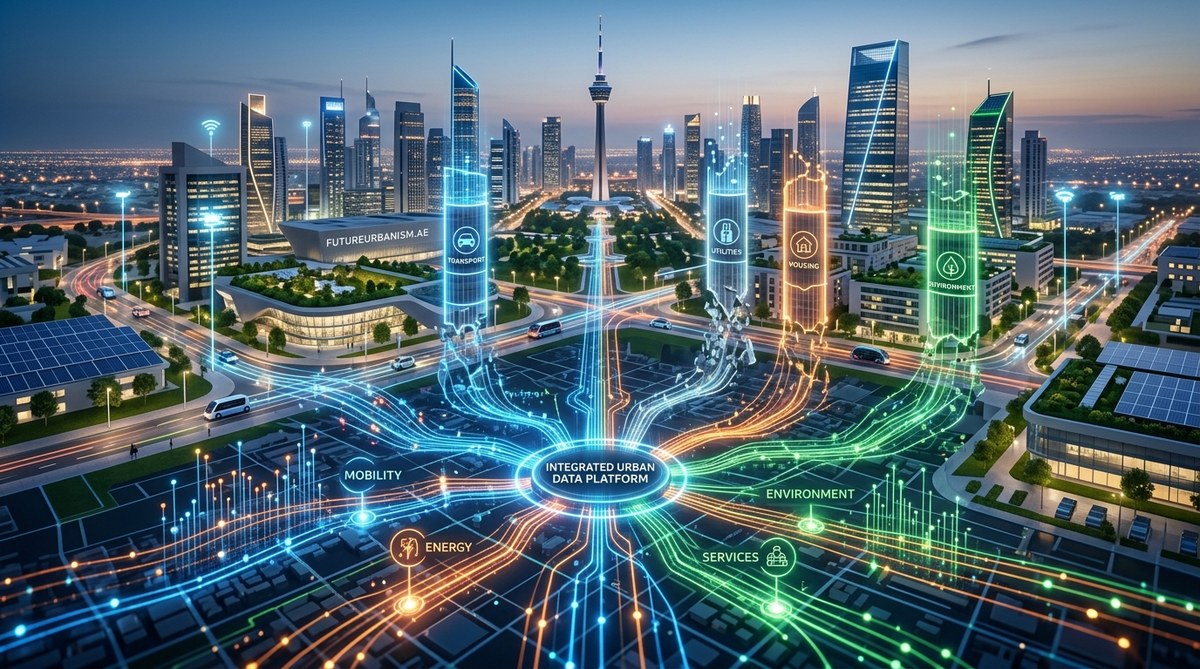
Smart city mobility hinges on several key technological pillars. These innovations are not isolated; they intertwine to create an integrated network that optimizes transportation at every level.
1. Connected Traffic Management Systems
Traffic congestion remains a major challenge in urban areas. Smart traffic lights, GPS-based routing, and real-time traffic data allow cities to adapt dynamically. These systems analyze data from sensors, cameras, and connected vehicles to optimize traffic flow, reduce wait times, and prevent bottlenecks.
2. Autonomous Vehicles and Electric Fleets
Self-driving cars and autonomous shuttles are revolutionizing how people and goods move. These vehicles rely on advanced sensors, AI, and machine learning to navigate safely and efficiently. Electric fleets further reduce emissions, aligning with sustainability goals. Cities like Singapore and Dubai are already deploying autonomous shuttles to enhance public transit.
3. Internet of Things and Data Analytics
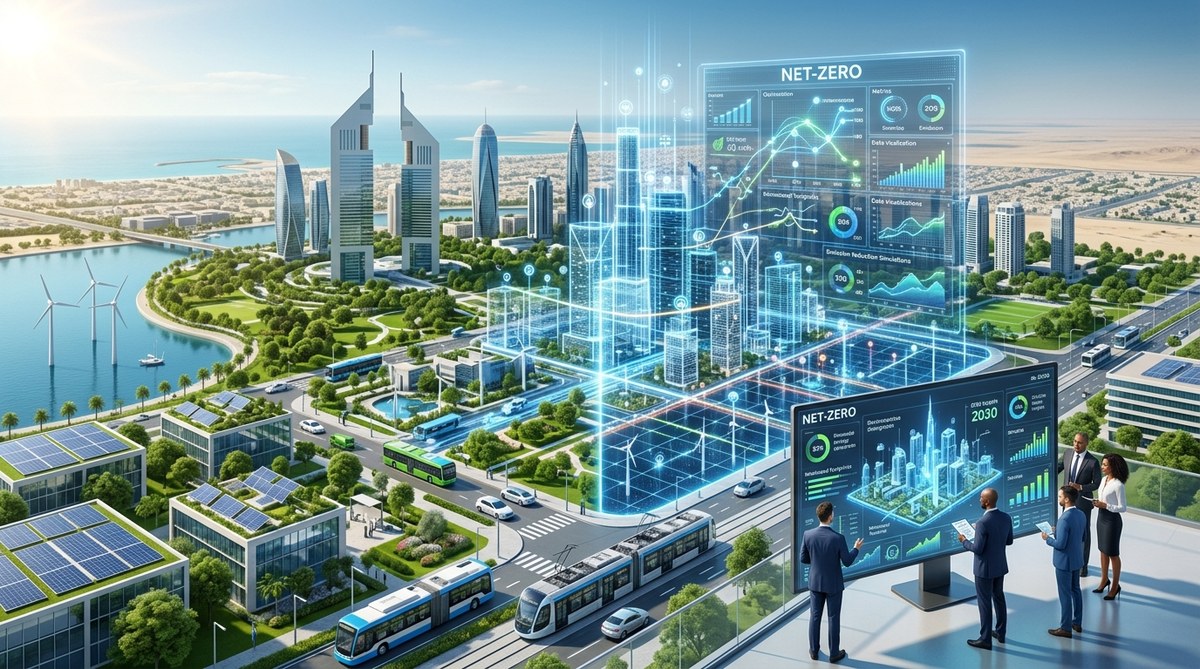
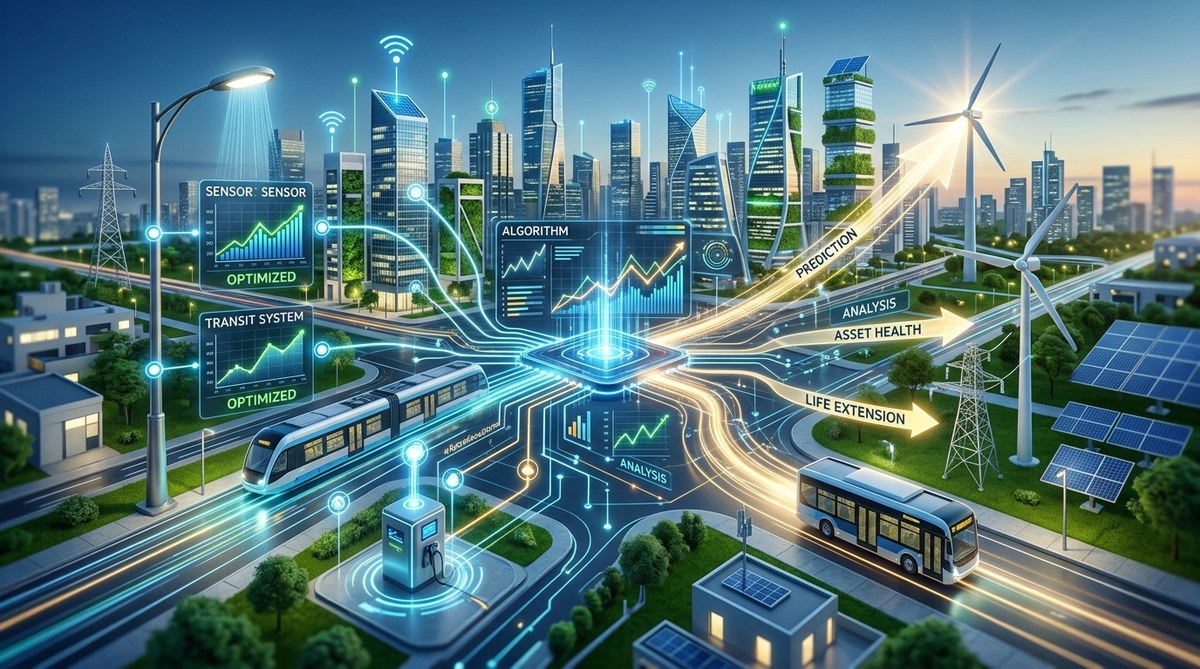
IoT devices embedded throughout urban infrastructure collect vast amounts of data. From parking sensors to smart streetlights, these devices provide insights that inform decision-making. Data analytics tools process this information to predict traffic patterns, plan maintenance, and improve service delivery.
4. Microtransit and On-Demand Services
Mobility as a service (MaaS) platforms integrate multiple transit modes, allowing users to plan, book, and pay for trips seamlessly. Microtransit services, like shared shuttles and on-demand minibuses, fill gaps in traditional transit networks. They offer flexible, cost-effective options for last-mile connectivity.
5. Smart Infrastructure and Energy Solutions
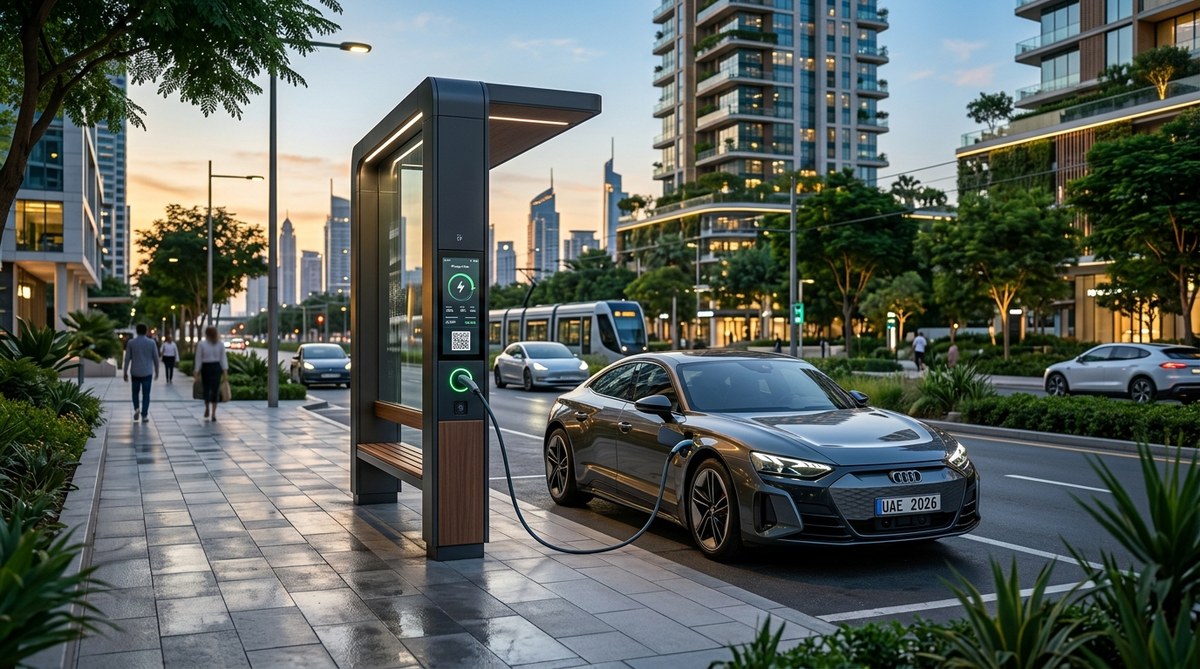
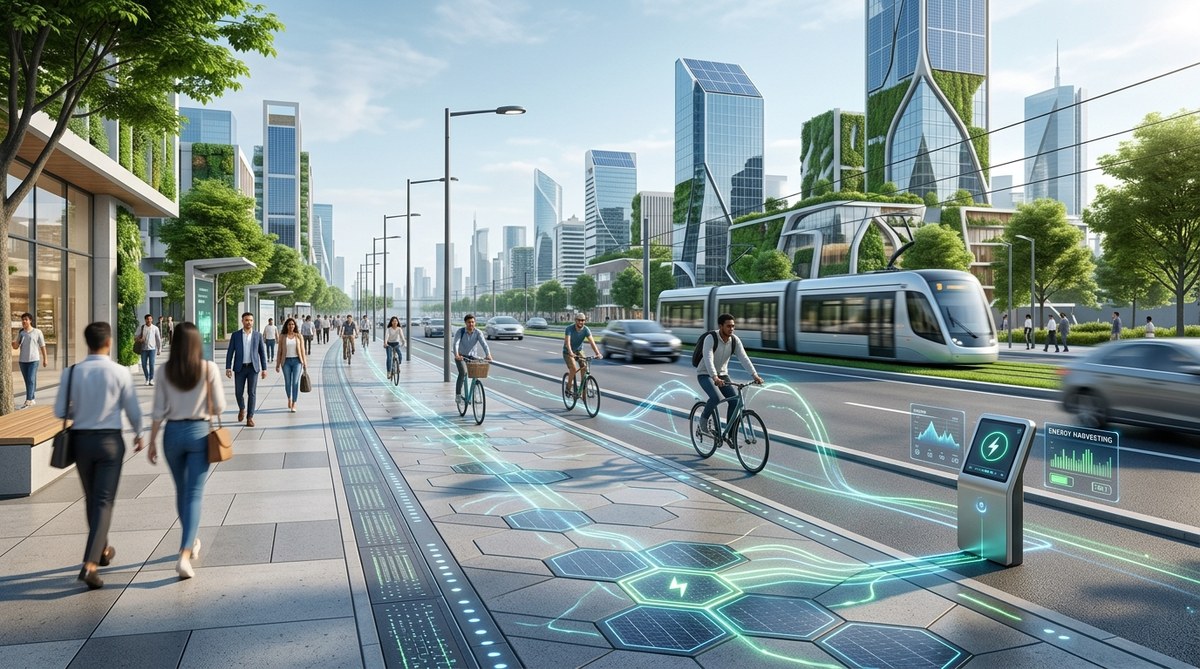
Smart roads equipped with energy harvesting capabilities and adaptive lighting help lower energy consumption. These systems support electric vehicle charging, energy-efficient lighting, and even roads that produce music or harvest solar energy, enhancing both functionality and user experience.
Practical Steps for Implementing Smart Mobility Technologies
Cities aiming to modernize their transportation networks can follow a strategic process:
-
Assess Current Infrastructure
Evaluate existing transportation assets, data collection systems, and technological readiness. -
Identify Priority Areas
Focus on congestion points, underserved communities, and sustainability goals. -
Integrate Technologies Gradually
Pilot projects like connected traffic lights or microtransit services to test effectiveness. -
Leverage Data for Continuous Improvement
Use analytics to monitor performance, optimize routes, and predict future needs. -
Foster Collaboration
Work with technology providers, urban planners, and community stakeholders to ensure solutions meet diverse needs.
Common Pitfalls and How to Avoid Them
| Technique | Mistake | Solution |
|---|---|---|
| Data collection | Overloading systems with unfiltered data | Focus on relevant metrics and implement data governance |
| Autonomous vehicle deployment | Underestimating infrastructure upgrades | Invest in smart roads and charging stations beforehand |
| IoT device deployment | Lack of cybersecurity measures | Prioritize secure networks and regular updates |
| On-demand service expansion | Ignoring user feedback | Incorporate community input to refine services |
“Effective deployment of smart mobility solutions requires a balanced approach that combines technological innovation with community engagement and robust infrastructure planning,” advises urban mobility expert Dr. Lisa Chen.
Examples of Cities Leading the Way
- Singapore has integrated a comprehensive smart traffic management system that reduces congestion and improves air quality. Their Intelligent Transport System combines real-time data, AI, and IoT sensors to adapt traffic signals and optimize routes.
- Barcelona has implemented a smart parking system that guides drivers to available spots, reducing circling time and emissions.
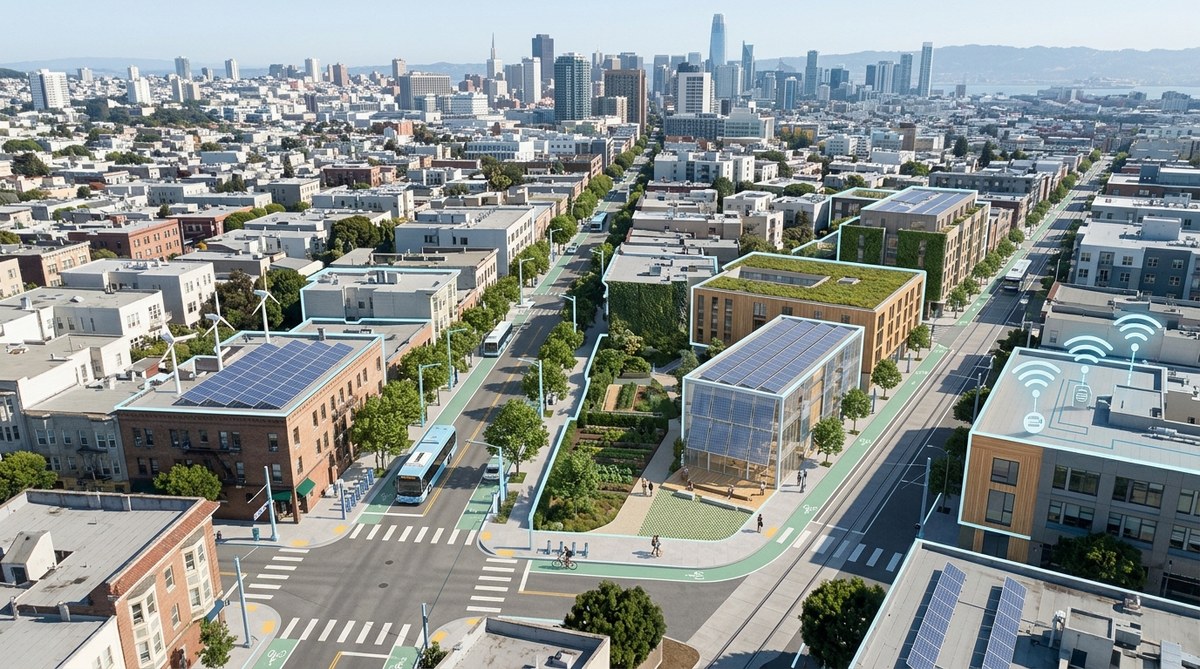
- San Francisco continues expanding its electric and autonomous vehicle fleets, working toward a cleaner, more efficient transit network.
The Road Ahead for Smart City Mobility
Advances in technology will continue to push urban transportation forward. Emerging solutions like vehicle-to-infrastructure communication and AI-powered predictive analytics will make mobility more intuitive and sustainable. For city leaders, staying informed about these developments is vital to building resilient, livable urban spaces.
Final Thoughts on Shaping Smarter Cities
Adopting smart city mobility technologies is more than just installing new gadgets; it involves rethinking how cities function. By integrating connected systems, autonomous vehicles, and data-driven infrastructure, urban areas can create transportation networks that are safer, greener, and more inclusive. Planning thoughtfully and embracing innovation will ensure cities remain vibrant and adaptable for generations to come.
For those involved in urban planning or city governance, applying these insights can lead to tangible improvements in daily life, making city living more convenient and sustainable. Embrace the possibilities and lead your community into a smarter, more connected future.

Leave a Reply