
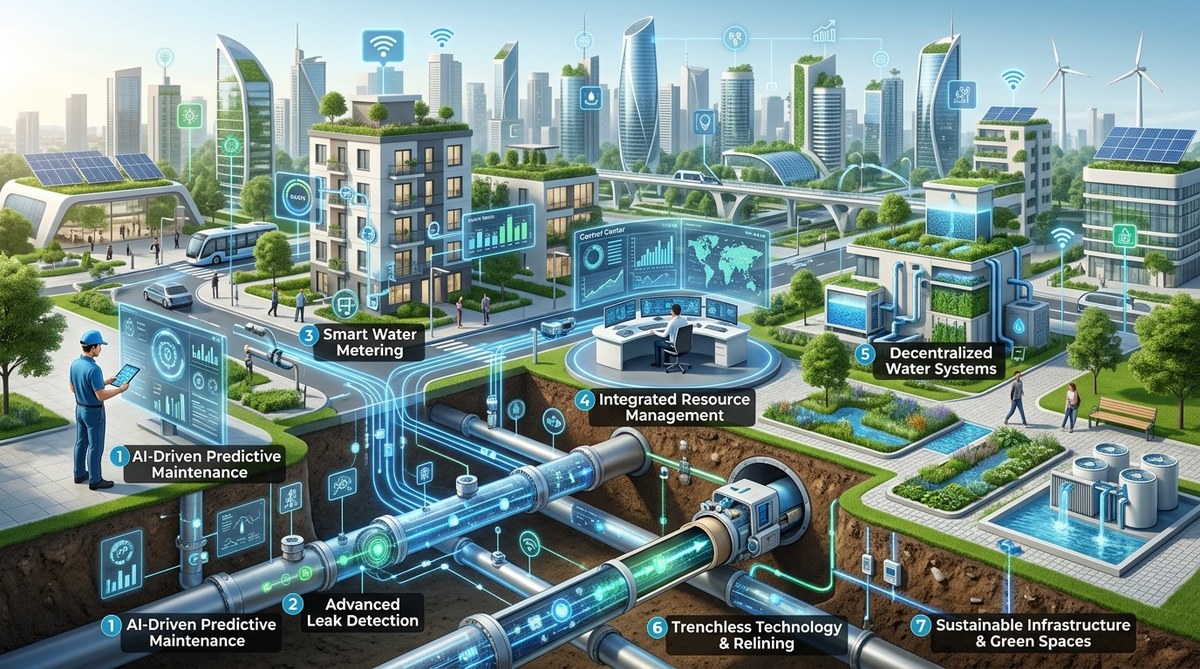
The ground beneath our oldest cities holds a hidden crisis. Pipes laid down over a century ago are rusting, cracking, and leaking. In the United States, a major water main bursts every two minutes, wasting billions of gallons of treated water. The old way of digging up entire blocks to replace pipes is too slow, too expensive, and too disruptive. But in 2026, we have a better path forward. By weaving smart technology into these legacy systems, we can retrofit what already exists instead of tearing it all out. This is not about building a brand new network from scratch. It is about making the one we have work smarter, last longer, and serve communities more reliably.
Retrofitting aging water infrastructure with smart city technologies is the most cost-effective way to reduce water loss, prevent catastrophic failures, and extend pipe life. By layering IoT sensors, data analytics, and predictive algorithms onto existing networks, cities can save up to 30 percent on operational costs while improving service for residents. The seven strategies outlined here provide a clear roadmap for any municipality ready to modernize.
Why old pipes need a digital upgrade
Most water utilities in the US operate on a reactive model. They wait for a pipe to break, then send a crew to fix it. This approach is expensive and inefficient. The American Society of Civil Engineers gives our drinking water infrastructure a grade of C-, and the gap between what we spend and what we need is in the billions. Retrofitting aging water infrastructure with smart city tools changes that equation. Instead of reacting to failures, you predict them. Instead of guessing where leaks are, you detect them in real time. Instead of replacing entire pipe sections, you target only the parts that need attention.
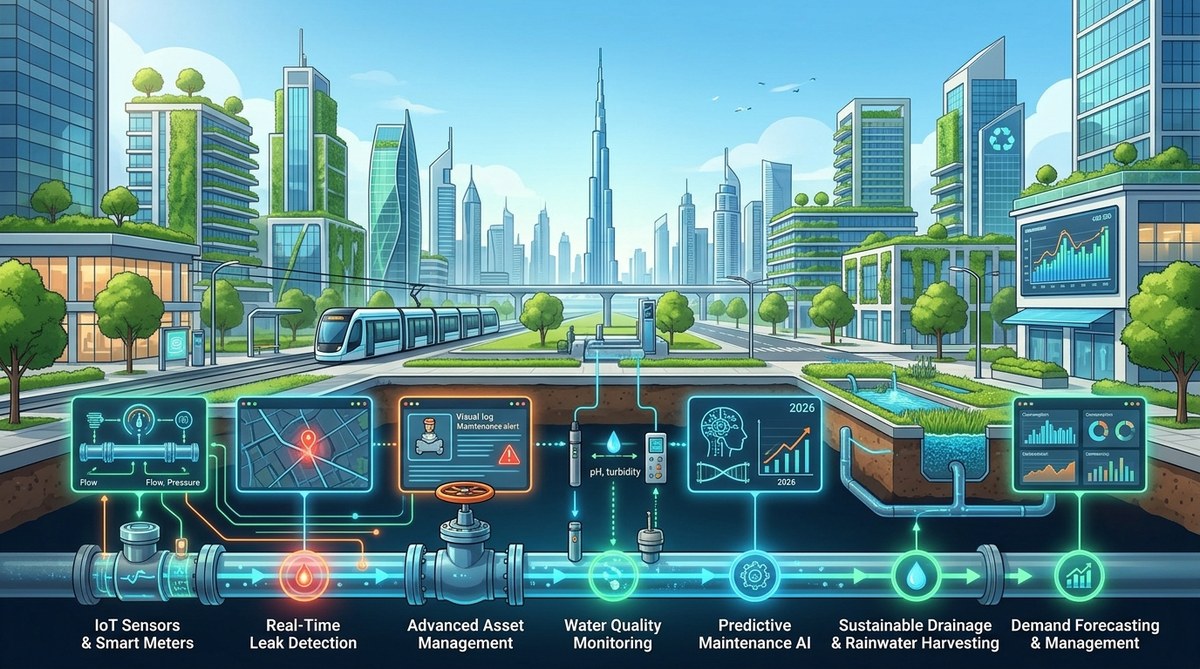
The core idea is simple: add intelligence to the physical system. This means installing sensors, connecting them to a network, and using software to turn raw data into action. Let’s look at the seven specific strategies that make this possible.
1. Deploy acoustic and pressure sensors across the network
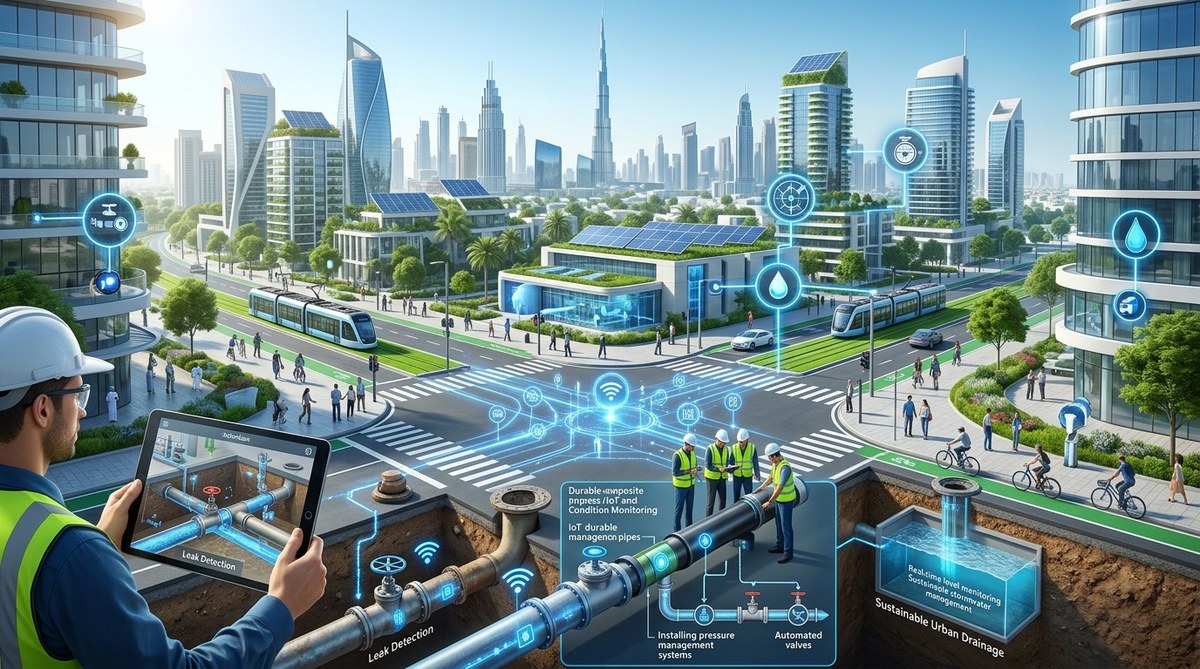
The first step in any retrofit is knowing what is happening inside your pipes right now. Acoustic sensors listen for the sound of water escaping through a crack. Pressure sensors detect sudden drops that signal a rupture. These devices are small, battery-powered, and can be attached to existing fire hydrants or valve boxes without digging.
Data from these sensors flows to a central dashboard. When a leak is detected, the system sends an alert to the maintenance team with the exact location. In cities like Cincinnati and San Francisco, this approach has cut leak detection time from weeks to hours. For a civil engineer or utility director, this is the lowest hanging fruit. It gives you immediate visibility into system health.
2. Build a digital twin of your water system
A digital twin is a virtual copy of your entire water network. It uses data from sensors, historical records, and GIS maps to create a living model that updates in real time. You can run simulations on this model to see how the system will behave under different conditions.
Want to know what happens if a major pipe fails during a heat wave? The digital twin shows you. Planning to add a new development? Test the impact on water pressure before breaking ground. Digital twins help you make better decisions without touching a single pipe. They are especially powerful for retrofitting aging water infrastructure because they show exactly where the weak spots are.
3. Use predictive maintenance algorithms
Instead of fixing pipes on a fixed schedule, use algorithms to predict when a failure is likely. The software analyzes flow rates, pressure patterns, pipe age, material type, and soil conditions. It then assigns a risk score to every segment of the network.
High risk segments get inspected first. Low risk segments are left alone. This targeted approach saves money and reduces unnecessary digging. For example, the city of Louisville used predictive analytics to reduce emergency repairs by 40 percent. Their maintenance crews now spend more time on planned work and less time putting out fires.
4. Install smart valves for pressure management
High pressure causes pipes to fail. But many cities run their systems at higher pressure than needed because they lack fine control. Smart pressure reducing valves solve this. They adjust pressure dynamically based on demand, time of day, and system conditions.
Lower pressure means fewer bursts. It also means less water lost to leaks. In some pilot programs, smart valves reduced leakage by 25 percent without affecting customer service. The valves communicate with the central system and can be controlled remotely. This is a relatively low cost retrofit that pays for itself quickly through water savings.
5. Integrate real time water quality monitoring
Aging infrastructure is not just about leaks. Old pipes can also affect water quality. Corrosion, sediment buildup, and biofilm growth are common problems. Smart water quality sensors track parameters like chlorine levels, pH, turbidity, and temperature in real time.
If a sensor detects a drop in chlorine, the system can automatically adjust treatment at the source or flush the line. This protects public health and helps utilities comply with EPA regulations. It also builds trust with residents who worry about tap water safety. For urban planners, this is a clear win for both public health and community relations.
6. Connect everything through a city wide IoT network
All these sensors and valves need a way to talk to each other. A dedicated IoT network for water infrastructure is essential. LoRaWAN and NB-IoT are two common technologies that work well for this purpose. They are low power, long range, and can handle thousands of devices.
The network sends data to a central platform where it is analyzed and visualized. This platform should integrate with your existing GIS and asset management systems. The goal is a single pane of glass where you can see the health of your entire water system. When you are retrofitting aging water infrastructure, this connectivity is the backbone that makes everything else possible.
7. Create a community facing dashboard
The final strategy is about transparency. Create a public dashboard that shows residents real time information about their water system. This could include current water quality readings, planned maintenance work, and conservation tips.
When people see that the city is actively monitoring and improving the system, they become partners instead of critics. Some cities have even used gamification to encourage water conservation, awarding points to neighborhoods that reduce usage. This builds political support for continued investment in infrastructure upgrades.
Common pitfalls to avoid
Retrofitting is not without challenges. Here is a table of common mistakes and how to avoid them.
| Mistake | Why it happens | How to avoid it |
|---|---|---|
| Buying sensors without a data plan | Focus on hardware only | Design the analytics platform first |
| Ignoring cybersecurity | Old systems are vulnerable | Encrypt all data and use secure protocols |
| Overloading staff with alerts | Too many false positives | Tune algorithms to filter out noise |
| Not training the team | Technology adoption fails | Invest in training from day one |
| Skipping the pilot phase | Full rollout is risky | Start with one district and prove the value |
A practical process to get started
If you are a utility director or urban planner wondering where to begin, follow this numbered process.
- Audit your existing assets. Map every pipe, valve, and meter. Know the age and material of each segment.
- Identify your biggest pain points. Is it leaks? Water quality? Pressure? Focus on the problem that costs the most.
- Run a pilot in a small zone. Pick one neighborhood or pressure district. Install sensors and test the data pipeline.
- Choose your technology stack. Decide on sensor types, network protocol, and analytics platform. Keep it open to avoid vendor lock in.
- Train your staff. Make sure the team knows how to use the new tools. Pair them with a vendor who offers ongoing support.
- Scale gradually. Add more zones as you prove the model. Use data from each phase to refine your approach.
- Communicate wins publicly. Share results with city council and residents. Build momentum for the next phase.
“The smartest cities are not the ones with the newest pipes. They are the ones that use data to make their old pipes perform like new.” – Dr. Elena Torres, urban infrastructure researcher at MIT
How this connects to broader smart city goals
Retrofitting aging water infrastructure does not happen in a vacuum. It connects directly to other smart city initiatives. For example, the same IoT network that monitors water pipes can also track air quality or manage street lighting. The data platform you build can share information with transportation and energy departments. This is why a holistic approach matters. When you invest in one system, you lay the groundwork for others.
To see how these ideas fit into a larger framework, read about innovative strategies for building smarter urban infrastructure. For a deeper look at the role of data, check out harnessing data analytics for smarter urban infrastructure design. And if you are interested in how other cities have succeeded, the piece on 7 smart city strategies for retrofitting aging water infrastructure in 2026 offers detailed case studies.
Making the shift from reactive to proactive
The old model of waiting for pipes to break is no longer acceptable. It wastes water, money, and public trust. The smart city approach to retrofitting aging water infrastructure turns the problem on its head. Instead of guessing, you know. Instead of reacting, you prevent. Instead of spending millions on full replacements, you spend thousands on targeted upgrades.
Start small. Pick one strategy from this list and test it in a single district. Let the data speak for itself. Once you see the results, you will wonder why you did not do it sooner. Your residents deserve clean, reliable water. Your budget deserves efficiency. And your city deserves to be smarter.
So take the first step today. Audit one zone. Install a few sensors. See what the data tells you. That is how real change begins.








Leave a Reply