
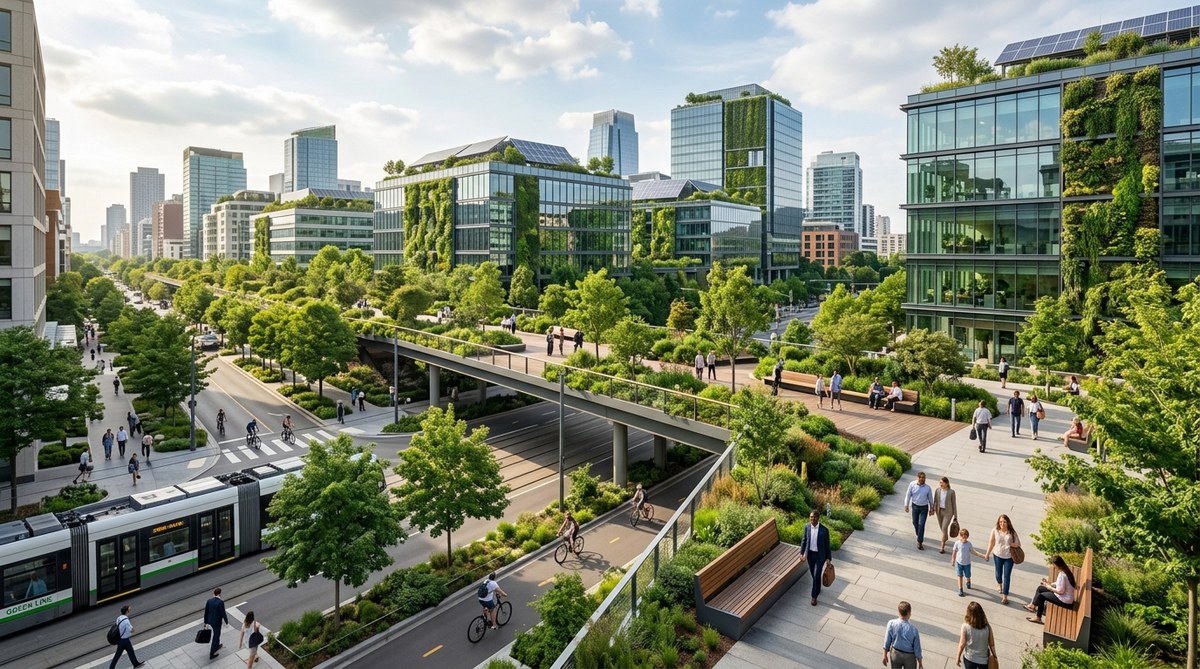
Urban spaces are the heart of any city. They shape how we live, work, and connect with nature. As urban areas grow denser and more complex, integrating green design principles becomes essential. These principles do more than beautify; they improve air quality, manage water, reduce energy use, and foster community resilience. Implementing these strategies transforms cities into healthier, more sustainable environments, ready to face the challenges of tomorrow.
Green design principles for urban spaces focus on eco-friendly, resilient, and innovative solutions that enhance city living. They promote sustainable growth by integrating nature, reducing pollution, and building adaptive infrastructure, creating vibrant urban environments for future generations.
Understanding the core of green design principles in urban spaces
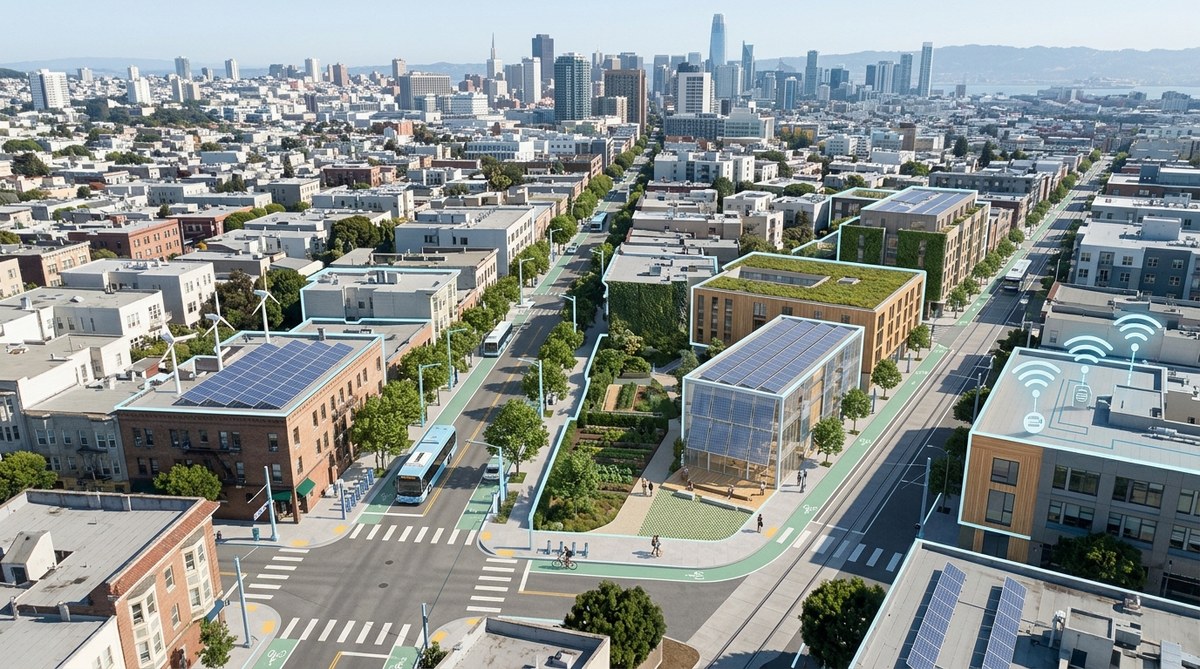
Implementing green design principles involves a holistic approach. It requires urban planners, architects, and city officials to rethink how cities are built and operated. These principles emphasize harmony with nature, resource efficiency, and community well-being. They guide the development of green roofs, permeable pavements, urban forests, and energy-efficient buildings. Together, these strategies create urban environments that are sustainable, resilient, and enjoyable for residents.
Practical steps to embed green design in city development
- Assess and plan: Begin with a thorough review of existing urban spaces. Identify areas that could benefit from greening or adaptive infrastructure. Use data to inform decisions and set clear sustainability goals.
- Design with nature: Incorporate natural elements into urban planning. Use native plants, green roofs, and water management systems that mimic natural processes.
- Engage the community: Involve residents and stakeholders in planning. Foster awareness and participation through workshops and public consultations. Their input ensures solutions meet local needs.
Key green design strategies for urban spaces
- Green roofs and walls
- Permeable pavements
- Urban forests and parks
- Water-sensitive urban design
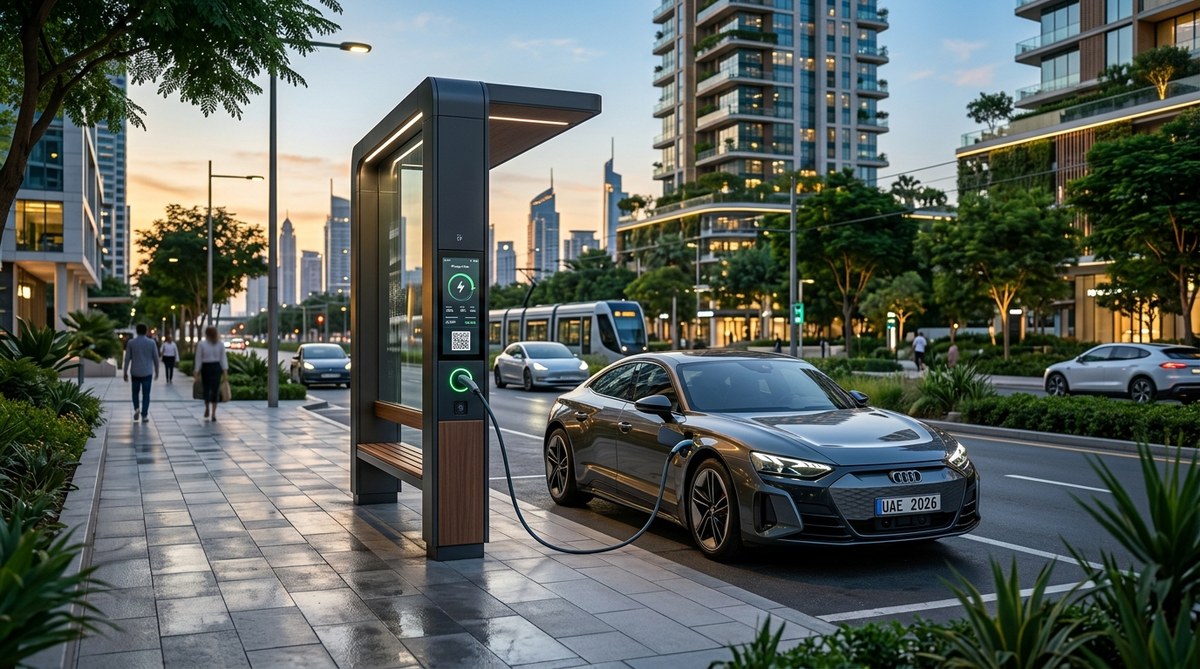
- Sustainable transportation options
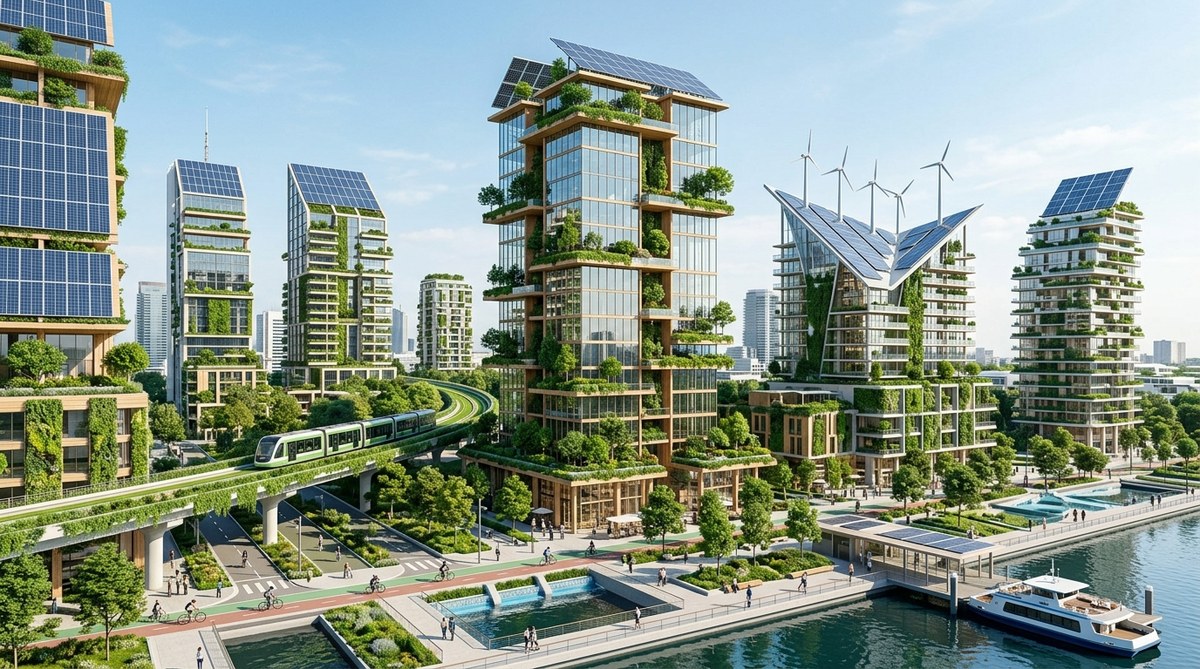
- Renewable energy integration
Techniques and common pitfalls
| Technique | Benefits | Common Mistake |
|---|---|---|
| Green roofs | Reduce heat, manage stormwater | Overloading roofs without structural assessment |
| Permeable pavements | Minimize runoff, recharge groundwater | Using unsuitable materials for high traffic areas |
| Urban tree canopies | Improve air quality, shade | Planting inappropriate species for the climate |
| Rain gardens | Filter pollutants, reduce flooding | Poor site selection or maintenance |
“Designing cities with nature in mind is no longer optional. It’s the foundation of resilient urban environments.” — Dr. Lisa Green, Urban Ecologist
Embracing nature-based solutions for urban resilience
Nature-based solutions are at the core of green design. They include creating urban forests, restoring wetlands, and installing bioswales. These features help cities adapt to climate change by managing stormwater, reducing urban heat islands, and increasing biodiversity. They also enhance quality of life by providing natural spaces for recreation and community gathering.
Practical processes to implement green design
- Conduct a green infrastructure audit to identify existing natural assets.
- Develop a comprehensive plan that integrates green features into urban development projects.
- Establish maintenance protocols to ensure long-term functionality and health of green elements.
Common mistakes to avoid
| Technique | Mistake to Avoid | Why it Matters |
|---|---|---|
| Urban forests | Ignoring species diversity | Ensures resilience and ecological balance |
| Water-sensitive design | Poor design of drainage systems | Prevents flooding and water pollution |
| Green corridors | Fragmenting habitats | Maintains ecological connectivity |
The role of innovative engineering and community involvement
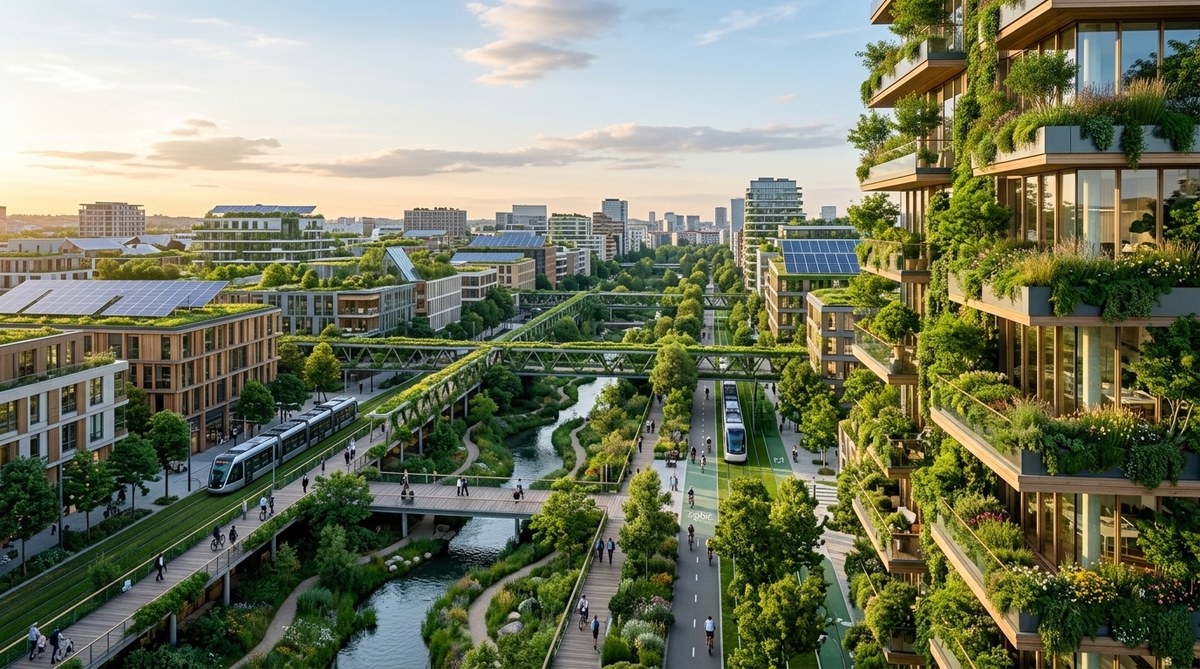
Advances in smart infrastructure and sustainable technology open new possibilities for green urban design. Solar-powered streetlights, smart irrigation, and green corridors connected by pathways encourage active lifestyles and reduce carbon footprints. Engaging communities in the planning and upkeep of green spaces fosters pride and stewardship, making sustainability a shared goal.
Practical tips for successful implementation
- Collaborate with ecological experts during planning.
- Prioritize native and drought-resistant plants.
- Use permeable materials for pavements and walkways.
- Integrate renewable energy sources into infrastructure.
- Educate residents on the benefits of green spaces and sustainability.
Techniques and mistakes in green urban design
| Technique | Mistake | Impact |
|---|---|---|
| Using native plants | Overlooking maintenance needs | Leads to healthier, sustainable green spaces |
| Incorporating renewable energy | Inadequate integration | Results in inefficient systems |
| Creating green corridors | Not considering connectivity | Limits ecological benefits |
Making green design principles accessible and actionable
Implementing green principles requires clear guidance. Here are some ideas to get started:
- Start small with pocket parks or green rooftops.
- Use local materials to reduce environmental impact.
- Incorporate community gardens into urban plans.
- Use technology to monitor and manage green assets efficiently.
- Prioritize projects that offer multiple benefits like cooling, stormwater management, and recreation.
Final thoughts: building cities that thrive with green design
Putting green design principles into practice transforms urban spaces into vibrant, healthy places. It’s about blending nature with infrastructure, creating environments that withstand climate challenges and enhance daily life. By adopting these strategies, city officials and planners can foster resilient, sustainable communities for generations to come. Remember, every green space added is a step toward more livable, future-ready urban environments.
Cultivating sustainable urban environments for tomorrow
Applying green design principles is a continuous journey. It’s about making informed choices, embracing innovation, and involving communities. Small changes today create lasting impacts. Whether you are planning a new development or revitalizing existing spaces, integrating these principles brings tangible benefits. Start with what’s feasible, stay committed, and watch your city flourish with vitality and resilience.

Leave a Reply