
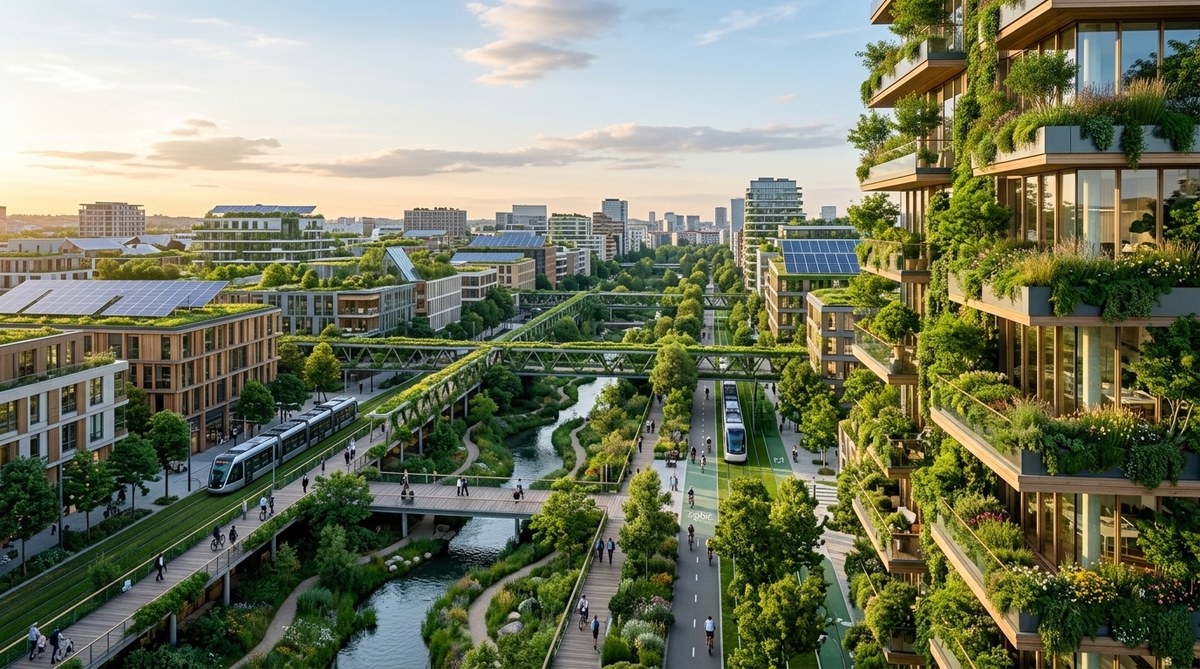
Urban areas face mounting challenges from climate change, urban heat islands, flooding, and resource depletion. Green design strategies offer innovative ways to make cities more resilient, livable, and environmentally friendly. By integrating natural systems into urban planning, cities can better adapt to environmental stresses while creating healthier spaces for residents. This article dives into practical green infrastructure approaches that urban planners, architects, and city officials can adopt to transform urban landscapes into resilient, thriving communities.
Green design strategies for resilient urban environments blend nature with infrastructure to mitigate climate impacts, enhance biodiversity, and improve quality of life. Implementing these solutions requires thoughtful planning, community involvement, and innovative techniques. They make cities adaptable, sustainable, and more enjoyable for residents, ensuring urban resilience in the face of ongoing environmental challenges.
Understanding Green Design Strategies for Resilient Urban Environments
Green design strategies focus on incorporating natural elements and systems into city infrastructure. These approaches aim to improve environmental performance, manage stormwater, reduce heat, and promote biodiversity. They shift urban development from a purely built environment to a hybrid of natural and engineered solutions that work together.
Why Resilience Matters for Cities
Cities are increasingly vulnerable to extreme weather, rising temperatures, and flooding. Traditional gray infrastructure often struggles to cope with these challenges. Green infrastructure offers adaptive, cost-effective alternatives that not only address environmental issues but also enhance urban aesthetics and social well-being. Building resilience means preparing cities to withstand and recover from environmental shocks while maintaining functionality and vibrancy.
Core Principles of Green Design in Urban Settings
- Integration of natural systems into urban planning
- Utilization of native and adaptive vegetation
- Management of stormwater through green infrastructure
- Enhancement of urban biodiversity
- Community engagement in green initiatives
- Design for maintenance and longevity
Practical Green Infrastructure Techniques for Resilient Cities
Implementing green strategies involves a mix of techniques tailored to local conditions, climate, and urban form. Here are some of the most impactful approaches:
1. Green roofs and rooftop gardens
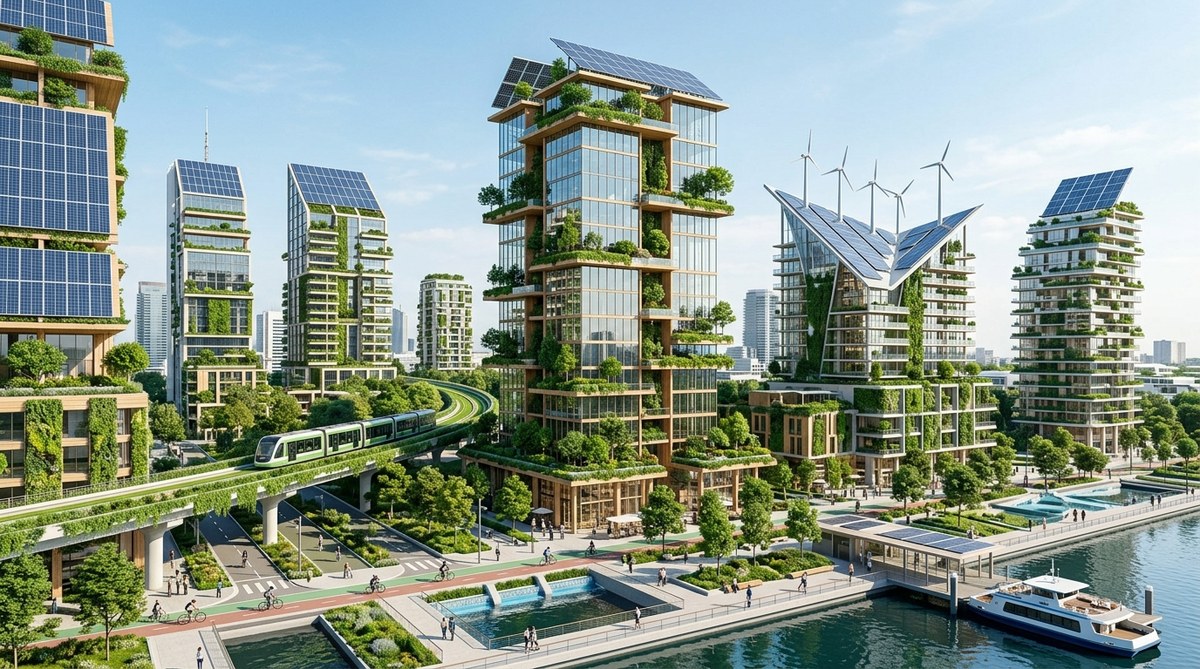
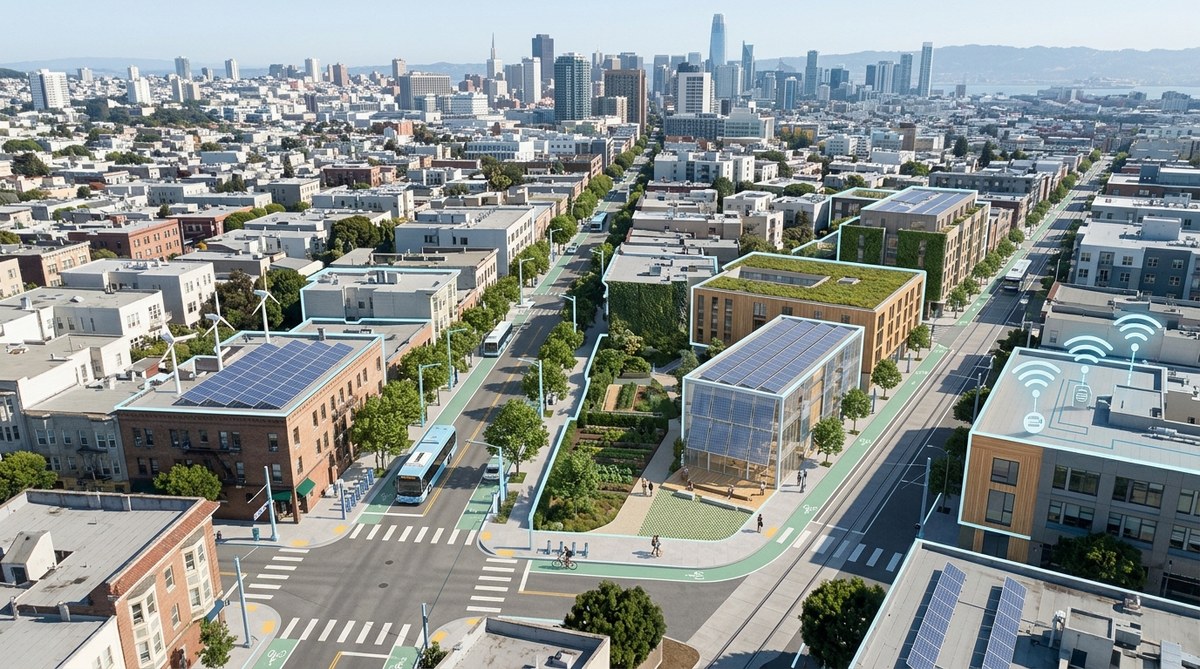
Green roofs reduce urban heat, provide insulation, and absorb stormwater. They can be installed on commercial and residential buildings, transforming unused space into lush, cooling environments. For example, rooftop gardens in cities like New York and Singapore demonstrate how green roofs help combat heat and promote biodiversity.
2. Urban tree canopies and street trees
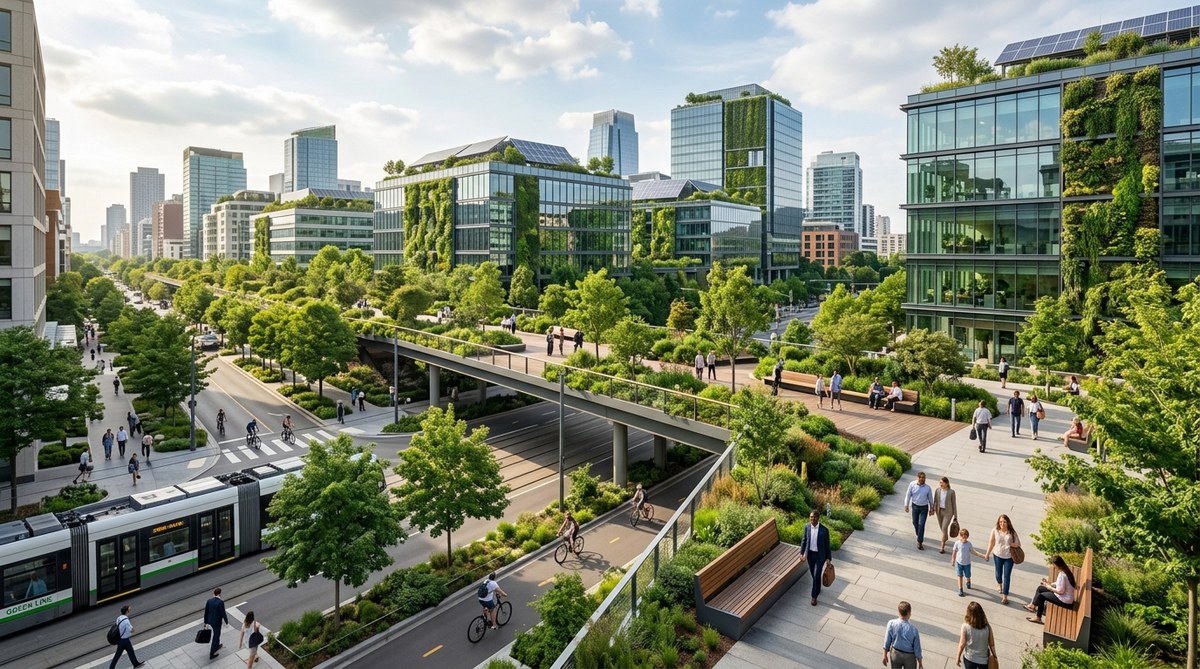
Trees are natural air conditioners and stormwater managers. Expanding tree canopy cover provides shade, lowers temperatures, and filters pollutants. Strategic planting along streets and in parks can significantly improve city resilience. Proper species selection and planting techniques are essential to ensure healthy growth and avoid root damage to infrastructure.
3. Permeable pavements and green alleys
Replacing traditional asphalt with permeable materials lets rainwater infiltrate the ground, reducing runoff and flooding risks. Green alleys incorporate vegetation and permeable surfaces to handle stormwater effectively. These solutions are particularly valuable in dense urban cores facing space constraints.
4. Rain gardens and bioswales
These landscaped features capture and filter stormwater runoff from streets and rooftops. They enhance groundwater recharge, reduce pollution, and beautify neighborhoods. Proper design ensures they handle peak flow volumes without clogging or overflow.
5. Urban wetlands and natural waterways
Restoring or creating wetlands within cities can act as natural flood buffers and habitat corridors. They also improve water quality and support wildlife. Integrating waterways into urban fabric creates both ecological and recreational value.
6. Green corridors and pocket parks
Connecting green spaces allows for wildlife movement and provides residents with accessible natural environments. Small parks, green strips, and corridors foster community resilience by promoting social cohesion and mental well-being.
Common Challenges and How to Overcome Them
| Technique | Mistakes to Avoid | Solutions |
|---|---|---|
| Green roofs | Poor drainage, heavy loads | Use lightweight substrates and ensure proper structural assessment |
| Street trees | Incompatible species, improper planting | Select native, drought-tolerant trees suited for urban soils |
| Permeable pavements | Clogging, inadequate infiltration | Regular maintenance and correct surface design |
| Rain gardens | Poor siting, inadequate soil | Conduct thorough site analysis and use appropriate soil mixes |
| Wetlands | Disruption of existing ecosystems | Plan with ecological expertise and community input |
Expert Insight
“Integrating green infrastructure into urban design isn’t just about adding plants. It requires a comprehensive approach that considers local climate, community needs, and maintenance capacity. When executed thoughtfully, green strategies can turn vulnerable cities into resilient, vibrant places.” — Dr. Jane Smith, urban ecologist
Steps for Successfully Implementing Green Design in Cities
- Assess local climate and environmental conditions to determine suitable green solutions.
- Engage stakeholders and communities early in the planning process to ensure buy-in and maintenance support.
- Prioritize projects based on risk and impact, such as flood-prone areas or heat hotspots.
- Design with flexibility and future growth in mind, selecting adaptable techniques.
- Develop maintenance plans and secure funding to ensure long-term success and performance.
- Monitor and evaluate project outcomes to refine strategies and share lessons learned.
Practical Process for Green Infrastructure Adoption
- Conduct comprehensive site analysis to understand environmental stressors.
- Identify natural features and opportunities for green improvements.
- Collaborate with ecologists, engineers, and community groups.
- Pilot small-scale projects to test effectiveness.
- Scale successful initiatives citywide with supportive policies and funding.
Mistakes to Avoid When Deploying Green Strategies
| Mistake | Consequence | How to Avoid |
|---|---|---|
| Overlooking maintenance requirements | Short-lived benefits | Plan for ongoing upkeep from the start |
| Ignoring local climate | Unsuitable plant choices | Choose native, climate-adapted species |
| Underestimating space needs | Overcrowded or ineffective green areas | Design with realistic spatial considerations |
| Failing to involve community | Lack of support or misuse | Engage residents early and incorporate feedback |
Building a Green Future Together
Cities that embrace green design strategies can better withstand environmental stresses. These approaches not only improve resilience but also create more attractive, healthier living spaces. Collaboration among urban planners, architects, policymakers, and residents is key to unlocking the full potential of green infrastructure.
Applying these strategies requires careful planning, community involvement, and a willingness to innovate. Small steps like planting street trees or installing rain gardens can lead to significant improvements. As cities evolve, so too must our methods for making them resilient and sustainable.
Cultivating Urban Resilience Through Green Innovation
In the end, green design strategies for resilient urban environments are about harmonizing built and natural systems. They offer practical solutions to pressing environmental challenges while enriching city life. By integrating nature into urban planning, we can craft cities that are not only prepared for storms and heat waves but are also vibrant hubs of biodiversity and community.
Start with local assessments, involve residents, and select adaptable, proven techniques. Building resilience is a continuous process, but every green effort adds up. Together, we can shape urban landscapes that thrive amid change and inspire future generations.

Leave a Reply