
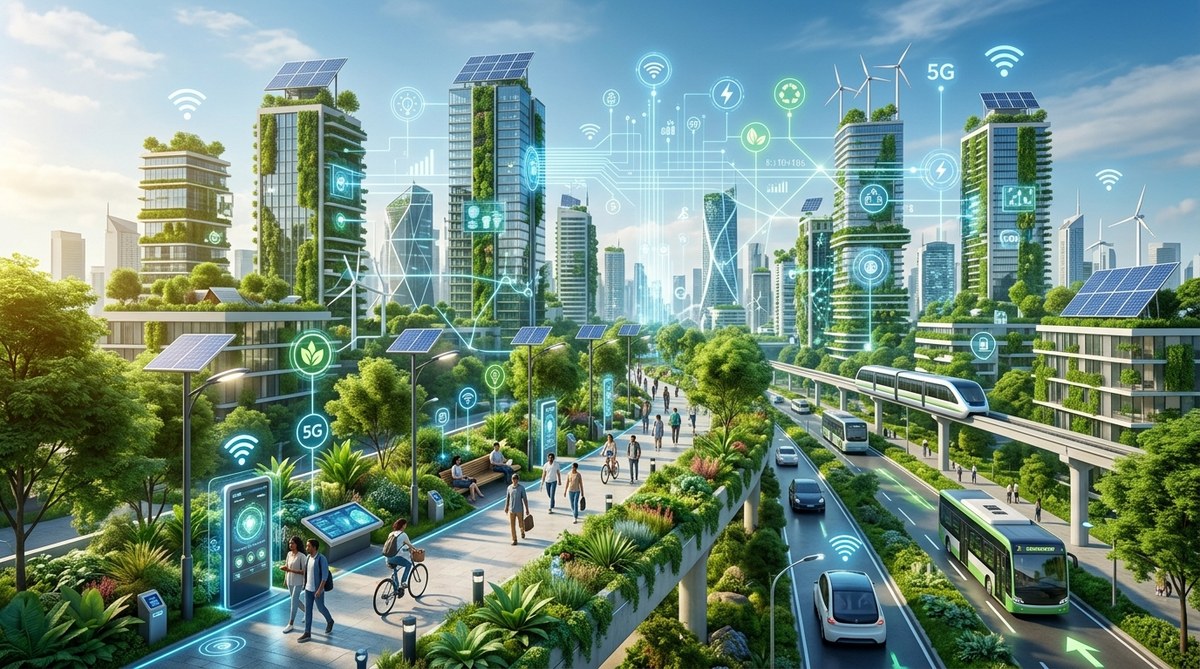
Cities face increasing pressure to become greener and more sustainable. As urban populations grow, the urgency to implement eco-friendly transformation technology becomes clear. This technology helps cities reduce emissions, enhance green spaces, improve resource efficiency, and create healthier living environments. By embracing these innovations, urban planners and city officials can turn concrete jungles into vibrant, eco-friendly havens that serve both people and the planet.
Urban eco-friendly transformation technology is reshaping how cities grow and operate. Through smart infrastructure, green innovations, and data-driven solutions, cities can reduce environmental impact, improve quality of life, and become resilient for the future. Implementing these technologies involves strategic planning, community engagement, and embracing cutting-edge tools that foster sustainable urban environments.
How technology is transforming urban sustainability
Urban areas are complex ecosystems. Integrating eco-friendly solutions requires a mix of innovative technologies and forward-thinking planning. The goal is to create smart, green cities that efficiently use resources while providing residents with healthy, vibrant environments. Today, a variety of tools and techniques are making this possible.
Smart infrastructure as the backbone of green cities
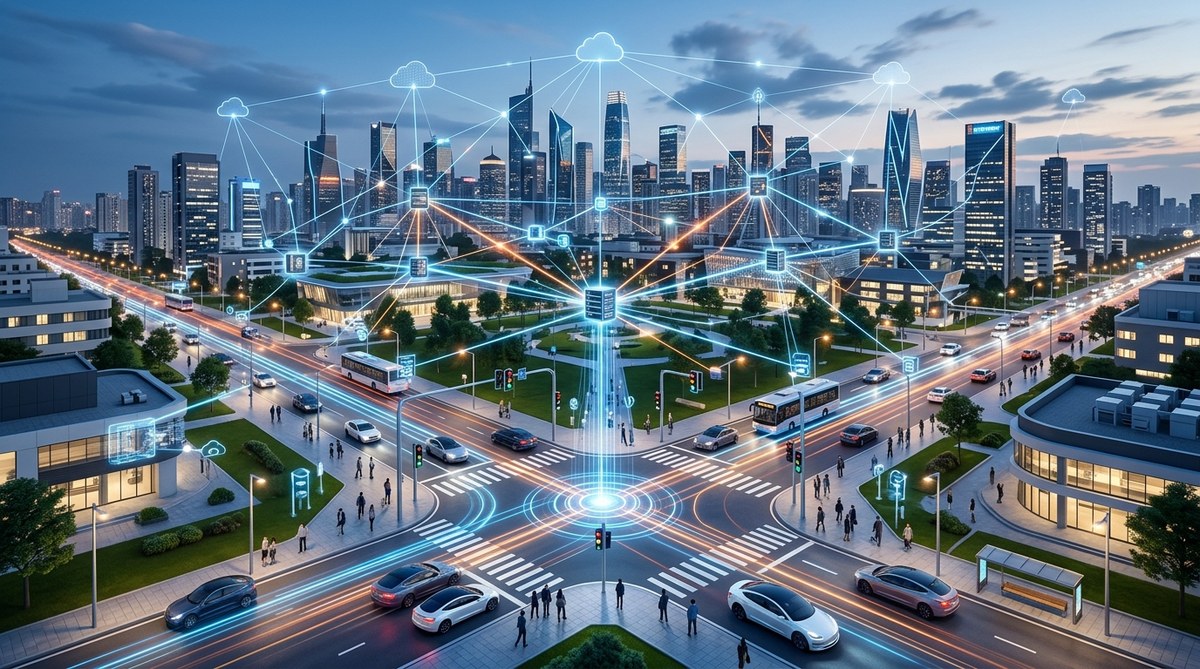
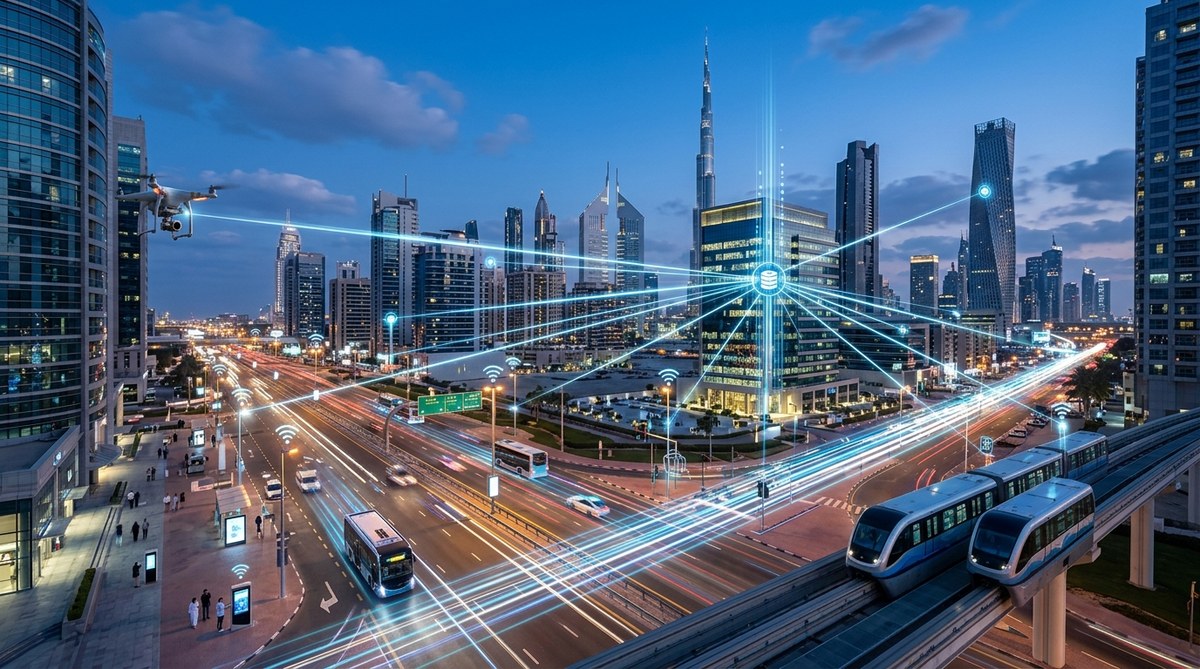
Smart infrastructure forms the foundation of urban eco-friendly transformation technology. These systems utilize sensors, data analytics, and automation to optimize energy use, water management, transportation, and waste handling. For example, smart grids enable energy to be distributed efficiently, reducing waste and carbon emissions. Cities like Singapore and Barcelona have successfully implemented smart lighting and water management systems, illustrating how data-driven infrastructure improves urban sustainability.
Green building innovations
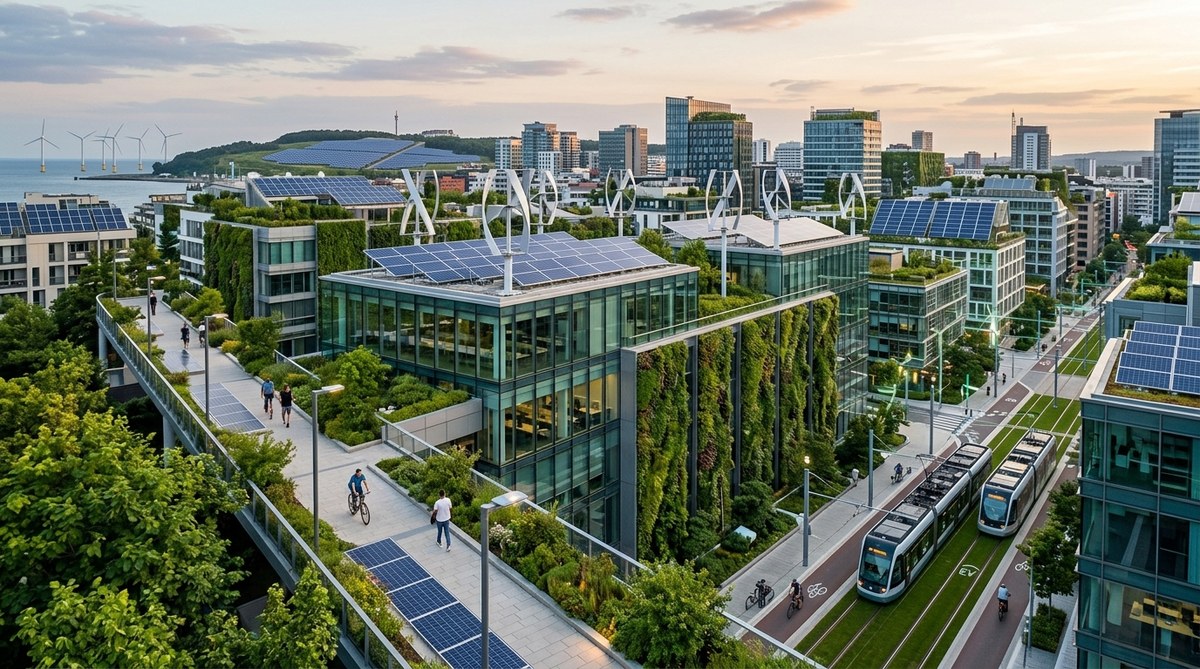
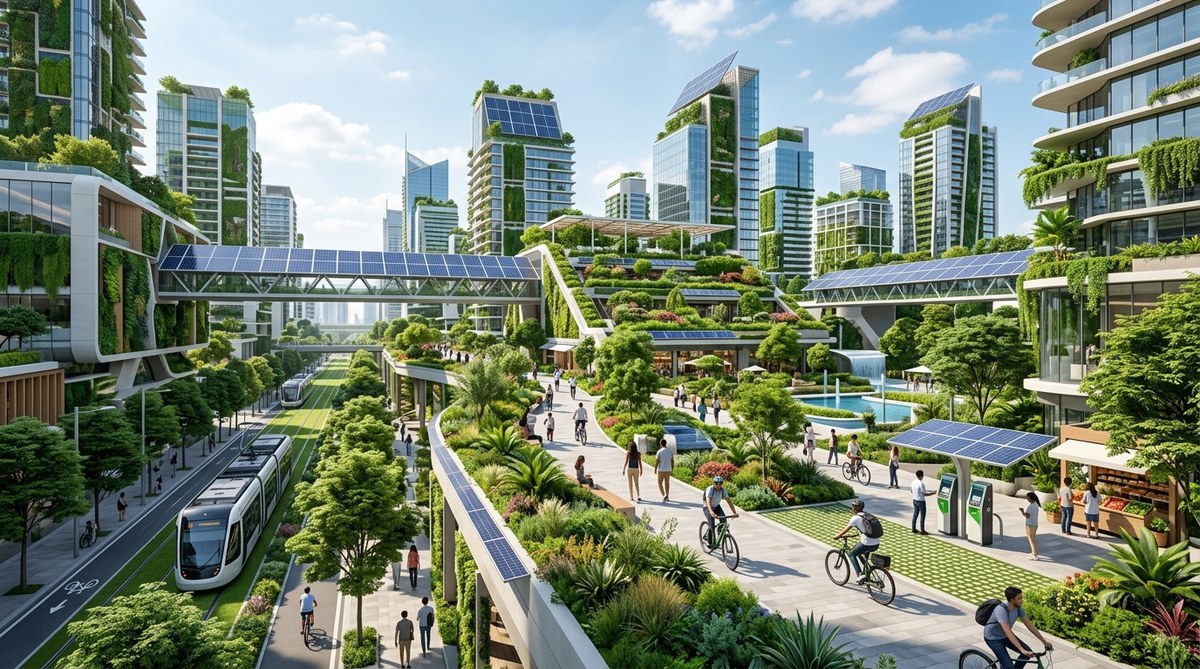
Building design and construction play a significant role in urban eco-friendly transformation. Green building technologies include solar panels, green roofs, and energy-efficient materials. These innovations cut energy consumption and lower emissions. Green roofs, for instance, absorb rainwater, reduce heat islands, and provide urban green spaces. Cities that adopt sustainable building practices see tangible benefits in reduced operational costs and enhanced urban resilience.
Renewable energy integration
Renewable energy sources such as solar, wind, and geothermal are increasingly integrated into urban settings. Solar panels on rooftops and solar-powered streetlights turn cities into generators of clean energy. Smart energy storage and grid management ensure that renewable power supplies are stable and reliable. This shift reduces dependency on fossil fuels and cuts urban carbon footprints.
Sustainable transportation systems
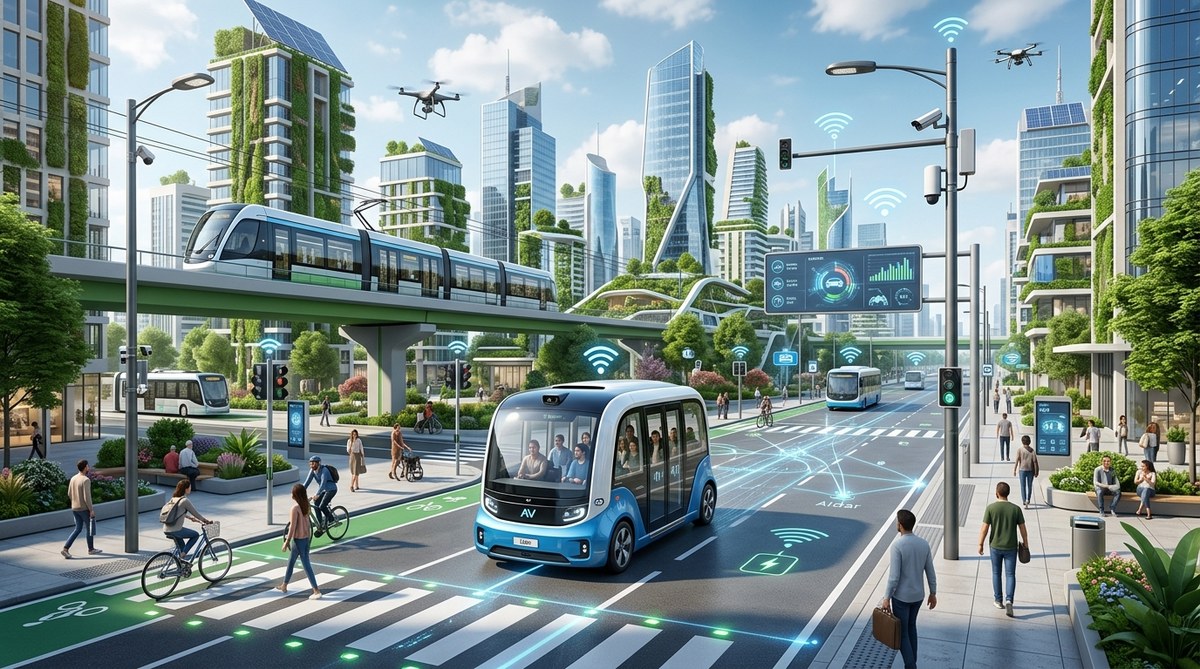
Mobility is a key area where technology drives eco-friendly change. Electric vehicles (EVs), bike-sharing programs, and smart traffic management reduce congestion and emissions. Cities like Oslo and Shenzhen have made significant progress in EV adoption, demonstrating how technology can support cleaner urban mobility. Integrating these systems with real-time data helps optimize routes and improve public transit efficiency.
Water and waste management innovations
Advanced water recycling and waste management technologies help cities conserve resources. Smart water meters monitor usage and detect leaks early, while waste-to-energy plants convert trash into power. These systems minimize environmental impact and promote circular resource use.
Practical steps for implementing urban eco-friendly transformation technology
Transforming a city into a greener space involves a systematic approach. Here are three steps to guide this process:
-
Assess current infrastructure and identify opportunities: Conduct a comprehensive review of existing systems to pinpoint areas for technological upgrades. Use data analytics to understand resource consumption patterns and environmental challenges.
-
Engage stakeholders and build partnerships: Collaborate with community groups, government agencies, and technology providers. Public engagement ensures that solutions meet local needs and gain community support.
-
Implement pilot projects and scale successful solutions: Start small with pilot programs to test new technologies. Collect feedback and measure outcomes before expanding. This iterative approach minimizes risks and maximizes impact.
Key technologies and their common pitfalls
| Technique | Benefits | Common mistakes |
|---|---|---|
| Smart grids | Reduce energy waste, improve reliability | Overlooking cybersecurity risks |
| Green roofs | Enhance insulation, regulate temperature | Poor maintenance, lack of structural support |
| Solar integration | Renewable energy generation | Insufficient planning for shading and storage |
| Electric mobility | Lower emissions, reduce congestion | Lack of charging infrastructure |
| Water recycling | Conserve water, reduce runoff | Ignoring local water quality standards |
Expert advice on urban eco-friendly transformation
“The most successful green cities are those that integrate technology seamlessly into daily life. It’s not just about installing gadgets but creating systems that adapt, learn, and serve the community efficiently,” emphasizes urban sustainability specialist Dr. Lisa Carter.
Innovations driving the future of green urban spaces
Emerging trends are pushing the boundaries of what cities can achieve with eco-friendly technology. For example, artificial intelligence enhances traffic flow and energy management, making cities smarter and more sustainable. Modular green infrastructure allows rapid deployment of green spaces in dense urban areas. The integration of data analytics provides ongoing insights that help city officials fine-tune operations for maximum efficiency.
Case studies of successful eco-friendly urban transformations
- Songdo, South Korea: A smart city built from the ground up with integrated green infrastructure, renewable energy, and intelligent transportation.
- Freiburg, Germany: Known for its solar-powered neighborhoods, extensive green roofs, and community-led sustainability initiatives.
- Masdar City, UAE: A zero-carbon, zero-waste city designed to showcase renewable energy and sustainable urban planning.
Challenges and how to overcome them
Despite promising advancements, implementing eco-friendly technology faces hurdles such as high upfront costs, regulatory barriers, and community resistance. Overcoming these involves securing public and private funding, streamlining policies, and educating residents about the benefits of sustainable solutions.
The role of community engagement
Community participation is crucial. When residents understand the benefits and are involved in planning, solutions gain greater acceptance. Initiatives like citizen science projects and green space co-design foster a sense of ownership and responsibility.
How to foster a sustainable urban future
To build truly eco-friendly cities, it’s vital to think long term. Invest in adaptable technologies that can evolve with changing needs. Prioritize resilience by designing systems that withstand climate shocks. Encourage innovation and stay open to emerging solutions that can further reduce environmental impact.
Looking ahead, the combination of data-driven decision-making, community involvement, and advanced technology will continue to shape cities into healthier, greener places to live.
Final thoughts on embracing urban eco-friendly transformation technology
Making cities more sustainable is a journey, not a one-time project. Each technological advancement adds to the mosaic of a greener urban landscape. By staying informed about new innovations and actively participating in planning, urban stakeholders can foster environments that thrive environmentally and socially.
The future of urban living depends on how well we harness the power of technology to create resilient, eco-friendly spaces. Small steps today can lead to major transformations tomorrow. Keep exploring new solutions, collaborate widely, and advocate for sustainable urban development.
Remember, transforming cities into eco-friendly havens is a shared effort. Embrace technological innovations, engage your community, and champion sustainable practices. Together, we can shape urban spaces that are healthier, smarter, and more sustainable for generations to come.

Leave a Reply