
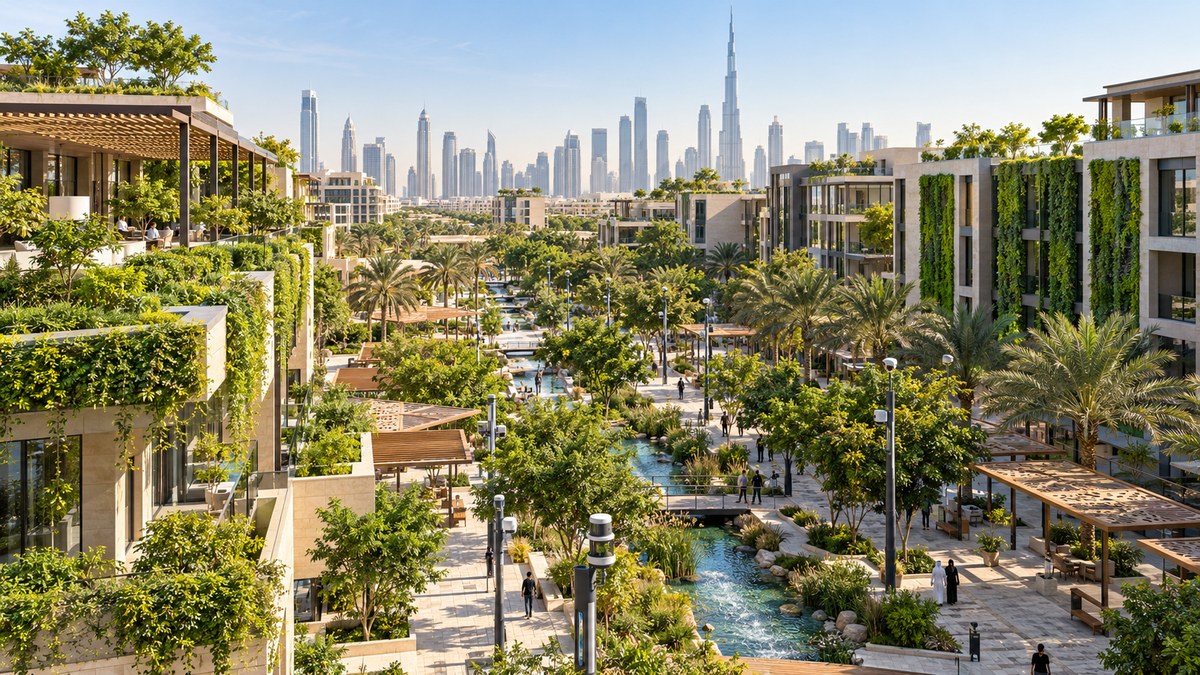
Summer in Phoenix. You step out of an air-conditioned car, and the heat hits you like a wall. The asphalt shimmers. The concrete radiates. Your lungs feel heavy. This is the urban heat island effect in action, and it is not just uncomfortable. It is dangerous. In 2026, cities from Los Angeles to Atlanta are facing record-breaking temperatures, and the old solutions of more air conditioning and lighter pavement are not enough. Smart city planners are turning to a different playbook. They are bringing nature back into the concrete jungle. This approach is called biophilic design, and it is one of the most effective tools we have to cool our cities.
Biophilic design is not just about planting trees. It is a strategic, data-driven approach to cooling urban heat islands. By integrating green roofs, vertical gardens, water features, and permeable surfaces, cities can lower surface temperatures by up to 15 degrees Fahrenheit. This article covers the science, the strategies, and the real-world projects that are making a difference right now.
Why Concrete Cities Cook Themselves
Urban heat islands form when natural landscapes are replaced by dark, impervious surfaces. Asphalt, concrete, and dark roofing materials absorb solar radiation during the day and release it slowly at night. A typical city center can be 5 to 10 degrees hotter than surrounding rural areas. In a dense downtown district, that difference can climb even higher.
Traditional cooling methods focus on reflecting heat. Cool roofs and reflective pavements help, but they do not address the root problem. They do not add living systems. Biophilic design does. It reintroduces vegetation, water cycles, and natural materials into the built environment. This changes how heat moves through a city.
The Science Behind Biophilic Cooling
Plants cool the air through evapotranspiration. As water evaporates from leaf surfaces, it pulls heat from the surrounding air. A single mature tree can transpire hundreds of gallons of water on a hot day. That is like running several air conditioners at once, but without the electricity bill.
Shade from tree canopies blocks direct solar radiation. A well-placed tree can reduce the temperature of a paved surface by 20 degrees. Green roofs and walls add another layer of insulation. They prevent solar radiation from reaching the building envelope, keeping interiors cooler and reducing the need for mechanical cooling.
Water features like fountains, ponds, and misting stations add evaporative cooling. They create microclimates that feel noticeably cooler. When combined with vegetation, these features can lower the ambient temperature of an entire plaza or park.
A Practical Framework for Urban Planners
If you are an urban planner or architect looking to reduce urban heat islands through biophilic design, here is a practical process to follow. This framework is based on successful projects in 2026.
-
Conduct a thermal mapping analysis. Use satellite data, drone surveys, and ground sensors to identify the hottest spots in your district. Look for large areas of dark pavement, south-facing walls, and spaces with no vegetation. This gives you a baseline.
-
Prioritize high-impact zones. Not every street needs the same treatment. Focus on areas with high pedestrian traffic, near schools, hospitals, and public transit stops. These are the places where heat reduction has the greatest social benefit.
-
Select the right biophilic interventions. Choose strategies that match your climate and site conditions. In arid regions, focus on shade trees and water-efficient irrigation. In humid climates, prioritize green roofs and rain gardens. Always use native or adaptive plant species.
-
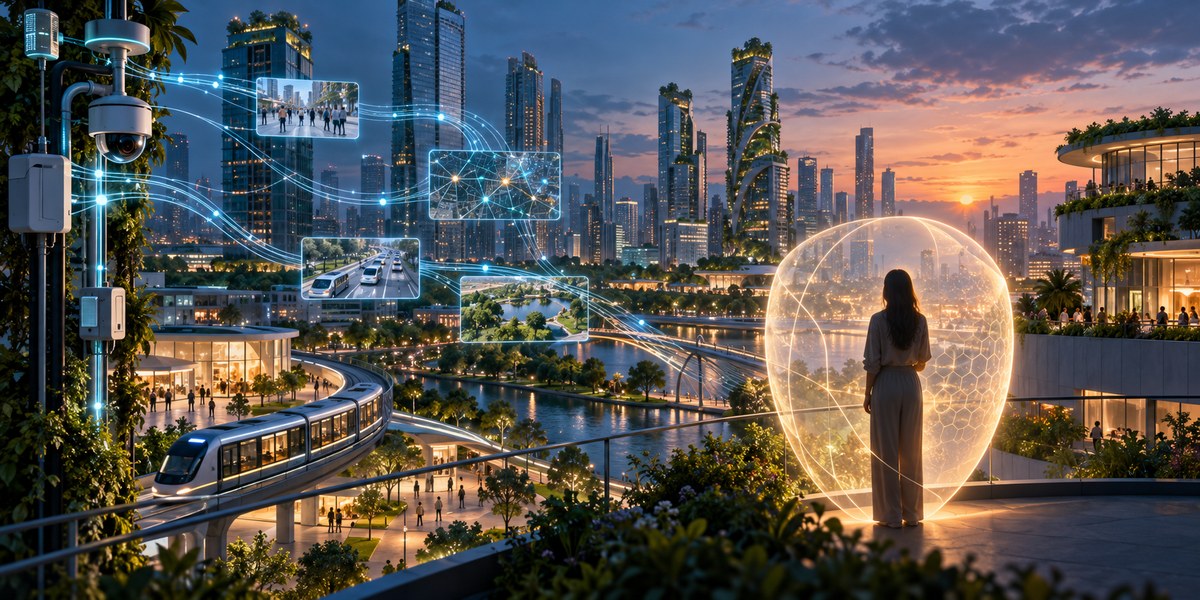
Integrate with smart infrastructure. Connect your green spaces with IoT sensors that monitor soil moisture, temperature, and air quality. Use this data to adjust irrigation schedules and track cooling performance over time. This is where biophilic design meets smart city technology.
-
Engage the community. Involve local residents in the design and maintenance of green spaces. Community gardens, street tree planting events, and educational programs build ownership and ensure long-term care.
Techniques and Common Mistakes
Not all biophilic interventions are created equal. Some techniques deliver significant cooling, while others fall short if not implemented correctly. The table below breaks down the most effective strategies and the mistakes to avoid.
| Technique | Cooling Benefit | Common Mistake |
|---|---|---|
| Street trees with large canopies | High. Can reduce pavement temp by 15-20°F. | Planting trees too far apart or in small pits that restrict root growth. |
| Green roofs (extensive) | Moderate. Cools roof surface by 30-40°F. | Using thin soil layers that dry out quickly and kill plants. |
| Green walls (vertical gardens) | High on building surface. Low ambient effect. | Installing on walls with poor sun exposure or without an irrigation system. |
| Permeable pavements | Low direct cooling. Reduces stormwater runoff. | Using materials that clog with sediment and lose permeability. |
| Water features (fountains, misters) | High in immediate area. Creates microclimate. | Placing them in full sun without shade, leading to high water loss. |
| Urban parks and pocket parks | Very high. Creates cool islands. | Designing parks with too much hardscape and not enough tree cover. |
“The most effective biophilic projects treat the city as a living system. You cannot just add a few planters and call it done. You need to think about water, soil, sunlight, and how people move through the space.” – Dr. Lena Rivera, urban ecologist and biophilic design consultant.
Strategies That Work in 2026
Smart city planners are using a combination of strategies to get the best results. Here are the most effective approaches being deployed right now.
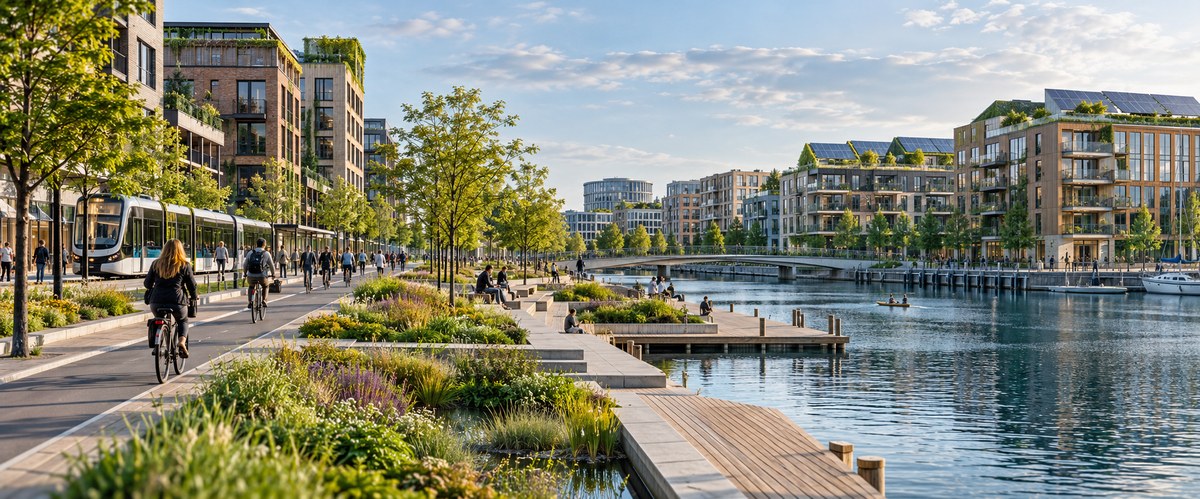
- Green corridors that connect parks and natural areas. These linear parks provide shade and cooling along pedestrian and bike routes. They also support wildlife movement.
- Green roofs on public buildings. Schools, libraries, and municipal offices are prime candidates. They reduce building energy use and create educational opportunities.
- Rain gardens and bioswales in parking lots. These planted depressions capture stormwater and cool the surrounding pavement.
- Reflective materials paired with vegetation. Cool pavements reduce heat absorption, while trees provide shade. Together, they create a powerful cooling effect.
- Smart irrigation systems that use weather data. These systems reduce water waste and keep plants healthy during heat waves.
Real-World Projects Leading the Way
Several cities are already seeing results from biophilic design. In 2026, these projects stand out as examples for planners everywhere.
Portland, Oregon expanded its green roof program to cover 20 percent of downtown rooftops. The city provides grants for building owners who install vegetated roofs. Early data shows a 3 degree drop in average summer temperatures in the green roof districts.
Singapore continues to be a global leader. The city-state requires all new buildings to include green space equal to the site area. This has created a network of sky gardens, green walls, and park connectors that cool the city and improve air quality.
In the United States, Detroit is using biophilic design to revitalize vacant lots. The city has converted hundreds of empty parcels into community gardens and pocket parks. These green spaces reduce heat, manage stormwater, and bring neighbors together.
How to Measure Success
Cooling is the primary goal, but biophilic design offers additional benefits. When evaluating a project, look at these metrics.
- Surface temperature reduction (measured with thermal cameras).
- Ambient air temperature change (measured with weather stations).
- Energy savings from reduced air conditioning use.
- Stormwater retention (gallons of water kept out of the sewer system).
- Resident satisfaction and health outcomes.
A Note on Budget and Maintenance
Biophilic design does not have to be expensive. Street trees are one of the most cost-effective cooling strategies. A single tree costs a few hundred dollars to plant and can provide decades of cooling. Green roofs and walls have higher upfront costs but pay back through energy savings and extended roof life.
Maintenance is critical. A neglected green roof or a dying tree does not cool anything. Budget for irrigation, pruning, and plant replacement from the start. Community involvement can reduce maintenance costs. Volunteer groups can help with watering and weeding in public spaces.
The Path Forward for Urban Planners
The urban heat island problem is not going away. Climate projections for 2026 and beyond show more frequent and intense heat waves. Biophilic design is not a luxury. It is a public health necessity.
Start small. Pick one block or one public building. Plant trees. Install a green roof. Add a rain garden. Measure the temperature before and after. Share your results with other planners. Build momentum.
For a deeper look at how technology supports these efforts, read about innovative strategies for building smarter urban infrastructure. If you want to see how data analytics can help you choose the best locations for green interventions, check out harnessing data analytics for smarter urban infrastructure design.
Your City Can Be Cooler
Biophilic design offers a clear path to cooler, healthier, and more livable cities. The science is solid. The strategies are proven. The time to act is now. Whether you are planning a new development or retrofitting an existing neighborhood, every green space you add is a step toward reducing urban heat islands. Start with one project. Measure the results. Let the data guide your next move. The cities we build today will shape the lives of millions for decades to come. Make them cool. Make them green. Make them work for everyone.

Leave a Reply