
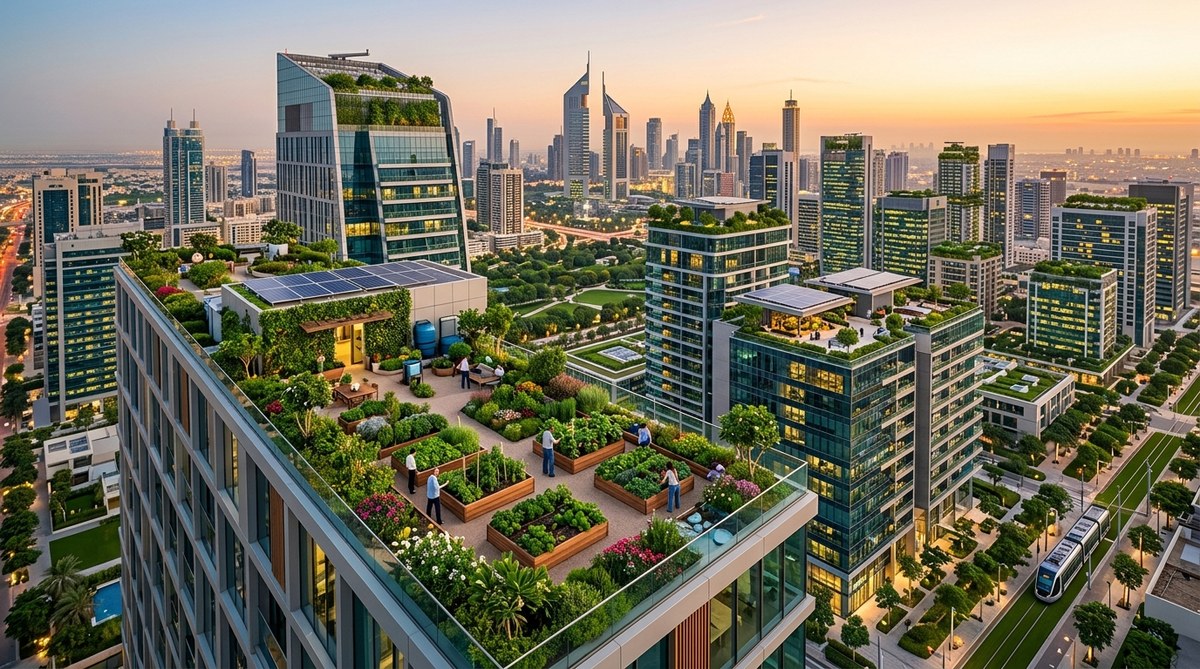
Urban centers face increasing challenges from climate change, urban heat islands, and shrinking green spaces. Green roofs and urban gardens stand out as innovative solutions that not only beautify cityscapes but also significantly contribute to urban sustainability. These features help manage stormwater, improve air quality, and support local ecosystems. As city officials and environmental advocates seek practical ways to foster greener, healthier cities, understanding the benefits and implementation strategies of green infrastructure becomes essential.
Green roofs and urban gardens are vital tools in creating sustainable cities. They reduce heat, improve air quality, support biodiversity, and manage stormwater. Implementing these features involves strategic planning, proper design, and maintenance, turning urban spaces into thriving ecosystems that benefit both residents and the environment.
The Role of Green Infrastructure in Urban Sustainability
Green roofs and urban gardens are more than aesthetic enhancements. They are practical, scalable solutions that address multiple urban challenges. By integrating plant systems into cityscapes, urban areas can combat heat islands, reduce energy consumption, and foster biodiversity. These initiatives also promote social well-being by providing residents with communal green spaces that encourage outdoor activity and community engagement.
Why Green Roofs and Urban Gardens Matter
Cities are heat islands by nature. Concrete, asphalt, and minimal vegetation absorb and radiate heat, making urban environments significantly warmer than surrounding rural areas. Green roofs and gardens help mitigate this effect by cooling the air and providing insulation. They also absorb rainwater, reducing the risk of flooding and easing pressure on city drainage systems. Additionally, these green spaces attract pollinators and support local wildlife, contributing to urban biodiversity.
How to Implement Green Roofs and Urban Gardens: Practical Steps
Creating lush, sustainable rooftops and gardens involves a thoughtful process. Here are key steps to consider:
-
Assess the Site and Goals
Evaluate the building structure and climate. Decide whether the aim is to reduce heat, manage stormwater, or create recreational space. Understanding the site’s potential helps tailor the design effectively. -
Plan for Structural Support and Waterproofing
Ensure the roof can sustain the weight of soil, plants, and water. Proper waterproofing is essential to prevent leaks and damage. Consulting structural engineers and waterproofing specialists is recommended. -
Design with Plants and Usability in Mind
Choose native, drought-tolerant plants that thrive in your climate. Consider accessibility, safety, and maintenance needs. Design spaces that residents or workers will enjoy and utilize. -
Install Drainage and Irrigation Systems
Proper drainage prevents water retention that might damage the roof. Incorporate efficient irrigation solutions to keep plants healthy, especially during dry periods. -
Maintain and Monitor
Regular upkeep ensures the longevity of green roofs and gardens. Check for plant health, drainage effectiveness, and structural integrity periodically.
Practical Tips for Success
- Collaborate with experts in green infrastructure.
- Use lightweight soil mixes to reduce load.
- Incorporate rainwater harvesting for irrigation.
- Select plants suited to local weather to minimize care.
- Plan for seasonal changes and plant diversity.
Techniques and Common Pitfalls in Green Roof and Garden Projects
| Technique | Mistake to Avoid |
|---|---|
| Using native plants | Overlooking climate suitability |
| Installing proper drainage | Forgetting about waterproofing |
| Choosing lightweight soil | Using heavy, water-retentive soil types |
| Incorporating irrigation systems | Ignoring maintenance requirements |
| Designing multi-functional spaces | Prioritizing aesthetics over usability |
Expert Advice
“The success of green roofs and urban gardens hinges on careful planning and ongoing maintenance. When designed correctly, these features can turn underutilized rooftops into vibrant ecosystems that benefit both people and the planet,” advises urban sustainability expert Dr. Lisa Chen.
Benefits Beyond the Surface
Beyond environmental advantages, green roofs and gardens foster social and economic gains. They can lower cooling costs, extend roof lifespan, and increase property values. Moreover, vibrant green spaces improve mental health, encourage community interaction, and create opportunities for urban agriculture.
Case Studies Highlighting Success
Many cities worldwide have embraced green infrastructure with impressive results. For instance, in New York City, urban gardens transformed vacant lots into productive green spaces, reducing heat and fostering community resilience. Similarly, Singapore’s extensive green roofs contribute to its reputation as a garden city, showcasing how integration of greenery can redefine urban living.
Moving Towards Greener Cities
Implementing green roofs and urban gardens is a practical step toward sustainable development. Start by identifying suitable buildings and spaces, then collaborate with stakeholders to design and maintain these green features. Governments and organizations can support these initiatives through policies, incentives, and education.
For additional insights on how innovative strategies are shaping the future of urban infrastructure, check out To stay ahead of emerging trends and technologies, consider reviewing
Final Thoughts on Cultivating Urban Green Spaces
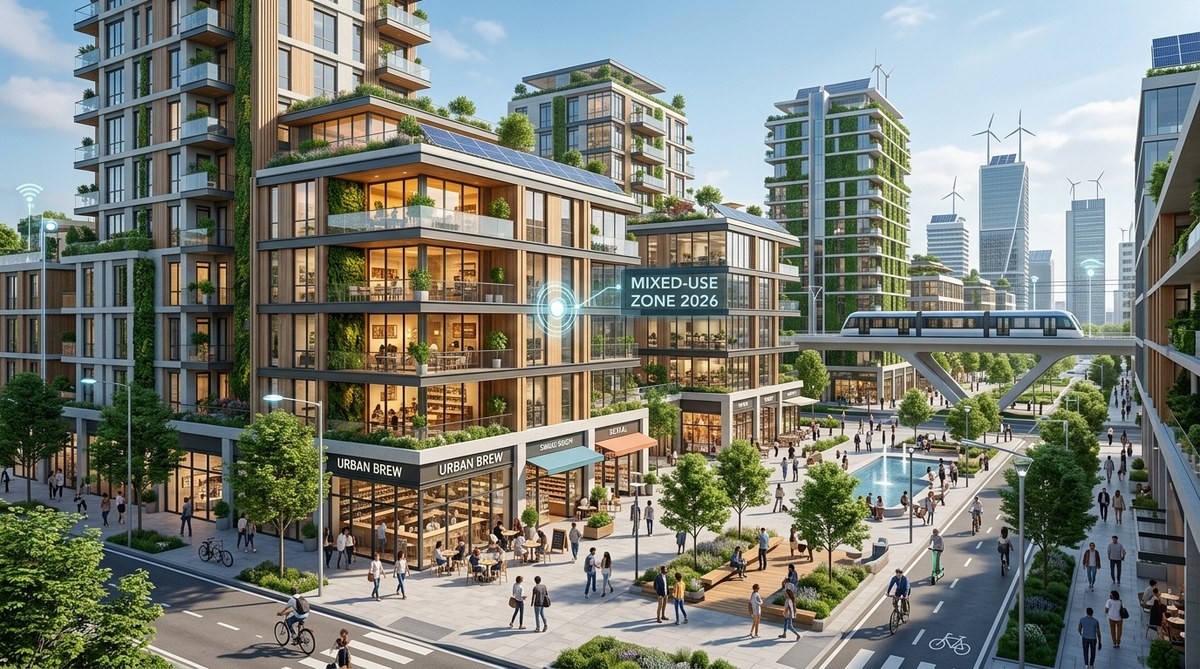
Transforming rooftops and vacant lots into lush gardens requires effort but pays off in resilience, beauty, and community health. By embracing green infrastructure, cities can become more livable, sustainable, and adaptive. Whether you are an urban planner, environmental advocate, or city official, starting small and scaling up can lead to meaningful change. Green roofs and urban gardens are powerful tools to turn concrete jungles into thriving ecosystems, fostering a brighter, greener future for urban living.
Growing a greener tomorrow, one rooftop at a time
Maintaining and expanding green spaces in cities is an ongoing journey. As technology advances and awareness grows, integrating nature into urban environments becomes easier and more impactful. Encourage collaboration across sectors and communities to maximize benefits. With thoughtful planning and community support, your city can flourish with sustainable, vibrant green spaces that serve generations to come.


Leave a Reply