
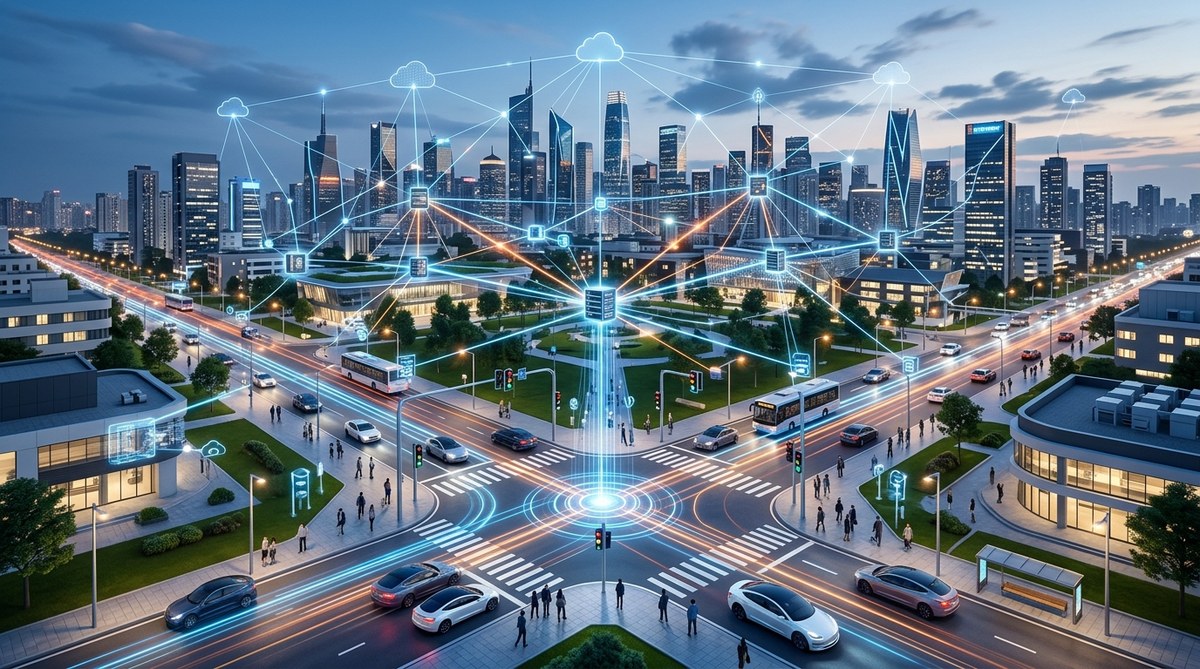
Picture a busy downtown intersection during evening rush hour. A traffic light holds its green too long for an empty lane while a dozen cars idle on the cross street. Meanwhile, a fire truck approaches from six blocks away, and no one has told the signals to clear a path. That delay, that lack of local intelligence, is exactly the problem edge computing solves.
Smart cities generate enormous amounts of data every second. Cameras, air quality sensors, parking meters, and traffic loops all send information somewhere. In the old model, that data traveled to a distant cloud data center, got processed, and then a command traveled back. The round trip could take seconds. In city operations, seconds matter. Edge computing flips that model. It processes data right where it is collected, at the “edge” of the network, inside a traffic cabinet, on a light pole, or inside a public safety vehicle. The result is decision making that happens in milliseconds, not seconds.
Edge computing brings data processing closer to the sensors and devices that generate it. For smart cities, that means traffic signals can react instantly to congestion, emergency vehicles can get green light corridors without waiting for a cloud command, and public safety systems can analyze video feeds on site. The result is lower latency, higher reliability, and better real time decision making for urban infrastructure.
Why Cloud Only Falls Short for City Operations
Cloud computing is powerful. It offers massive storage, advanced analytics, and the ability to run complex machine learning models. But it has one fundamental weakness for smart cities: physics. Data travels at the speed of light through fiber, but that still takes time. A round trip from a sensor in downtown Austin to a cloud server in Dallas and back adds about 10 to 30 milliseconds. That sounds fast, but it is too slow for a system trying to prevent a collision at an intersection.
There are other problems too. Network congestion can cause packet loss. A fiber cut can take down an entire traffic management zone. And sending every video feed from thousands of cameras to the cloud costs a fortune in bandwidth. Edge computing solves all three issues by keeping processing local.
For urban planners and municipal IT decision makers, the shift to edge computing is not just a technical upgrade. It is a fundamental change in how cities respond to real time events. According to a 2026 report from the International Data Corporation, more than 60 percent of city infrastructure deployments now include some form of edge processing. That number is growing.
How Edge Computing Transforms Real Time Decision Making
Let us look at three specific areas where edge computing is already changing city operations.
Traffic Management That Actually Adapts
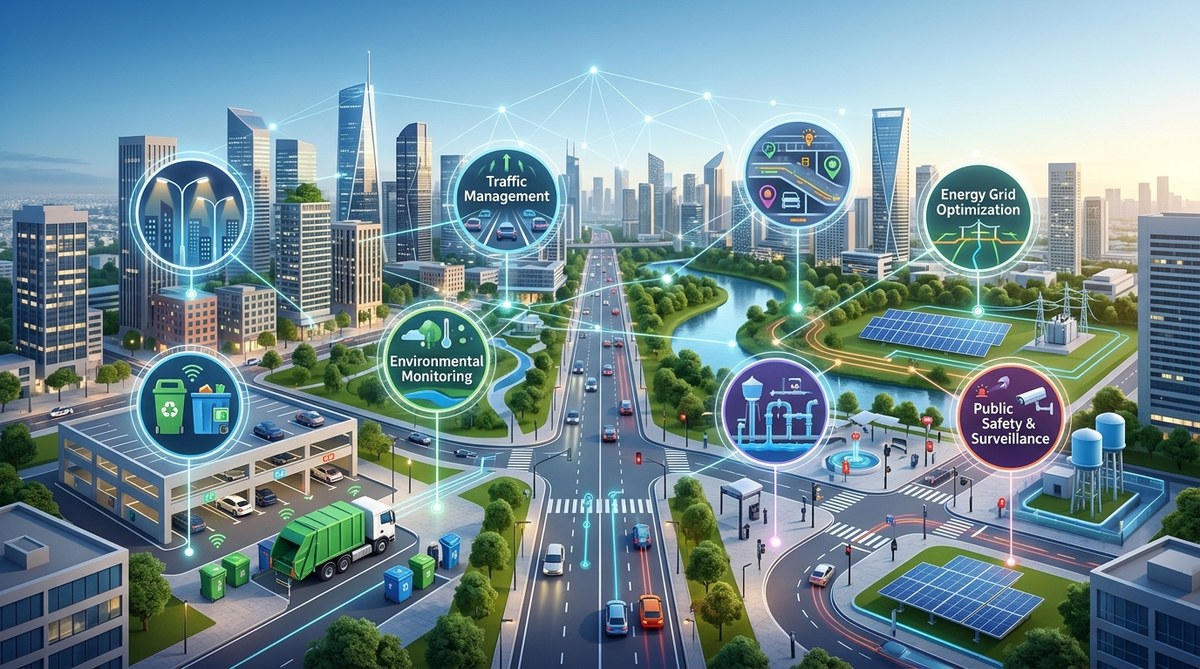
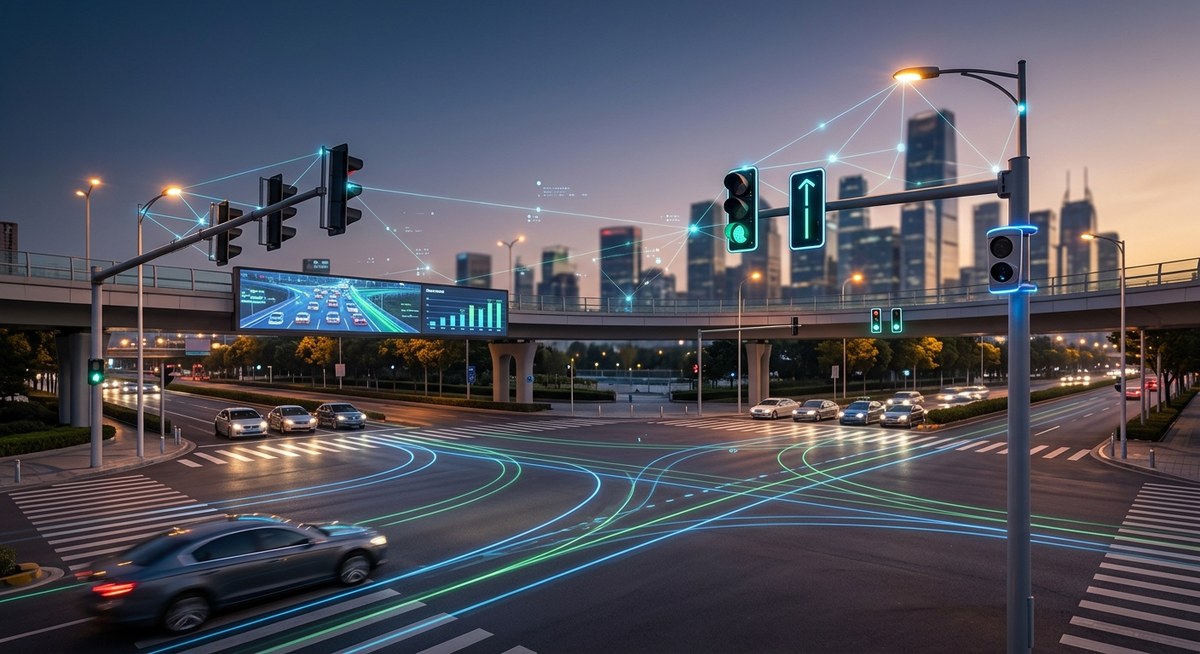
Traditional traffic signals run on fixed timers or simple loop detectors. They cannot see an accident three blocks away or predict a surge of pedestrians after a concert. Edge computing changes that. A small computer mounted inside a traffic cabinet can process video from a nearby camera, detect vehicle density, and adjust signal timing in real time. No cloud round trip needed.
Consider a real scenario from 2025 in Columbus, Ohio. The city deployed edge nodes at 12 major intersections along a bus rapid transit corridor. Each node processes camera data locally and communicates with neighboring nodes to create a coordinated green wave for buses. The result was a 22 percent reduction in bus travel time during peak hours. The system did not rely on a central server. It made decisions locally, in milliseconds.
For a deeper look at how data drives these systems, read our article on harnessing data analytics to transform urban living in smart cities.
Public Safety with Zero Lag
Public safety systems rely on video analytics, license plate recognition, and gunshot detection. Sending all that video to the cloud introduces latency that can be the difference between an arrest and a suspect escaping. Edge computing processes video on the camera or on a nearby node. It only sends alerts and metadata to the cloud for long term storage.
A police department in Las Vegas tested edge based license plate recognition in 2026. The system identified stolen vehicles in under 200 milliseconds and alerted officers before the car passed the next intersection. The same system also reduced bandwidth usage by 85 percent because it only transmitted plate numbers and timestamps, not full video streams.
Energy Grids That Balance Themselves
Smart grids are another area where edge computing shines. Solar panels on rooftops, electric vehicle chargers, and battery storage all create variable loads. A central cloud system cannot react fast enough to prevent a voltage sag or a transformer overload. Edge controllers at substations can balance loads locally and only report anomalies to the central utility.
In San Diego, a pilot program in 2026 used edge controllers on 50 distribution transformers. The controllers adjusted voltage in real time based on local solar generation and EV charging demand. The utility reported a 12 percent reduction in peak load and fewer voltage fluctuations in neighborhoods with high solar penetration.
A Practical Process for Planning an Edge Deployment
If you are an urban planner or IT architect evaluating edge computing for your city, follow this numbered process to get started.
-
Audit your latency requirements. Every city application has a different tolerance for delay. Traffic signal preemption for emergency vehicles needs sub 50 millisecond response. Parking space availability can tolerate a few seconds. Map out which systems need real time and which can wait.
-
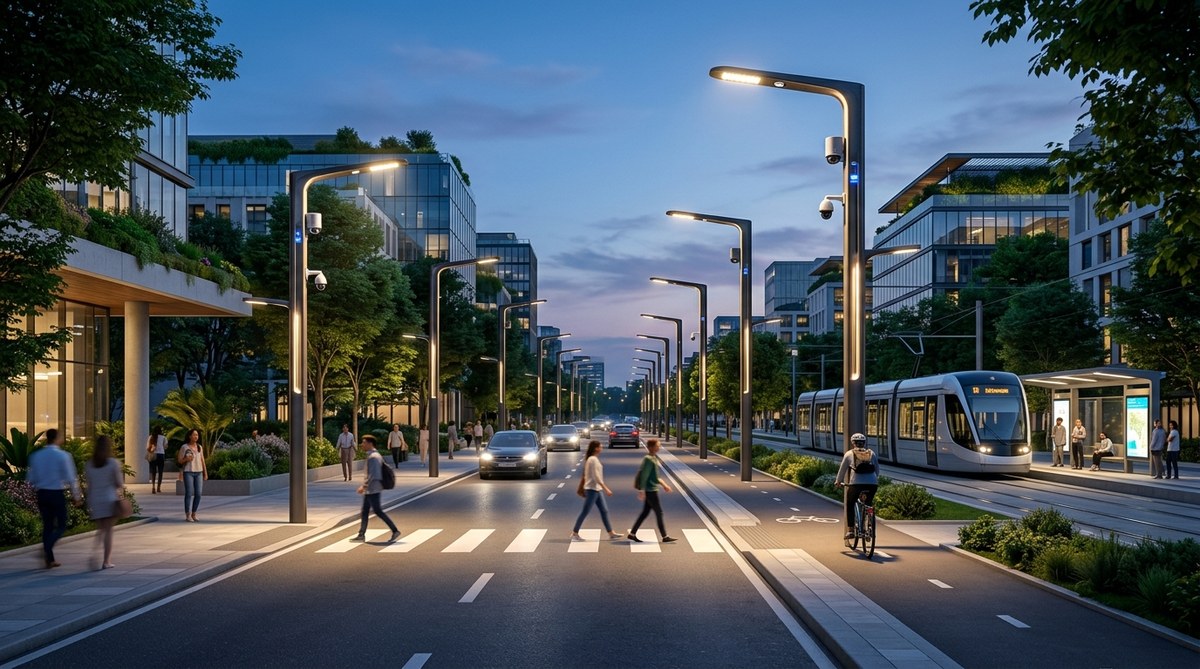
Identify the right edge locations. Edge nodes need to be physically close to the sensors they serve. Look for existing infrastructure like traffic cabinets, light poles, and utility boxes that have power and network connectivity.
-
Choose the right hardware. Not all edge devices are equal. Some are ruggedized for outdoor temperatures. Others have GPU accelerators for video processing. Match the hardware to the workload.
-
Plan for edge to cloud integration. Edge nodes should not operate in a silo. They need to send summaries, alerts, and analytics to a central cloud platform for city wide dashboards and long term planning. Design the data flow early.
-
Test with a small pilot. Pick one corridor or one neighborhood. Run the edge system alongside your existing infrastructure for 30 days. Measure latency, reliability, and bandwidth savings before scaling.
-
Build in redundancy. Edge nodes can fail. Plan for failover to neighboring nodes or fallback to cloud processing. A single point of failure at the edge defeats the purpose of having a resilient system.
Common Mistakes and How to Avoid Them
Cities that rush into edge deployments often make the same errors. The table below outlines the most common mistakes and the correct approach.
| Mistake | Why It Hurts | Better Approach |
|---|---|---|
| Using consumer grade hardware outdoors | Devices overheat, freeze, or fail in rain | Use industrial grade hardware rated for IP65 or higher |
| Sending all raw data to the cloud anyway | Wastes bandwidth and defeats the purpose of edge processing | Filter and compress data at the edge; send only actionable insights |
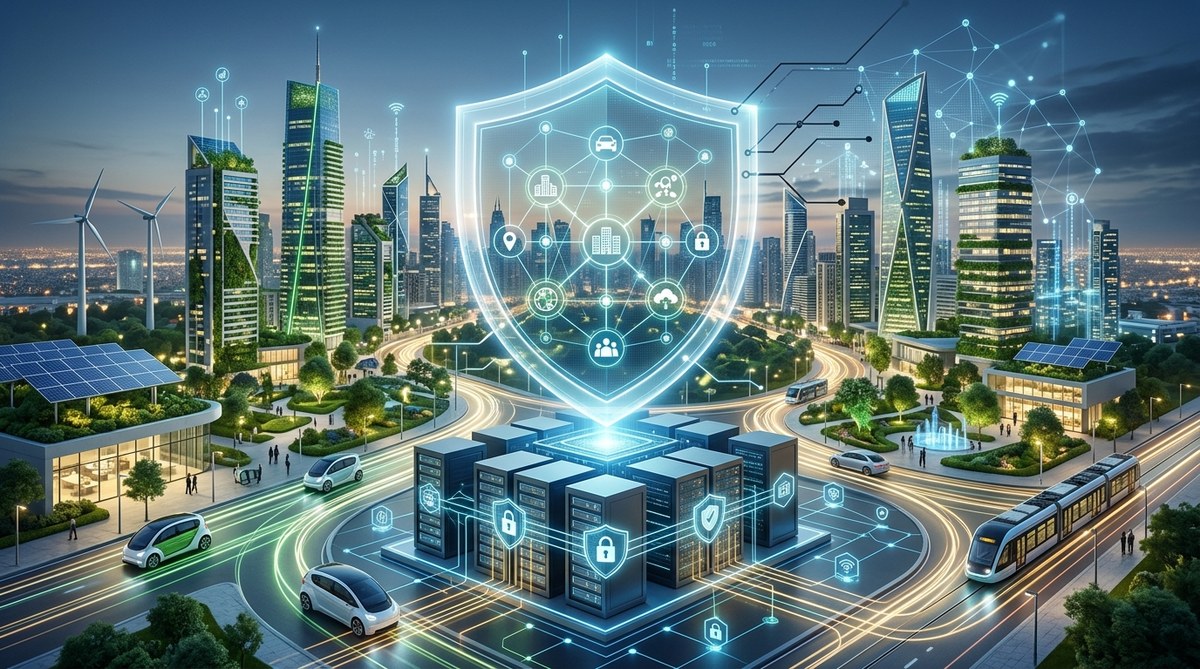
| Ignoring cybersecurity at the edge | Edge nodes are physical targets for tampering | Encrypt all local storage, use secure boot, and require authentication for physical access |
| Deploying without a clear data governance policy | Data ownership and privacy become unclear | Define data retention, anonymization, and access rules before deployment |
| Overlooking power consumption | Edge devices run 24/7 and can strain local circuits | Choose low power hardware and consider solar or battery backup for remote nodes |
Expert Advice on Getting It Right
“The biggest mistake I see cities make is treating edge computing like a smaller version of the cloud. It is not. Edge is a distributed system that must be designed for autonomy. Your traffic lights should still work even if the internet goes down. Plan for that independence from day one.”
Dr. Anya Sharma, Director of Urban Technology at the Smart Cities Innovation Lab, Austin, TX
Her advice aligns with what successful cities have learned. Edge computing is not about replacing the cloud. It is about creating a local layer of intelligence that can act on its own when needed.
The Role of IoT Sensors and Real Time Monitoring
Edge computing works best when paired with a robust network of IoT sensors. These sensors collect the raw data that edge nodes process. Temperature, vibration, air quality, sound levels, and motion are all inputs that can trigger local actions.
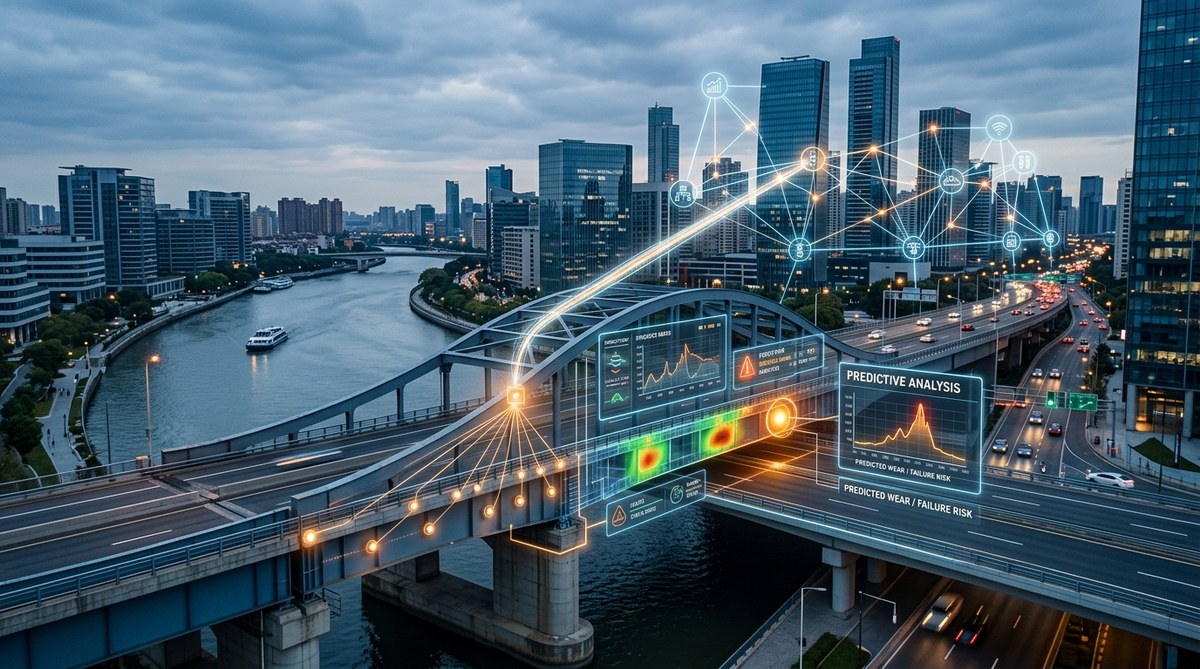
For example, a smart water management system can use edge processing to detect a pressure drop in a pipe and automatically close a valve within milliseconds. That prevents a burst main from flooding a street. The same system can also learn normal pressure patterns over time and predict failures before they happen.
To understand how sensors feed into these systems, check out our guide on how to leverage IoT sensors for real time urban infrastructure monitoring.
Key Benefits for Urban Planners and IT Teams
Here are the main reasons edge computing is becoming essential for smart city projects in 2026.
- Lower latency. Decisions happen in milliseconds, not seconds. Traffic systems, emergency response, and grid management all benefit.
- Bandwidth savings. Processing data locally reduces the amount of data sent to the cloud by up to 90 percent.
- Improved reliability. Edge systems continue to operate even when the internet connection drops. That is critical for public safety.
- Better privacy. Sensitive data like video feeds and license plates can be processed locally and never transmitted. Only metadata leaves the edge node.
- Scalability. Adding a new edge node is simpler than expanding cloud capacity. Each node handles its own workload.
For a broader view of the technologies shaping cities this year, read our list of 7 smart city technologies that will dominate urban development in 2026.
A Look Ahead: Edge and AI Together
The next evolution of edge computing in smart cities involves running lightweight AI models directly on edge devices. This is already happening. In 2026, several cities are testing computer vision models that run on edge GPUs to detect potholes, illegal dumping, and sidewalk obstructions in real time. The AI processes the video locally and sends a work order to the public works department automatically.
This combination of edge computing and AI is sometimes called “tinyML” or “edge AI.” It allows cities to deploy intelligent systems without relying on a constant cloud connection. For urban planners, this opens up possibilities for low cost monitoring in areas with poor network coverage.
If you are interested in how AI specifically improves traffic flow, see our article on how AI powered traffic management is reducing congestion in smart cities.
Putting Edge Computing to Work in Your City
Edge computing is not a futuristic concept. It is deployed today in cities across the United States. The technology is mature, the hardware is affordable, and the benefits are measurable. For urban planners and municipal IT leaders, the question is no longer whether to adopt edge computing. The question is where to start.
Pick one problem. Maybe it is a congested intersection. Maybe it is a neighborhood with frequent power fluctuations. Maybe it is a public safety corridor where response times need to improve. Deploy a small edge node, measure the results, and build from there. The city of tomorrow will not be run from a distant server farm. It will be run from the street corner, the light pole, and the traffic cabinet. The edge is where the action is.

Leave a Reply