
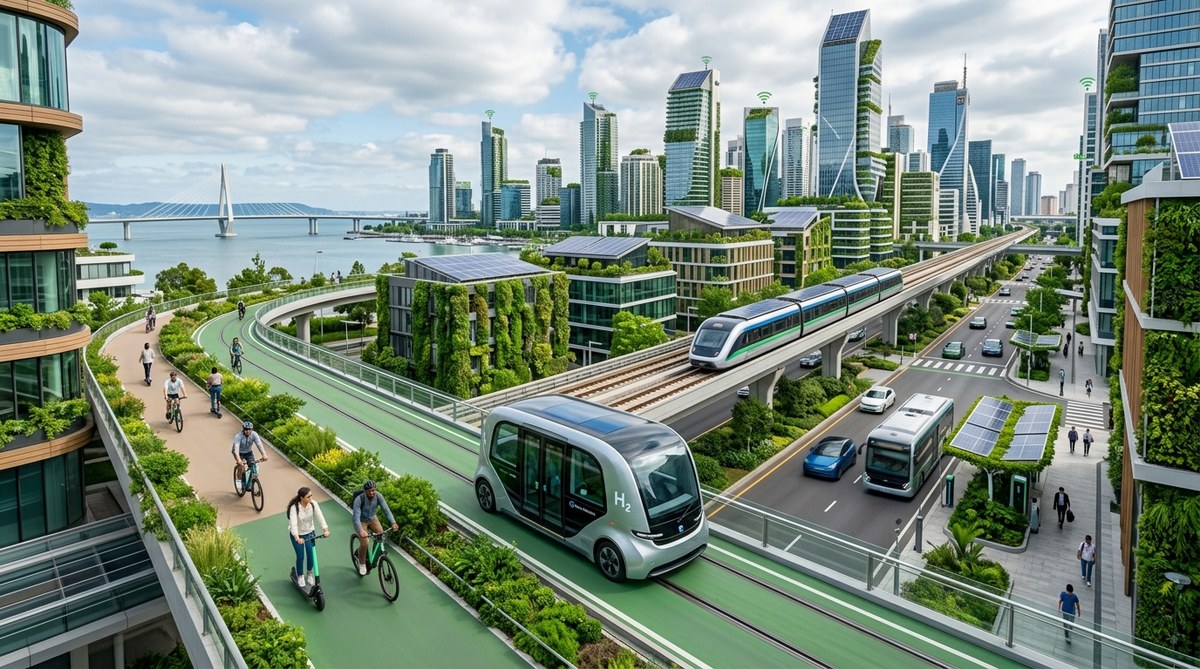
Urban areas around the world are transforming rapidly. The push for sustainable living has sparked a wave of green urban mobility innovations. These advancements aim to make city travel cleaner, smarter, and more accessible. With the right mix of technology and planning, cities can reduce pollution, ease congestion, and create healthier environments for residents. This shift is not just about new vehicles but also about smarter infrastructure and forward-thinking policies that prioritize the planet and people alike.
Green urban mobility innovations are reshaping cities with sustainable transport options like electric vehicles, micro-mobility, and smart infrastructure. They help reduce emissions, ease congestion, and improve urban living. Embracing these changes requires collaboration among planners, tech developers, and residents to build smarter, cleaner cities for the future.
Understanding the Shift Toward Green Mobility
Cities are increasingly prioritizing eco-friendly transport solutions. This shift is driven by the urgent need to cut carbon footprints and improve air quality. Green mobility innovations encompass a wide range of technologies and strategies that make city travel more sustainable. From electric bikes to smart traffic management, these innovations are transforming urban landscapes into healthier, more livable places.
Key Innovations Driving Urban Sustainability
Electric Vehicles and Charging Infrastructure
Electric vehicles (EVs) have become a cornerstone of green urban mobility. They produce no tailpipe emissions and are increasingly affordable. Cities are installing widespread charging stations, making EVs more practical for daily use. Many municipalities also incentivize EV adoption through subsidies and tax breaks, encouraging residents to switch from traditional gasoline cars.
Micro-mobility Solutions
Small, lightweight vehicles like e-scooters and e-bikes are revolutionizing short-distance travel. They offer quick, affordable, and flexible options for commuters. Micro-mobility reduces reliance on cars, easing congestion and lowering emissions. Cities like Paris and Singapore have integrated micro-mobility hubs into their planning to promote these alternatives.
Smart Public Transit Systems
Public transportation is becoming smarter with the integration of AI and IoT technologies. Real-time tracking, dynamic scheduling, and contactless ticketing improve user experience and efficiency. These systems are designed to attract more riders, reduce private vehicle use, and cut overall emissions.
Green Infrastructure and Urban Planning
Green corridors, bike lanes, and pedestrian zones are being incorporated into city designs. These features promote walking and cycling, reducing vehicle dependency. Urban planners are also focusing on mixed-use developments that allow residents to live, work, and play within walkable distances, further decreasing the need for motorized transport.
Practical Steps to Implement Green Urban Mobility
- Assess and Plan: Conduct transportation audits to identify emissions hotspots and areas needing sustainable solutions.
- Invest in Infrastructure: Build charging stations, bike lanes, and pedestrian-friendly zones.
- Promote Alternatives: Offer incentives for electric vehicle adoption and micro-mobility use.
- Leverage Technology: Use data analytics and AI to optimize traffic flow and public transit scheduling.
- Engage the Community: Educate residents about the benefits of green mobility and involve them in planning.
Techniques and Pitfalls in Green Mobility Projects
| Techniques | Common Mistakes |
|---|---|
| Installing charging stations | Overestimating demand leading to unused stations |
| Creating dedicated bike lanes | Poor planning causing safety issues |
| Implementing real-time transit apps | Ignoring user feedback for improvements |
| Urban green space development | Neglecting maintenance and accessibility |
| Integrating micro-mobility hubs | Insufficient regulation causing clutter |
Expert Advice on Building Sustainable Transport Systems
“The success of green urban mobility hinges on a mix of innovative technology, thoughtful urban design, and community engagement. Cities that prioritize these aspects will see faster adoption and greater environmental benefits,” notes urban planning expert Dr. Lisa Chen.
Challenges and Opportunities in Green Urban Mobility
Transitioning to sustainable transportation faces hurdles such as funding, regulatory hurdles, and public acceptance. However, these challenges are balanced by opportunities for economic growth, improved health, and enhanced quality of life. Cities that lead with innovative policies and inclusive planning will set benchmarks for others to follow.
How to Foster a Culture of Sustainable Urban Travel
- Educate residents about the environmental benefits of green mobility.
- Involve communities in planning and decision-making.
- Showcase success stories from other cities to inspire action.
- Provide incentives for adopting eco-friendly transportation options.
- Create pilot programs to test and refine new solutions.
Connecting the Dots: Smart Infrastructure and Policy
Smart infrastructure acts as the backbone of green mobility. Sensors, data analytics, and AI optimize traffic flow and reduce congestion. Policies that support electric vehicle use, micro-mobility, and green space development create an enabling environment. Collaboration among government agencies, private sector, and residents is essential to accelerate change.
The Road Ahead for Sustainable Urban Travel
The future of city travel lies in integrated, multi-modal systems that prioritize sustainability. As technology advances, cities will be able to implement more efficient, cleaner transportation networks. Ongoing innovation and community participation are key to realizing these visions.
Making Green Mobility a Reality in Your City
Implementing green urban mobility innovations requires a practical approach. Start small by promoting micro-mobility in neighborhoods. Expand infrastructure gradually based on data insights. Engage residents through awareness campaigns and incentives. Building a sustainable transport ecosystem takes time but yields long-term benefits for everyone.
Rethinking Urban Travel for a Healthier Future
Cities that embrace green mobility are creating healthier environments for their residents. Reduced pollution improves air quality. Less congestion means safer streets. Active transportation options like biking and walking promote healthier lifestyles. These benefits make green urban mobility a smart investment in urban resilience.
Final Thoughts on Building Better Cities
Green urban mobility innovations are reshaping how we think about city travel. They offer practical, effective ways to address pressing environmental and social challenges. By embracing these solutions, urban areas can become more sustainable, inclusive, and vibrant. Residents and planners alike have a role to play in shaping this future. Small steps today can lead to major improvements tomorrow.
Remember the power of collaboration and innovation. With thoughtful planning and community support, cities can transition smoothly toward greener, smarter transportation systems. The future is bright for sustainable urban travel, and each of us can contribute to making it a reality.

Leave a Reply