

City planners across the United States are discovering something important. The most advanced traffic sensors and smart energy grids mean little if the people living on those streets have no voice in how their neighborhoods evolve. Citizen engagement platforms promise to bridge that gap. But do they actually work? And can they truly shape smarter city planning? The answer depends on how you design them, who you include, and what you do with the feedback you collect.
Citizen engagement platforms are no longer optional extras in smart city planning. They are essential tools for collecting real time feedback, building public trust, and making data informed decisions. When designed with inclusivity and transparency, these platforms help planners create cities that reflect what residents truly need. This article breaks down how they work, where they fail, and how to use them effectively in your community.
## The Shift from Static Surveys to Living Dialogues
Traditional methods like town halls and paper surveys have their place. They can work well for specific audiences and small scale decisions. But they often capture the loudest voices while missing everyone else. People with flexible schedules, strong opinions, and familiarity with local government tend to show up. Everyone else stays home.
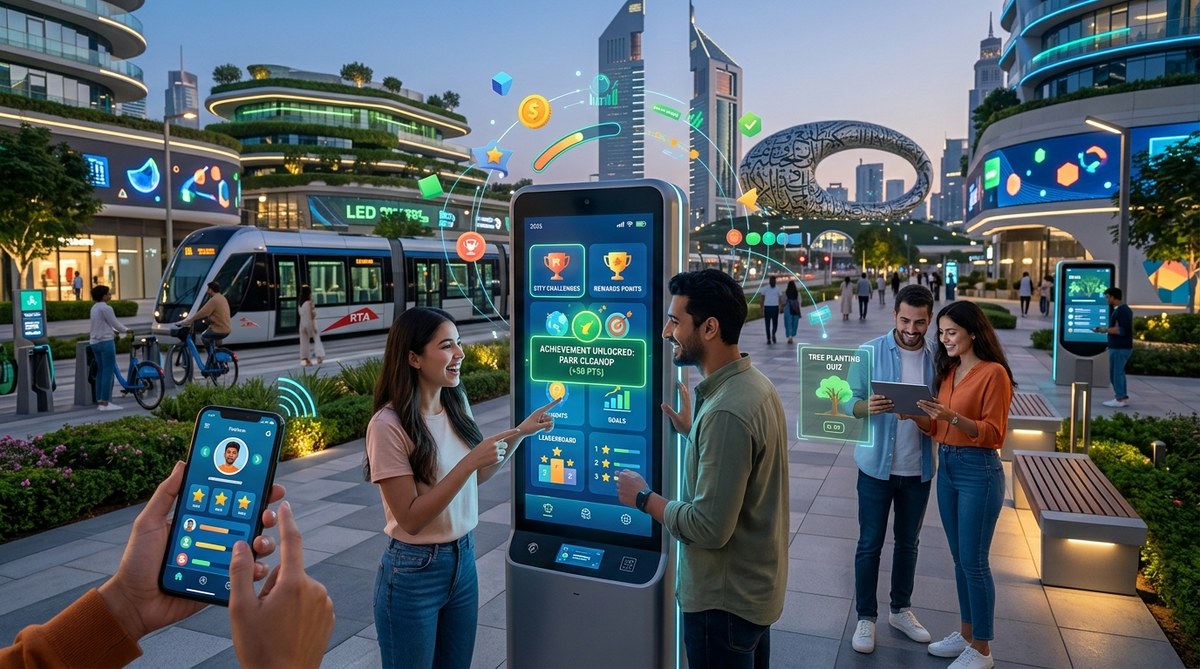
Digital engagement platforms change that dynamic. They allow cities to reach residents where they already spend their time. On their phones. On their laptops. In their native languages. And at times that work for their schedules, whether that is late at night after work or during a lunch break.
This shift matters because smart city planning is about more than technology. It is about people. A truly smart city uses data to serve its residents, not the other way around. That is why [integrating smart technologies for efficient urban planning](https://futureurbanism.ae/integrating-smart-technologies-for-efficient-urban-planning/) must include a human centered layer. Without that layer, even the most advanced infrastructure can feel disconnected from the community it is meant to serve.
The move from static surveys to living dialogues also changes the relationship between city officials and residents. Instead of asking for input once every few years, cities can maintain ongoing conversations. They can track how opinions shift over time. They can test ideas before committing resources. And they can build trust through repeated, transparent interactions.
## What Makes a Citizen Engagement Platform Actually Work?
Not all platforms are created equal. The ones that succeed share three core characteristics.
### Real Time Feedback Loops
The best platforms provide feedback that is immediate. When a resident reports a pothole or suggests a new bike lane, they want to know their input was received. They want to see what happened next. Platforms that close this loop build trust over time. A simple automated reply that says “we received your suggestion” is a start. But the real impact comes when the city follows up with a specific update. “Your suggestion about the bike lane on Elm Street was reviewed by the transportation department. It will be included in the 2027 budget proposal.”
This kind of transparency turns a one time comment into an ongoing relationship. Residents feel like partners, not just data sources.
### Inclusive by Design
A platform that only works in English on a smartphone excludes large portions of the population. That is a problem because smart city planning should benefit everyone, not just the people who already have access to technology.
Successful engagement tools offer multiple languages, text based options, and in person kiosks for residents without internet access. They also target outreach to younger residents, older adults, renters, and immigrant communities. Some cities have started using SMS based platforms that work on any phone. Others have placed tablets in community centers, libraries, and laundromats.
The goal is to make participation as easy as possible. Every barrier you remove adds another voice to the conversation.
### Transparency Built In
Residents are more likely to participate when they can see how their input was used. Platforms that share project timelines, budget allocations, and decision rationales create a sense of ownership. This transparency turns passive users into active partners.
One city in Colorado now includes a “you said, we did” section on its platform after every major project. The section lists the top five concerns raised by residents and explains how the city addressed each one. This simple practice has increased participation rates by 35 percent over two years.
## A Practical Framework for Urban Planners
Here is a five step process for launching a citizen engagement platform that actually influences city planning decisions.
1. Define the decision you are asking about. Be specific. Instead of “what do you think about downtown?” ask “should we add a protected bike lane on Main Street between 5th and 10th Avenue?” Specific questions produce useful answers. Vague questions produce vague feedback that is hard to act on.
2. Choose the right mix of channels. Use the online platform for surveys and idea boards. Supplement with text message alerts, library kiosks, and pop up events at farmers markets. Different residents prefer different methods. Offering multiple channels increases the diversity of responses.
3. Set a minimum threshold for representation. Require that feedback includes input from at least three different demographic groups before a decision moves forward. This prevents the loudest voices from dominating the conversation and ensures that marginalized groups are heard.
4. Analyze the data with context. Pair the platform data with census information, traffic counts, and past engagement records to avoid biased conclusions. A spike in complaints about parking might reflect a new business opening, not a long standing problem.
5. Report back within 30 days. Share what you heard, what changed, and what stayed the same. Explain your reasoning in plain language. Avoid jargon and acronyms. Residents appreciate honesty, even when the decision does not go their way.
Following this framework helps ensure that [harnessing data analytics to transform urban living in smart cities](https://futureurbanism.ae/harnessing-data-analytics-to-transform-urban-living-in-smart-cities/) actually leads to better outcomes for residents.
## Common Pitfalls and How to Avoid Them
Even well intentioned engagement efforts can go wrong. Here are the most common mistakes and how to avoid them.
| Technique | Common Mistake | Better Approach |
|———–|—————|—————–|
| Online surveys | Asking leading questions that bias results | Use neutral phrasing and randomize answer order |
| Public workshops | Holding them only during work hours in one location | Offer evening sessions in multiple neighborhoods |
| Digital dashboards | Showing raw data without context | Present trends alongside explanations |
| Social media polls | Only reaching residents who follow the city | Boost posts and pair with offline outreach |
| Idea boards | Letting the most vocal users dominate | Use moderation and voting to surface diverse ideas |
Avoiding these mistakes is critical. A poorly designed engagement effort can erode trust faster than no engagement at all. Residents who feel manipulated or ignored may disengage entirely. They may also share their negative experience with neighbors, making future outreach even harder.
## Learning from Cities That Got It Right
Theory is useful. Examples are better. Here are two cities that used citizen engagement platforms to make real changes.
Take a mid sized city in the Pacific Northwest that used a citizen engagement platform to redesign its public transit system. The city launched a digital map where residents could drop pins on problematic stops and suggest new routes. More than 4,000 residents participated. The transit authority used the data to reroute three bus lines and add shelter at 12 stops. Ridership on those lines increased by 18 percent within six months. The key was that residents could see their suggestions reflected in the final plan.
Or consider a city in the Northeast that used a participatory budgeting platform. Residents voted online and in person on how to spend $5 million in capital funds. The winning projects included new playground equipment, street trees, and library upgrades. The city reported a 40 percent increase in civic trust scores after the process. Residents felt that their votes mattered.
These examples show that [7 smart city technologies that will dominate urban development in 2026](https://futureurbanism.ae/7-smart-city-technologies-that-will-dominate-urban-development-in-2026/) are only as powerful as the people they serve.
## Why Some Platforms Fail to Gain Traction
Not every citizen engagement platform succeeds. Here are the most common reasons they fall short.
– The city asks for input but never follows up. Residents feel ignored and stop participating. This is the number one reason platforms fail.
– The platform is hard to use. Complicated login processes or confusing navigation drive people away within minutes.
– Outreach is too narrow. Only one demographic group hears about the platform, leading to skewed results that do not represent the community.
– The questions are too vague. Residents do not know what they are being asked to decide, so they either skip the survey or give unhelpful answers.
– The timeline is too short. People need time to learn about an issue and form an opinion. A three day window is not enough for most residents.
– The platform lacks mobile access. Many residents only use their phones to go online. A desktop only platform excludes them entirely.
Avoiding these issues requires intentional design. It also requires a commitment to [smart urban solutions transforming cityscapes of the future](https://futureurbanism.ae/smart-urban-solutions-transforming-cityscapes-of-the-future/) in ways that include everyone.
## The Road Ahead for Citizen Engagement
The technology behind these platforms is evolving fast. Artificial intelligence can now help summarize thousands of comments into key themes. Digital twins allow residents to visualize proposed changes before they are built. Mobile apps make it possible to participate from anywhere. And blockchain based voting systems are starting to offer secure, verifiable ballots for public referenda.
But the core principle stays the same. People want to be heard. They want to shape the places where they live, work, and raise their families. Technology is just the medium. The message comes from the community.
> “The most successful smart cities are not the ones with the most sensors. They are the ones where residents feel a sense of ownership over the decisions that shape their neighborhoods. Citizen engagement platforms are a means to that end, not an end in themselves.” — Urban planning director, City of Austin
This quote captures the real challenge. It is not about choosing the right software. It is about building a culture of participation that lasts beyond any single project.
## Your Next Step in Building a Participatory Smart City
If you are an urban planner or city official, start small. Pick one project. One neighborhood. One decision that needs public input. Launch a simple platform with clear questions and a visible feedback loop. See what happens. Learn from the results. Then expand.
The cities that will thrive in 2026 and beyond are the ones that treat residents as partners, not just data points. Citizen engagement platforms can help make that partnership real. But only if you commit to listening, acting, and reporting back. That is how you build a smarter city for everyone.




Leave a Reply