
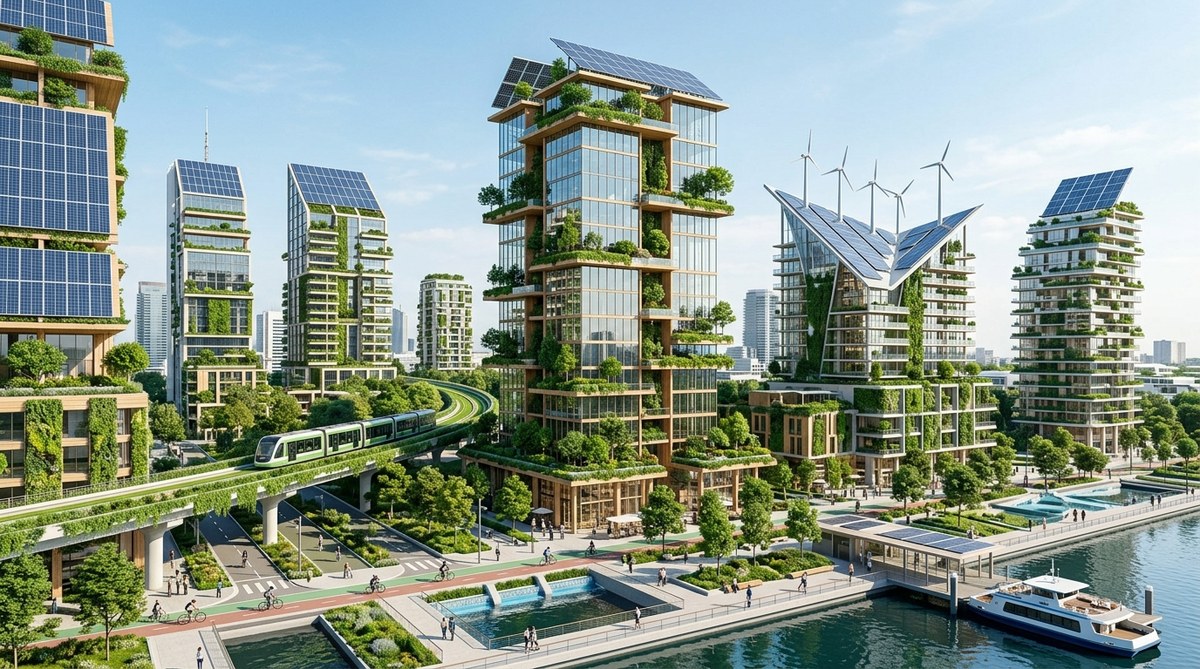
Building cities that are both vibrant and eco-conscious is no longer just a goal—it’s a necessity. As urban populations grow, so does the urgency to develop sustainable cities that prioritize environmental health, social well-being, and economic viability. Green building innovations play a pivotal role in this transformation, offering practical solutions to reduce carbon footprints and make urban living more sustainable. From innovative construction techniques to smart infrastructure, the future of cities hinges on our ability to integrate green principles into everyday urban life.
Green building innovations are essential for creating sustainable cities. They reduce emissions, conserve resources, and improve urban living. Embracing smart, eco-friendly solutions today paves the way for healthier, more resilient urban environments tomorrow.
Understanding the importance of sustainable cities and green building innovations
Urban areas are responsible for a significant portion of the world’s energy consumption and carbon emissions. Yet cities also hold the greatest potential for positive change. Implementing green building techniques and innovative infrastructure can drastically cut environmental impacts while enhancing quality of life for residents. Sustainable cities are not just about eco-friendly buildings but also about creating interconnected systems that promote energy efficiency, water conservation, and a healthier urban ecosystem.
Key strategies driving green building innovations
Creating sustainable cities involves adopting multiple strategies that work together to minimize environmental footprints. Here are the main approaches shaping urban development today:
1. Incorporating energy-efficient and smart building technologies
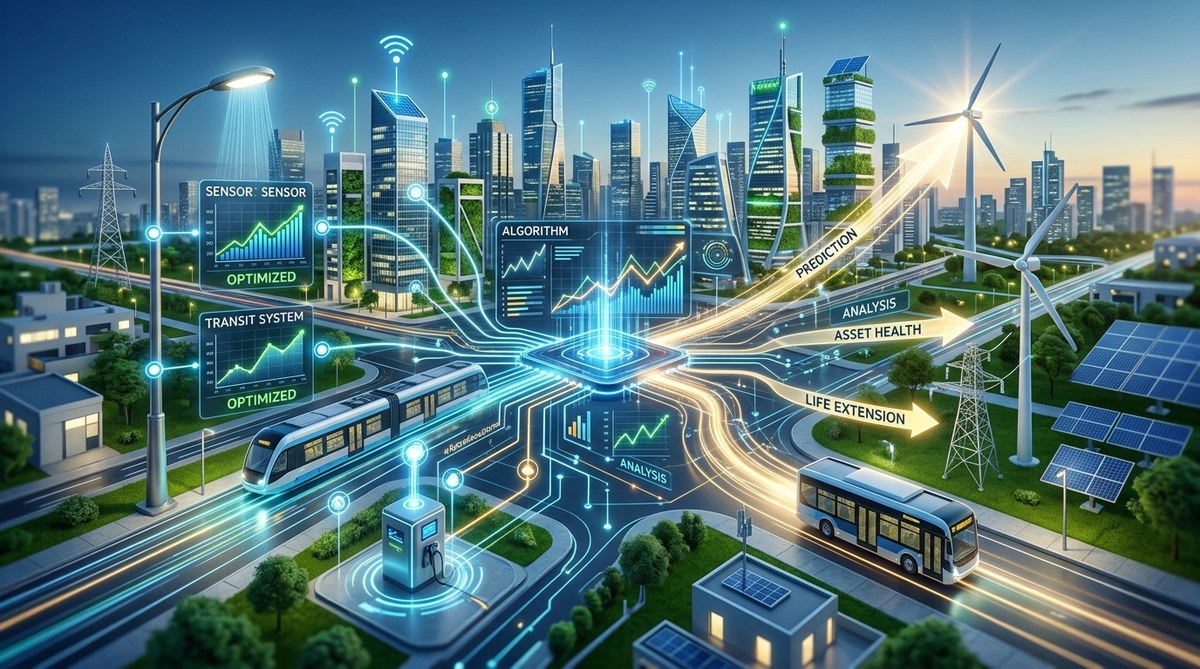
Smart buildings utilize sensors, automation, and data analytics to optimize energy use. Features like automated lighting, heating, and cooling systems ensure minimal waste. High-performance insulation and windows reduce energy demand, lowering greenhouse gas emissions. For example, integrating building management systems can cut energy consumption by up to 30 percent.
2. Using sustainable materials and construction methods
Eco-friendly materials like recycled steel, bamboo, and low-VOC paints reduce environmental impact. Modular construction techniques minimize waste and speed up project completion. Green roofs and walls not only insulate buildings but also contribute to urban biodiversity. These materials and methods support circular economy principles, ensuring resources are reused rather than discarded.
3. Implementing water conservation and management systems
Smart water systems capture rainwater, promote greywater recycling, and reduce waste. Green infrastructure such as permeable pavements and bioswales improve stormwater management, preventing flooding and water pollution. Efficient fixtures and leak detection further conserve water, essential in water-scarce urban areas.
Practical steps for integrating green innovations into urban projects
Urban planners, architects, and policymakers can take specific actions to embed sustainability into city development:
- Assess and prioritize sustainability goals based on local climate, resources, and community needs.
- Design buildings with energy and water efficiency in mind, incorporating green roofs, solar panels, and smart systems.
- Enforce policies and incentives that promote the use of sustainable materials and green infrastructure.
- Foster collaboration among stakeholders including residents, developers, and environmental experts to create shared visions.
- Monitor and adapt strategies based on performance data and emerging technologies.
Techniques and common pitfalls in green building projects
| Technique | Mistake to Avoid |
|---|---|
| Using recycled materials | Relying on unverified sources that may compromise quality |
| Installing solar panels without proper shading analysis | Overlooking shading from nearby structures that reduces efficiency |
| Implementing green roofs without structural reinforcement | Underestimating load requirements leading to structural issues |
| Rushing construction without planning for resource efficiency | Creating waste and delays due to poor planning |
“Integrating green building innovations within urban environments isn’t just about new structures; it’s about rethinking how cities breathe, grow, and adapt,” advises urban sustainability expert Lisa Greenfield.
Scanning list of green building innovations
- Solar-powered street lighting
- Green roofs and walls
- Water harvesting systems
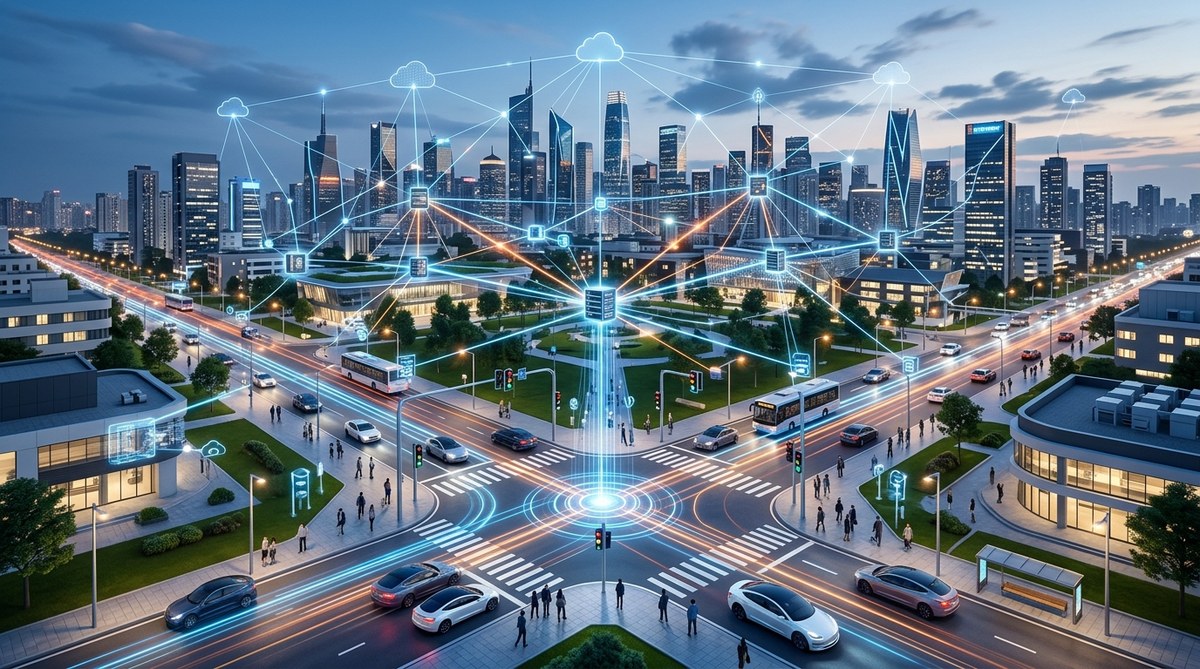
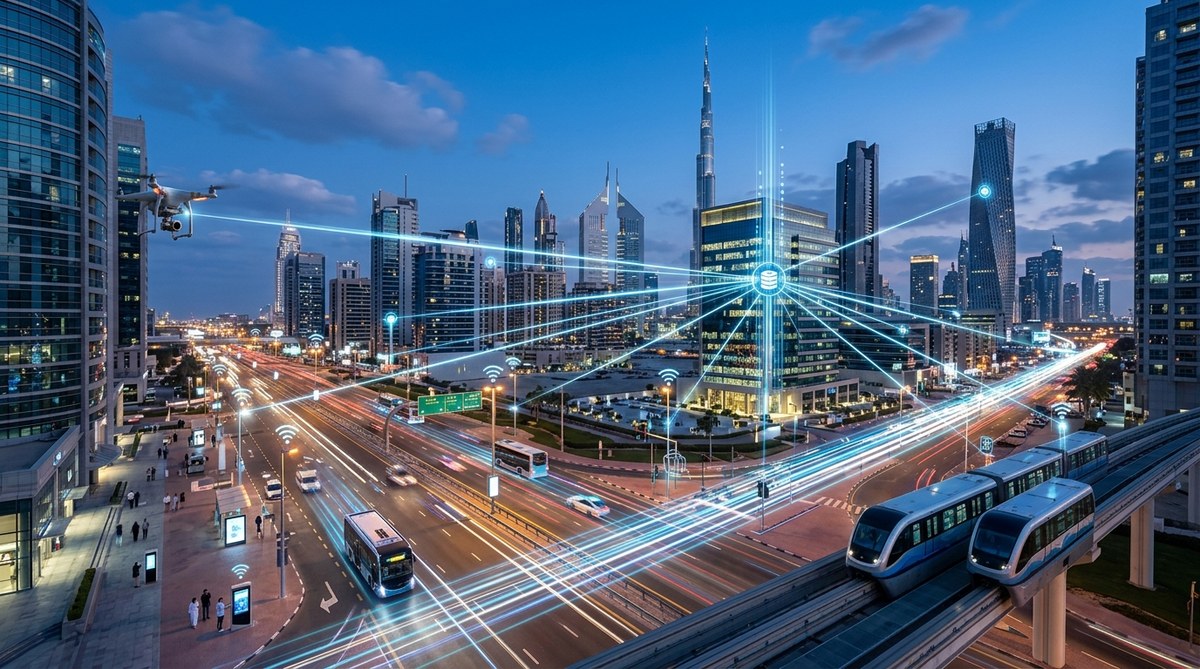
- Smart urban infrastructure
- Zero-emission transportation hubs
- Urban parks and green corridors
- Circular water and waste systems
- Low-impact construction techniques
Real-world examples of green city initiatives
Many cities worldwide are leading the way in sustainable urban development. For instance, Singapore’s Garden City initiative integrates greenery into urban planning, making the city both livable and resilient. Copenhagen’s focus on cycling infrastructure and renewable energy aims for carbon neutrality by 2050. These complex projects demonstrate the power of innovative thinking and collaboration.
How green building innovations shape the future of urban living
The future of cities is about creating environments that are healthier, more efficient, and resilient. Integrating green building innovations leads to:
- Reduced carbon emissions
- Lower operational costs
- Enhanced urban biodiversity
- Improved air and water quality
- Greater community engagement
Advancements like prefabricated eco-friendly modules and smart city platforms further streamline sustainable development processes. These innovations accelerate progress toward urban environments that harmonize with nature.
Practical processes for advancing sustainable cities
Developing green cities requires a clear, step-by-step approach:
- Conduct comprehensive sustainability assessments to identify priorities.
- Design projects with integrated green solutions, combining energy, water, and materials efficiency.
- Secure supportive policies and funding to incentivize green practices.
- Implement pilot projects to test new innovations and gather data.
- Scale successful strategies across neighborhoods and entire cities for maximum impact.
Final thoughts: transforming urban landscapes with green innovations
Making cities sustainable is a shared responsibility. It calls for creative thinking, commitment, and a willingness to embrace new technologies. By focusing on practical, scalable green building innovations, urban areas can evolve into healthier, more resilient places to live. Whether you’re a planner, policymaker, or architect, your role in shaping this future is crucial. Start small, think big, and work collaboratively to turn visions into reality.
Moving forward with sustainable urban visions
Urban sustainability isn’t a distant dream. It is achievable through continuous innovation and cross-sector collaboration. Embracing green building techniques not only benefits the environment but also enhances the well-being of city residents. Every project, no matter how modest, contributes to a more sustainable future. Let’s build smarter, greener cities together, ensuring they thrive for generations to come.

Leave a Reply