
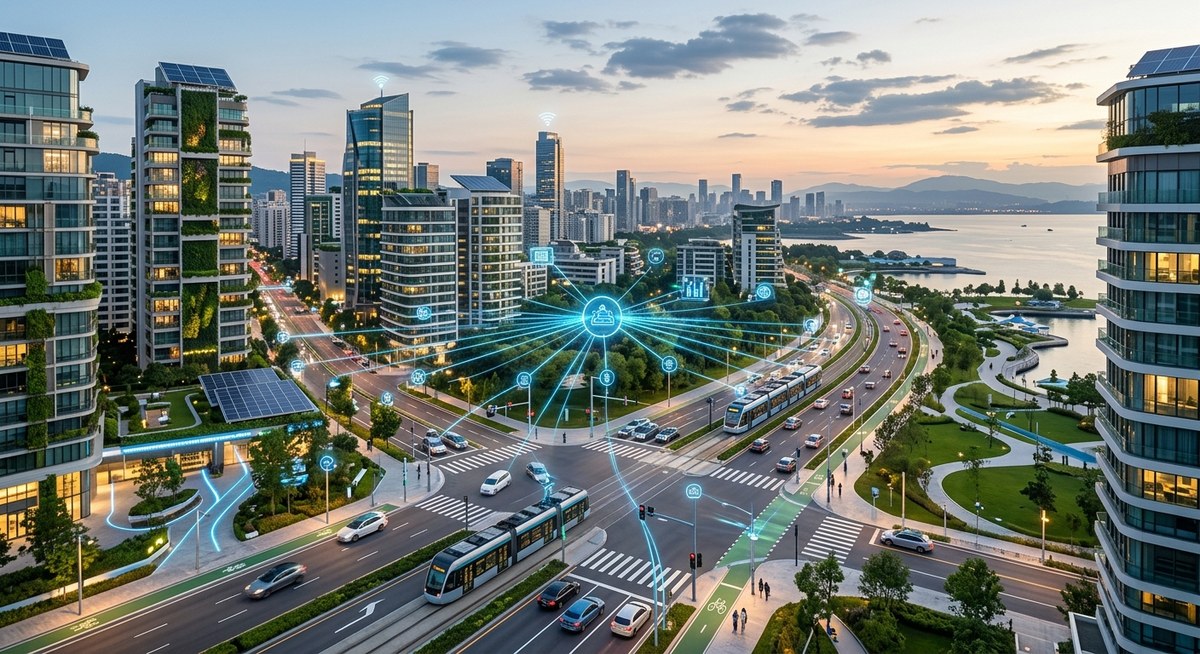
Urban areas are evolving rapidly. Cities face growing populations, climate challenges, and the need for smarter resource management. Integrating smart technologies into urban planning offers a path to create more sustainable, efficient, and livable cities. This approach combines data, connectivity, and innovative solutions to address urban challenges head-on. It is shaping a future where cities are not just places to live but ecosystems that adapt and thrive amid change.
Integrating smart technologies into urban planning transforms cities by enhancing sustainability, efficiency, and livability. By leveraging data, IoT, and AI, urban areas can better manage resources, reduce pollution, and improve quality of life for residents. This approach requires thoughtful implementation and collaboration across sectors to succeed in building smarter urban environments.
The role of data and connectivity in modern urban planning
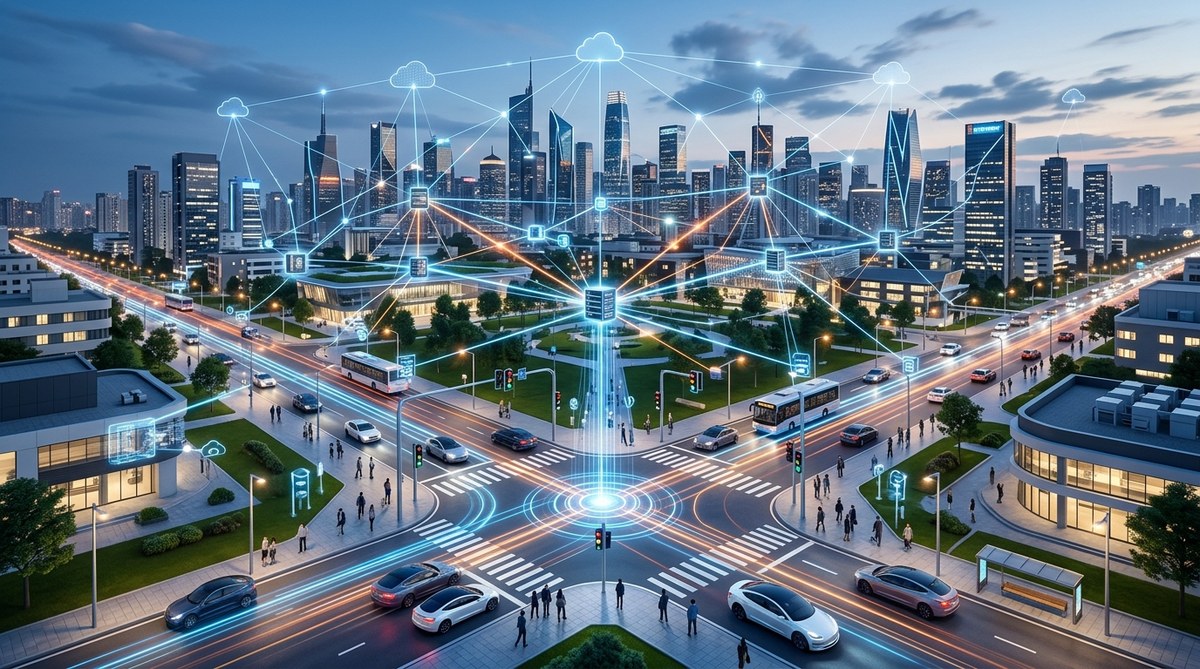
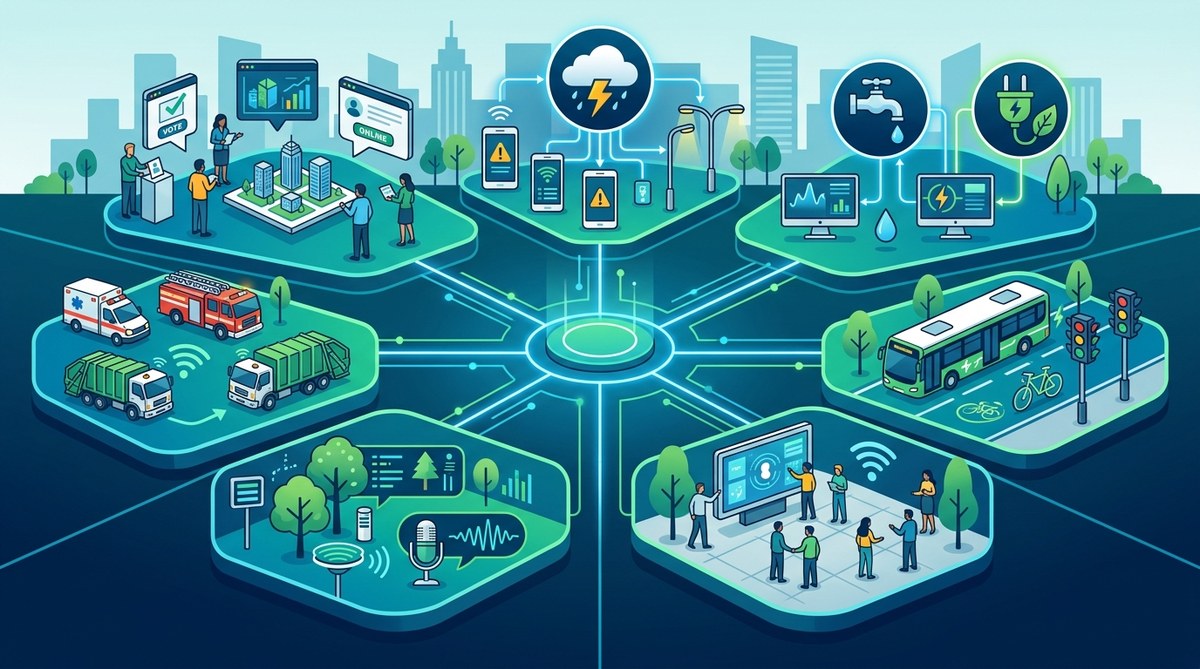
Smart cities depend heavily on data collection and connectivity. Sensors embedded in roads, buildings, and public spaces gather real-time information on traffic flow, air quality, energy use, and more. This data forms the backbone of smart urban planning. City officials can analyze this information to optimize traffic routes, reduce energy consumption, and improve emergency response systems.
For example, integrating Internet of Things (IoT) devices allows for dynamic street lighting that adjusts based on pedestrian presence or vehicle flow. Such systems not only save energy but also enhance safety. Similarly, predictive analytics can forecast infrastructure needs, preventing failures before they happen.
The key to success lies in developing a connected infrastructure that facilitates seamless data exchange. This involves deploying reliable broadband networks and adopting open data standards. Cities like Barcelona and Singapore showcase how well-implemented connectivity can transform urban management.
Practical steps for integrating smart technologies into urban planning
- Identify priority areas where technology can make the biggest impact. Focus on issues like traffic congestion, pollution, waste management, or public safety.
- Establish partnerships with tech developers and research institutions. Collaboration ensures access to innovative solutions and expertise.
- Deploy pilot projects to test new systems. Use these pilots to analyze performance and gather user feedback before scaling up.
Additional considerations:
- Invest in robust digital infrastructure.
- Train city staff in new technologies.
- Engage residents for feedback and participation.
By systematically approaching integration, cities can avoid common pitfalls such as poor coordination or technology mismatch.
Common techniques and mistakes in smart city initiatives
| Techniques | Mistakes to Avoid |
|---|---|
| IoT sensors for real-time data collection | Relying solely on technology without stakeholder engagement |
| Data analytics for predictive maintenance | Ignoring data privacy and security concerns |
| Open data platforms for transparency | Implementing solutions without understanding local context |
| Smart grids for energy efficiency | Overlooking maintenance and scalability needs |
“The success of smart urban planning hinges on a balanced approach that combines technology with community involvement and sound policy.” — urban planning expert Dr. Lisa Nguyen
Examples of successful smart city projects
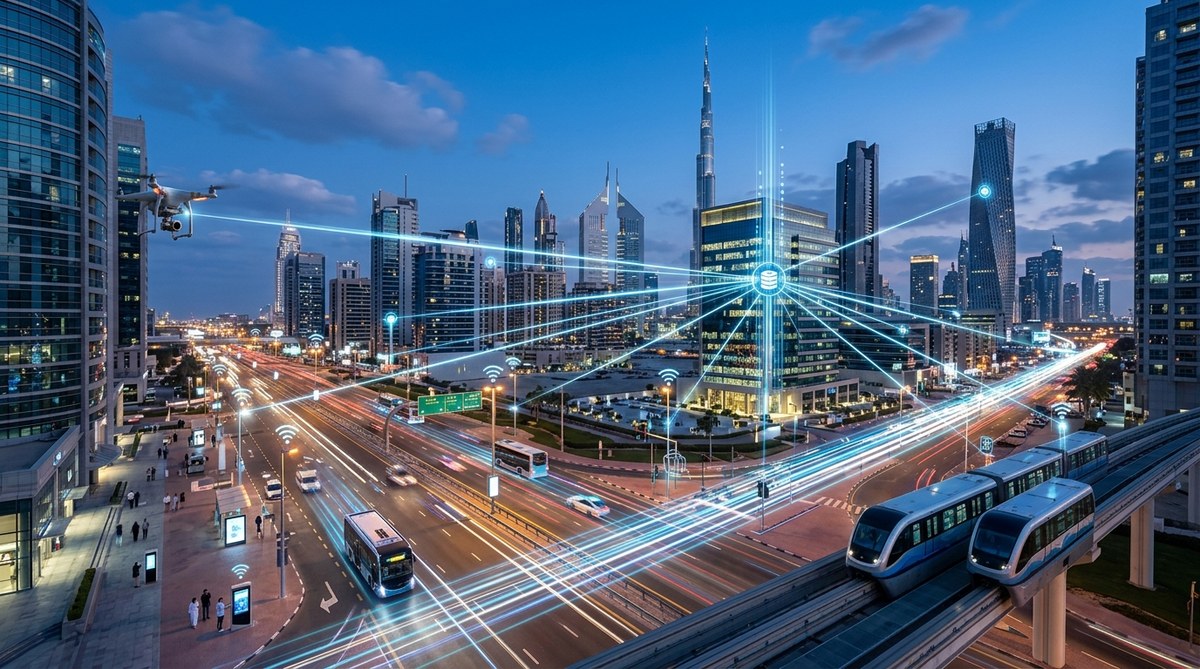
Many cities have already begun to harness smart technologies for better urban life. In Seoul, smart waste management systems reduce collection costs and improve cleanliness. In Dubai, AI-powered traffic management reduces congestion and pollution. These projects demonstrate how targeted tech deployment can address specific urban challenges effectively.
Notably, Helsinki’s open data initiatives foster innovation by allowing developers to create apps that improve transportation, public safety, and environmental sustainability. Such examples highlight the importance of openness and collaboration.
Future trends shaping smart urban planning
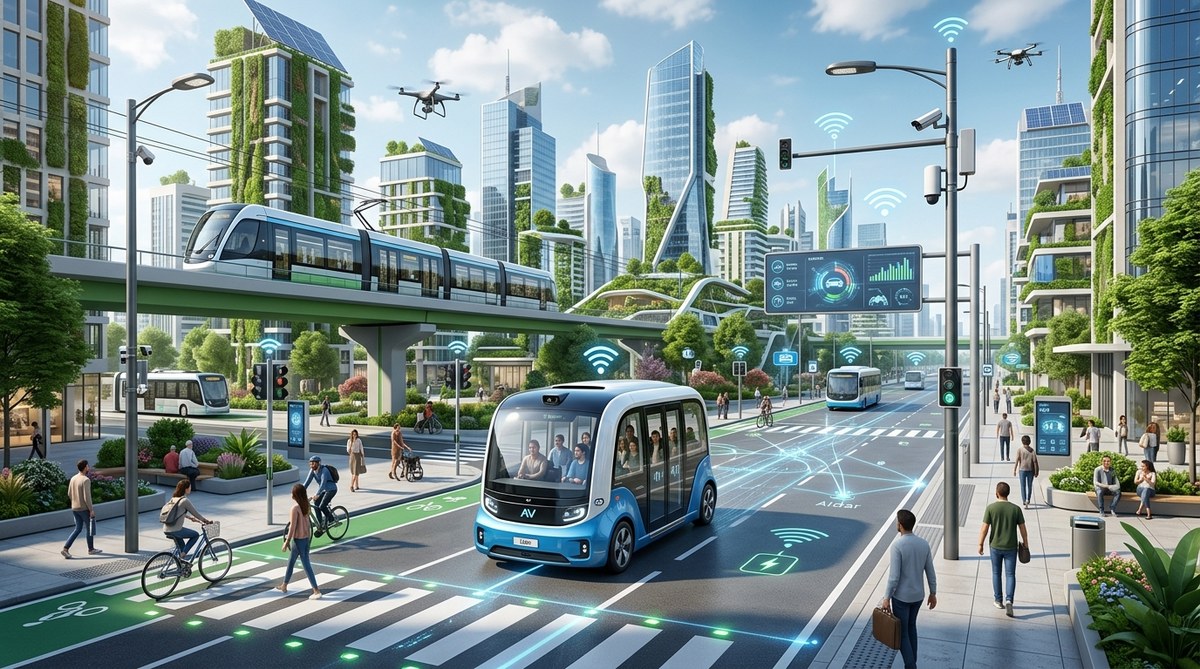
Looking ahead, technological advancements will deepen the integration of smart systems into city infrastructure. Artificial intelligence will enable more autonomous management of services. 5G networks will support faster data exchange, facilitating real-time decision-making.
Moreover, the rise of digital twins — virtual models of urban environments — will help planners simulate scenarios and optimize designs before implementation. These tools will make urban planning more responsive, adaptable, and precise.
Challenges to consider when integrating smart technologies
Despite the promising benefits, integrating smart solutions is not without hurdles:
– Privacy and security risks associated with large data collection
– High initial costs and ongoing maintenance
– Digital divide that can leave some residents behind
– Regulatory and policy barriers
To navigate these challenges, cities must develop comprehensive strategies that include stakeholder engagement, clear policies, and investment in cybersecurity.
How to foster a smart city mindset
Building a truly intelligent urban environment requires a shift in mindset. It involves:
– Encouraging cross-sector collaboration
– Promoting innovation and experimentation
– Prioritizing sustainability and social equity
– Ensuring transparency and public participation
Cities should view smart technology as an enabler for better quality of life, not just a technical upgrade. Engaging residents early and often ensures solutions meet community needs.
Final thoughts on shaping future urban landscapes
Integrating smart technologies into urban planning is no longer optional; it’s essential for resilient, sustainable cities. By using data and connectivity wisely, urban areas can adapt to challenges and create environments that people love to live in. The journey involves ongoing learning, collaboration, and thoughtful implementation.
Apply these principles to your city’s planning efforts. Start small with pilot projects, learn from successes and setbacks, and grow your smart city initiatives steadily. Together, we can build urban spaces that are smarter, greener, and more human-centered.
Moving toward smarter, more sustainable cities
Technologies alone won’t transform cities. It’s the thoughtful integration, community involvement, and continuous innovation that will shape the urban landscapes of tomorrow. Embrace the opportunities, address the challenges, and keep the focus on creating environments that serve everyone well. The future of urban living is bright when we work together to harness the power of smart technologies.

Leave a Reply