
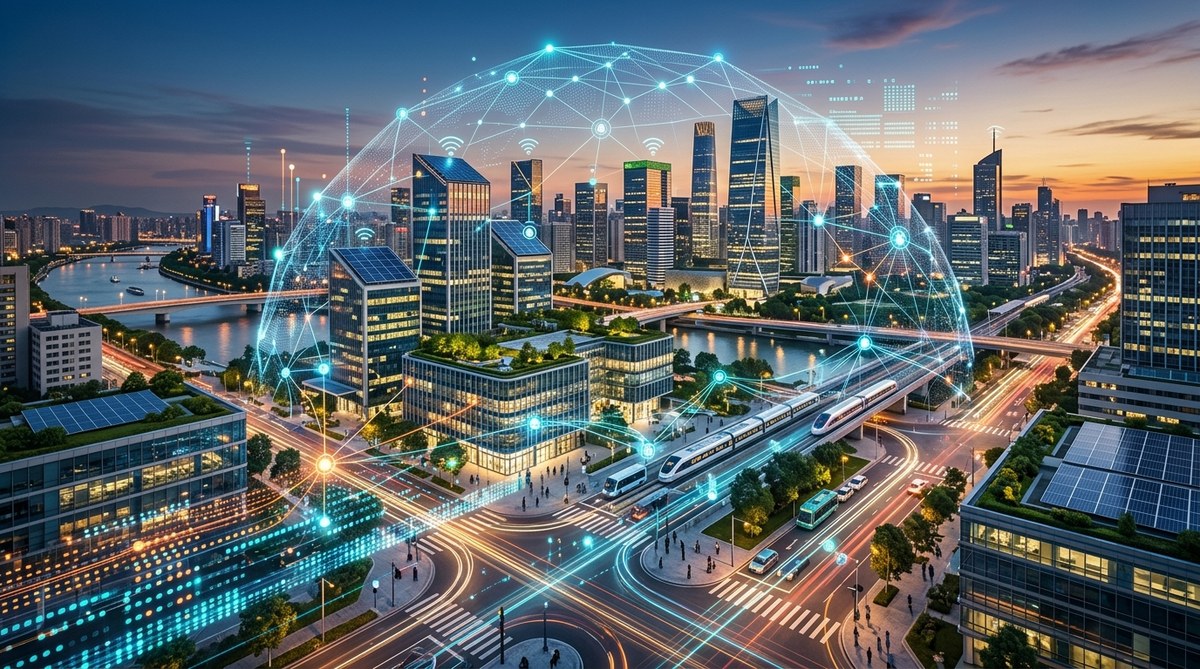
Urban areas are constantly evolving, facing growing challenges like traffic congestion, pollution, and aging infrastructure. To meet these demands, city leaders are turning to data-driven approaches that harness the power of information technology. This shift is revolutionizing how cities plan, operate, and serve their residents. By integrating data into infrastructure management, urban environments become more responsive, sustainable, and resilient.
Data-driven urban infrastructure uses real-time information and analytics to optimize city operations, improve services, and foster sustainable growth. It involves planning, technology deployment, and continuous monitoring to create smarter, more adaptable cities.
Understanding the foundation of data-driven urban infrastructure
Data-driven urban infrastructure is about using information collected through sensors, satellites, and digital systems to make smarter decisions. It transforms traditional urban planning by making it more precise, adaptive, and predictive. Instead of relying on static models or guesswork, city officials now have access to real-time data to guide their actions.
This approach helps identify issues before they escalate, allocate resources efficiently, and enhance the quality of life for residents. It also fosters innovation by enabling the integration of new technologies like artificial intelligence (AI), machine learning, and digital twins into city systems.
The benefits of harnessing data for city infrastructure
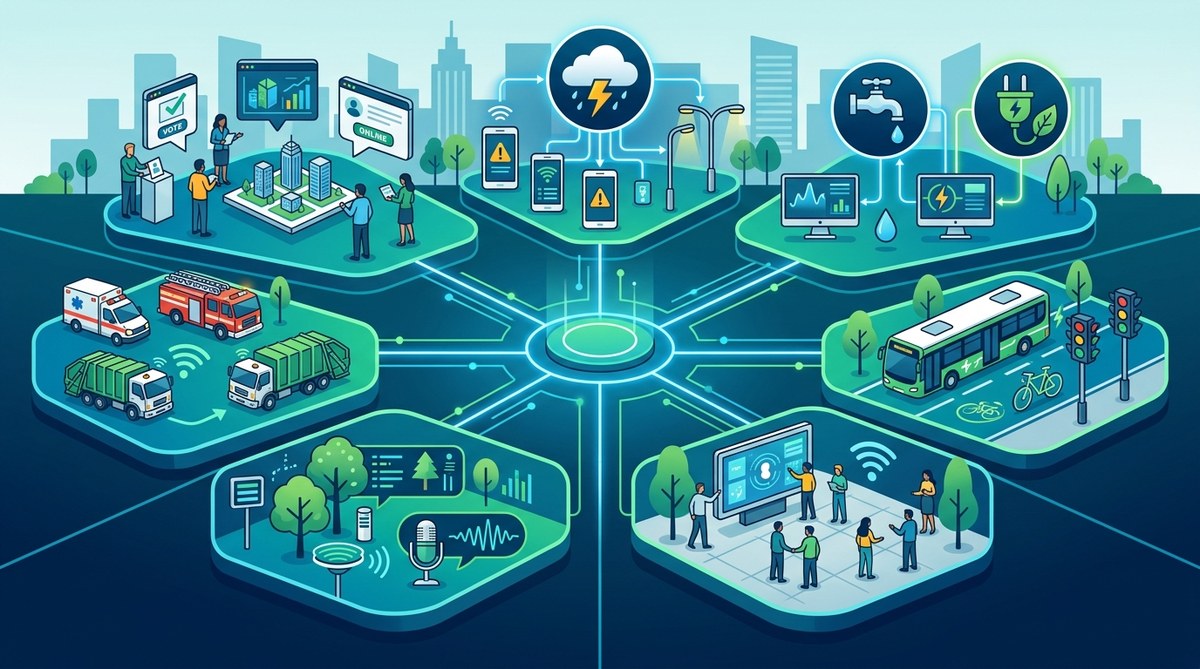
Using data to manage urban systems offers numerous advantages:
– Improved efficiency: Optimize traffic flow, energy use, and waste management.
– Enhanced resilience: Quickly respond to emergencies or infrastructure failures.
– Better planning: Make informed decisions based on accurate, real-time insights.
– Increased citizen engagement: Enable residents to participate via smart apps and open data portals.
– Sustainable growth: Reduce environmental impact through smarter resource management.
These benefits demonstrate how data-centric strategies can transform urban environments into vibrant, sustainable places to live and work.
Practical steps to implement data-driven urban infrastructure
Transforming a city through data involves a structured process. Here are three key steps to get started:
-
Assess and plan:
Begin with a comprehensive evaluation of existing infrastructure and data capabilities. Identify critical areas like transportation, water, and energy that can benefit from data insights. Set clear goals aligned with urban sustainability and resilience objectives. -
Deploy sensors and data collection tools:
Install IoT sensors on roads, bridges, utilities, and public spaces. Use satellite imagery and open data sources to enrich datasets. Ensure data privacy and security are prioritized from the outset. -
Analyze and act:
Leverage analytics platforms and AI to interpret data. Use insights to optimize operations, prioritize maintenance, and inform future infrastructure projects. Continuously monitor outcomes and adjust strategies accordingly.
By following these steps, cities can build a solid foundation for ongoing data-driven innovation.
Key techniques and common pitfalls in data-driven infrastructure
Understanding the right techniques and avoiding mistakes is crucial. Here is a comparison table outlining approaches and typical errors:
| Technique | What it involves | Common Mistakes |
|---|---|---|
| Real-time sensor networks | Continuous data collection from infrastructure | Overlooking data security risks |
| Data analytics platforms | Processing large datasets for insights | Ignoring data quality issues |
| Predictive modeling | Anticipating future needs and failures | Relying solely on historical data without validation |
| Digital twins | Virtual replicas of city systems for simulation | Underestimating the complexity of integration |
“Data must be accurate and timely to inform meaningful decisions. Without proper validation and security, even the best technology can lead to costly mistakes,” advises urban data expert Dr. Jane Smith.
Technologies shaping the future of urban infrastructure
Emerging technologies are accelerating the adoption of data-driven city management:
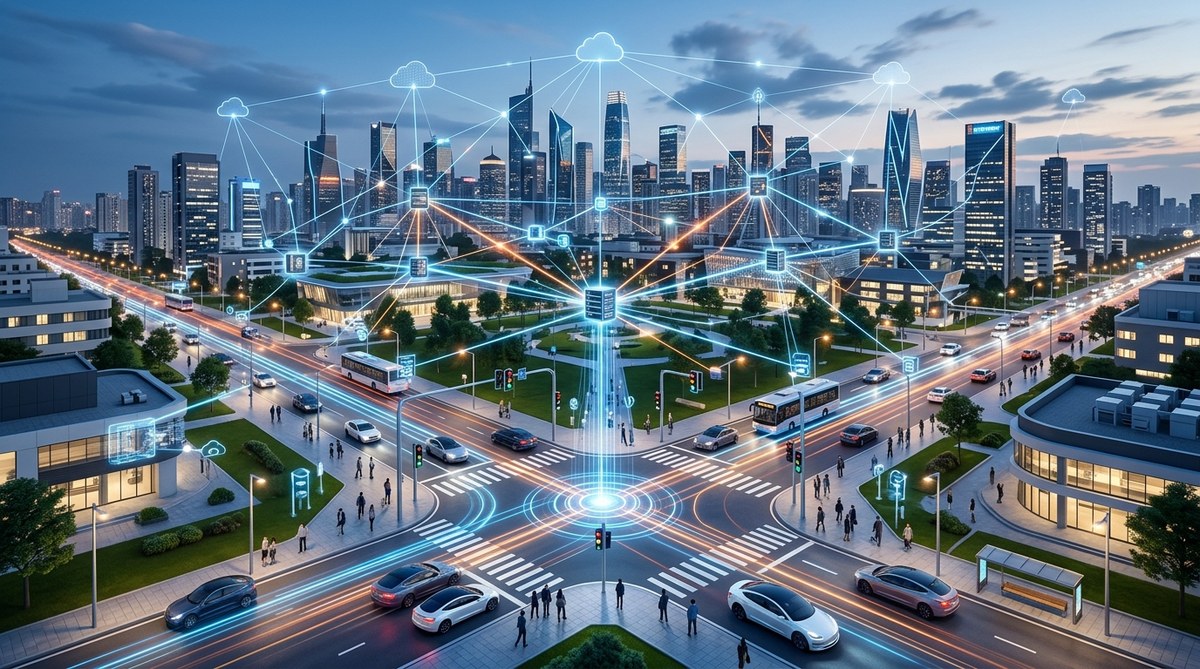
– Internet of Things (IoT): Sensors and devices collect real-time data from infrastructure and environments.
– Artificial intelligence: AI algorithms analyze data, identify patterns, and recommend actions.
– Digital twins: Virtual models simulate city systems, enabling scenario testing and proactive planning.
– Cloud computing: Facilitates scalable data storage and processing, making analytics accessible.
These tools enable cities to become more adaptable and proactive in response to changing conditions.
Addressing challenges and ethical considerations
While the benefits are clear, implementing data-driven infrastructure also poses challenges:
– Data privacy: Protecting residents’ information from misuse.
– Security risks: Safeguarding infrastructure from cyber threats.
– Digital divide: Ensuring all citizens benefit from smart city initiatives.
– Data governance: Establishing clear policies for data collection, storage, and sharing.
Balancing innovation with ethical responsibility is essential for sustainable progress.
The road ahead for urban data integration
Looking forward, cities will increasingly adopt integrated digital platforms that combine AI, 5G, and big data. These advancements will enable:
– Seamless data sharing across agencies
– Enhanced predictive capabilities
– More citizen-centric services
– Greater resilience against climate change and other risks
Continuous investment in infrastructure, talent, and governance will be key to unlocking the full potential of data-driven urban environments.
How to foster a data-driven city ecosystem
Building a successful data-driven urban infrastructure requires collaboration:
– Engage stakeholders: Governments, tech companies, residents, and academia.
– Invest in skills: Train professionals in data science, urban planning, and cybersecurity.
– Promote open data: Share information openly to encourage innovation and transparency.
– Pilot and iterate: Start with small projects, learn, and scale successful solutions.
This collaborative approach ensures that data-driven strategies address real needs and foster inclusive growth.
Final thoughts on transforming cities with data
Implementing data-driven urban infrastructure is more than a technological upgrade. It’s a shift towards smarter, more sustainable, and more resilient cities. By starting with clear goals, leveraging the right tools, and maintaining ethical standards, city leaders can create environments that serve their residents better today and adapt to future challenges.
Applying these principles transforms urban spaces into hubs of innovation and sustainability. The journey may be complex, but the rewards are worth the effort. Cities that embrace data-driven approaches will not only improve efficiency but also enhance the quality of life for everyone who calls them home.

Leave a Reply